Vint Cerf, 'father of the Internet', retires from Google after more than two decades

🕒 Published on Zendoric: July 3, 2026 · 01:20
✨ AI-generated · how it's made
Vinton Cerf, recognized as one of the architects of the TCP/IP protocols that shaped the Internet, will leave his role as Google's chief Internet evangelist next week, as the company itself confirmed. Cerf, 83, has held that position since 2005, accumulating more than twenty years at the company.
📚 Go deeper
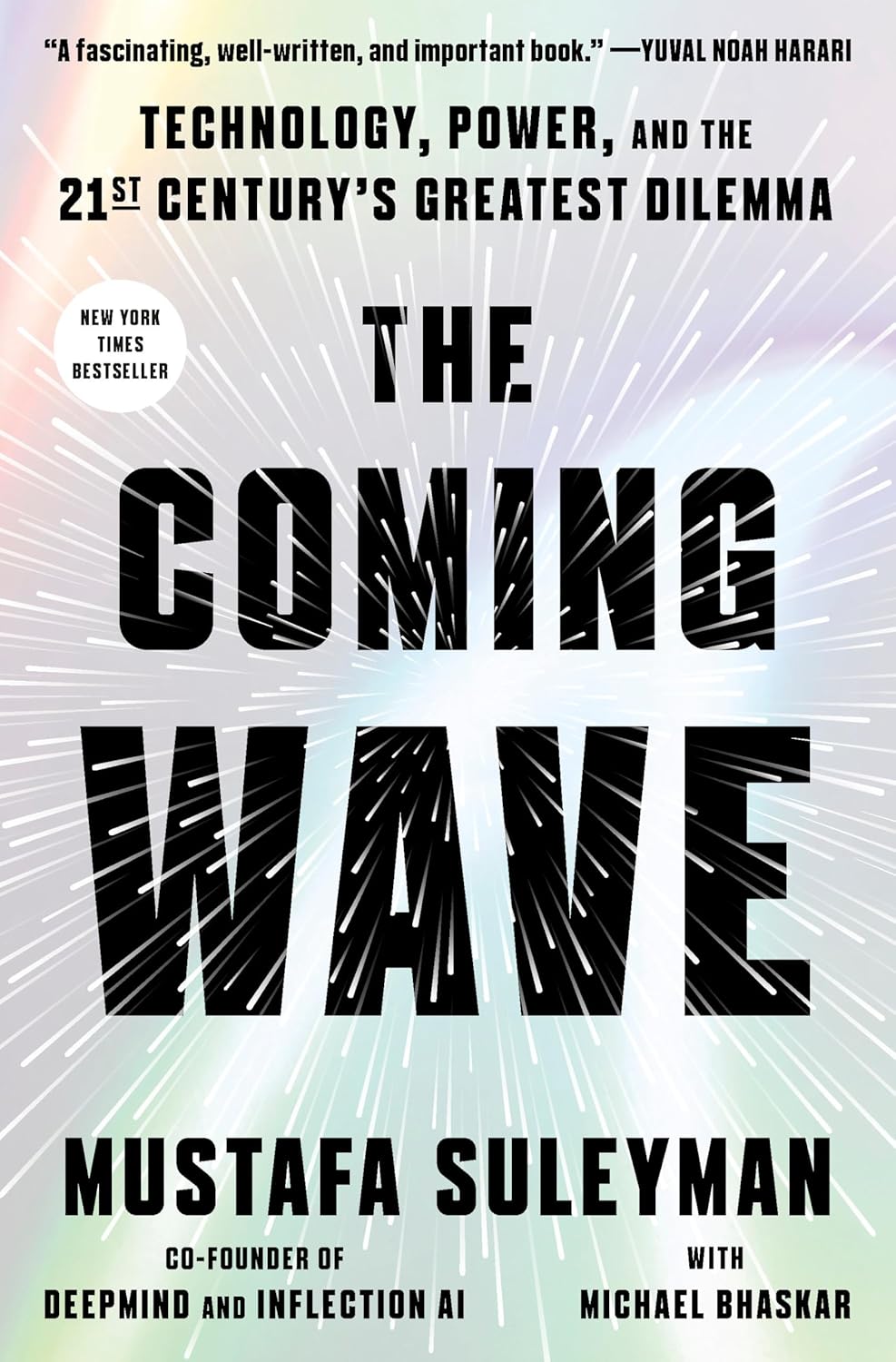
DeepMind co-founder on the dilemma of containing technologies that do not want to be contained.
As an Amazon Associate, Zendoric earns from qualifying purchases; the price does not change for you. · all our recommended books →
Vinton Cerf, recognized as one of the architects of the TCP/IP protocols that shaped the Internet, will step down from his role as Chief Internet Evangelist at Google next week, as the company itself confirmed. Cerf, 83, has held that post since 2005, accumulating more than twenty years at the company. Alongside Robert Kahn, he is credited with designing the basic rules that allow different computer networks to communicate with one another, work begun in the 1970s and recognized with the Turing Award, the Presidential Medal of Freedom and several honorary doctorates.
The news came to light during a videoconference appearance by Cerf at the Open Frontier conference, organized by the Laude Institute, where he was honored by Dave Patterson, the Berkeley professor known for his work on RISC processor architectures. Patterson joked about Cerf's long tenure at Google and asked the other attendees for a round of applause for him.
Cerf shared the panel with other leading figures in open-source software, such as François Chollet (creator of Keras and co-founder of Ndea), John Ousterhout (creator of the Tcl language) and Matei Zaharia (co-founder of Databricks). The discussion centered on the challenges of building open systems that endure over time, a topic that takes on particular relevance as the AI industry wrestles with the concentration of power in a few labs versus the possibility of a more open and decentralized infrastructure, in the style of the original Internet.
In that context, Cerf offered a notable prediction: the rise of AI agents—systems capable of acting autonomously and coordinating with one another—will force the tech industry to adopt standardized protocols, similar to what happened with the first Internet protocols. As he explained, the agentic AI model, with multiple agents from multiple sources interacting with one another, will force interoperability, standardization and composability of systems.
Unlike other panelists, who felt that natural language might suffice for communication between AI agents, Cerf was skeptical: he argued that formal, precise standards will be needed, since natural language carries ambiguities that could lead to serious misunderstandings between autonomous agents. He compared the risk to the classic game of 'telephone,' in which a message is distorted as it passes from person to person, and warned that imagining several AI agents communicating this way is, in his words, terrifying.
If Cerf's prediction holds, the companies that manage to define those interoperability standards first could gain a disproportionate influence over how the so-called agentic economy operates in the future, in a phenomenon reminiscent of the 'protocol wars' of the early days of the Internet.
The article closes on a lighter note: Patterson recalled how he met Cerf as a graduate student in the 1970s, highlighting his elegant style and his fondness for three-piece suits, something Cerf himself confirmed amid laughter, explaining that he always wanted to set himself apart by dressing differently from his colleagues.
📚 Go deeper
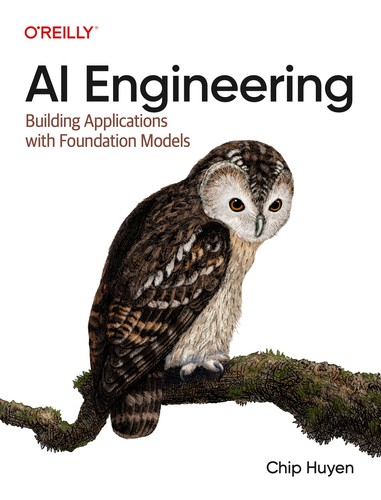
The reference manual for building products on top of AI models: prompts, RAG, fine-tuning, agents, evaluation and deployment.
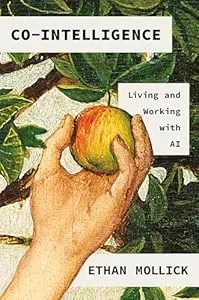
The best starting book if you're not technical: a Wharton professor explains how to work WITH AI — when to delegate, when to supervise, when to keep i
As an Amazon Associate, Zendoric earns from qualifying purchases; the price does not change for you. · all our recommended books →
🔗 Related on Zendoric
- Vint Cerf backs an open standard to identify AI agents on the internet · 2026-07-18
- Meta pulls its controversial Instagram AI feature that let users generate images from other people's public accounts · 2026-07-14
- Meta sued for letting a performance algorithm decide who gets fired while on medical leave · 2026-07-15