Goa deploys AI traffic cameras: 35,000 violations in 48 hours and only 17 fines, on purpose
🕒 Published on Zendoric: July 18, 2026 · 01:58
✨ AI-generated · how it's made
Goa's new smart surveillance system detected tens of thousands of traffic violations on its first day, but the government chose to penalize almost none. It is a revealing experiment in how to deploy algorithmic surveillance without the population rejecting it outright.
📚 Go deeper

The definitive piece of investigative journalism on OpenAI: 260+ interviews, the clash between safety and speed, and the attempted firing of Sam Altma
As an Amazon Associate, Zendoric earns from qualifying purchases; the price does not change for you. · all our recommended books →
By The Goan · July 17, 2026.
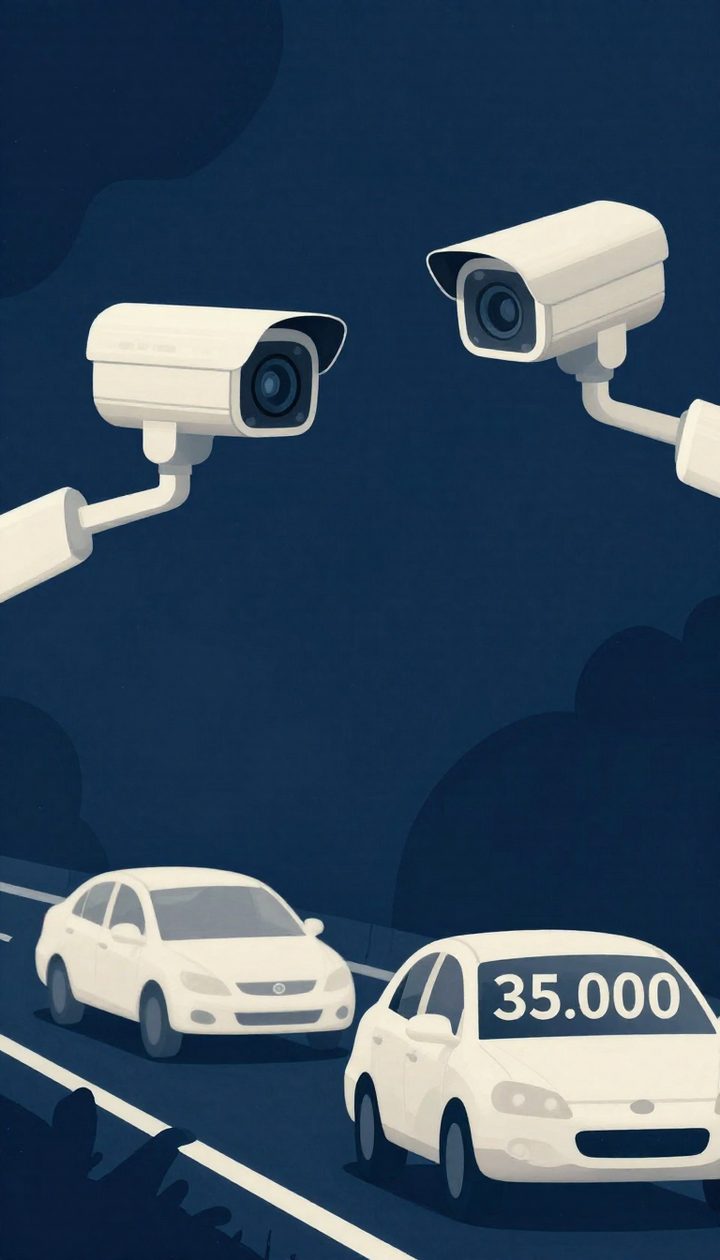
The Indian state of Goa activated its Intelligent Traffic Management System (ITMS) on July 15, a network of AI-powered cameras installed at 26 points across the state. The result of its first day of operation is striking: 23,255 violations detected automatically —helmets, seatbelts, mobile phone use while driving, improper parking— and, in the first 48 hours, the total figure rose to between 30,000 and 35,000. Faced with that volume, the Transport Directorate issued only 17 fines ('challans') and decided to grant a one-month grace period to drivers with expired insurance before applying penalties for that specific reason. All other violations continue to be processed and notified by SMS to the registered mobile number of the vehicle's owner.
The contrast between 35,000 detections and 17 penalties is not a system failure: it is a deliberate decision. Transport Director Arvind Kutkar made it explicit, noting that the goal is not to maximize fines but to improve compliance with the rules. It is an unusual deployment strategy in algorithmic surveillance: switching on full detection capacity from day one, but introducing punitive capacity gradually, giving the population time to adapt before the full weight of the law comes down on them. The initiative also falls within the goal —set out by retired Supreme Court justice Abhay Manohar Sapre, now head of the national road safety committee— of reducing traffic accident deaths to zero, with Goa a candidate to be the first state in the country to achieve it.
This case matters beyond Goa because it foreshadows a pattern we will see repeated as AI becomes embedded in public control infrastructure: detection technology is already cheap, precise and scalable —any intersection can become a point of total surveillance— but the ability to apply it all at once with its full punitive force generates social friction and political backlash. Goa's response —monitor everything, penalize little at first, warn by SMS and grant compliance windows— is at heart an exercise in governance: using the informational shock ("we are watching you") as a lever for behavioral change rather than as a revenue-collecting machine. It is a lesson applicable to any deployment of compliance-enforcing AI, from taxation to workplace safety: the social acceptance of algorithmic surveillance depends less on its technical precision than on how the transition to its full application is managed.
In the short term there are real tensions that should not be downplayed: the camera infrastructure that today identifies a badly worn helmet is, technically, the same one that can track in detail the movements of any vehicle across the territory, and the line between road safety and mass surveillance of citizens is finer than the announcement suggests; the very fact that 23,000 violations are detected in a single day in a small state gives an idea of the scale of everyday non-compliance that society had normalized until now, precisely because there was no capacity to monitor it. But the stated goal —zero traffic accident deaths— points to a terrain where Zendoric's underlying thesis holds strongly: traffic accidents kill more than a million people a year worldwide, and they are, in essence, a problem of human behavior and imperfect enforcement of known rules. There, AI does not promise a miracle drug or a cure for a disease, but it does offer something astonishingly similar in its logic: systematic and scalable prevention of a preventable cause of death, replacing the random, human application of the law with constant surveillance that, well governed —with transparency, reasonable deadlines and a focus on safety rather than revenue—, can become a silent force toward that abundance of health and years of life we champion as a long-term horizon.
📚 Go deeper

AI as the latest chapter in the history of information networks, from gossip to the printing press to the algorithm.
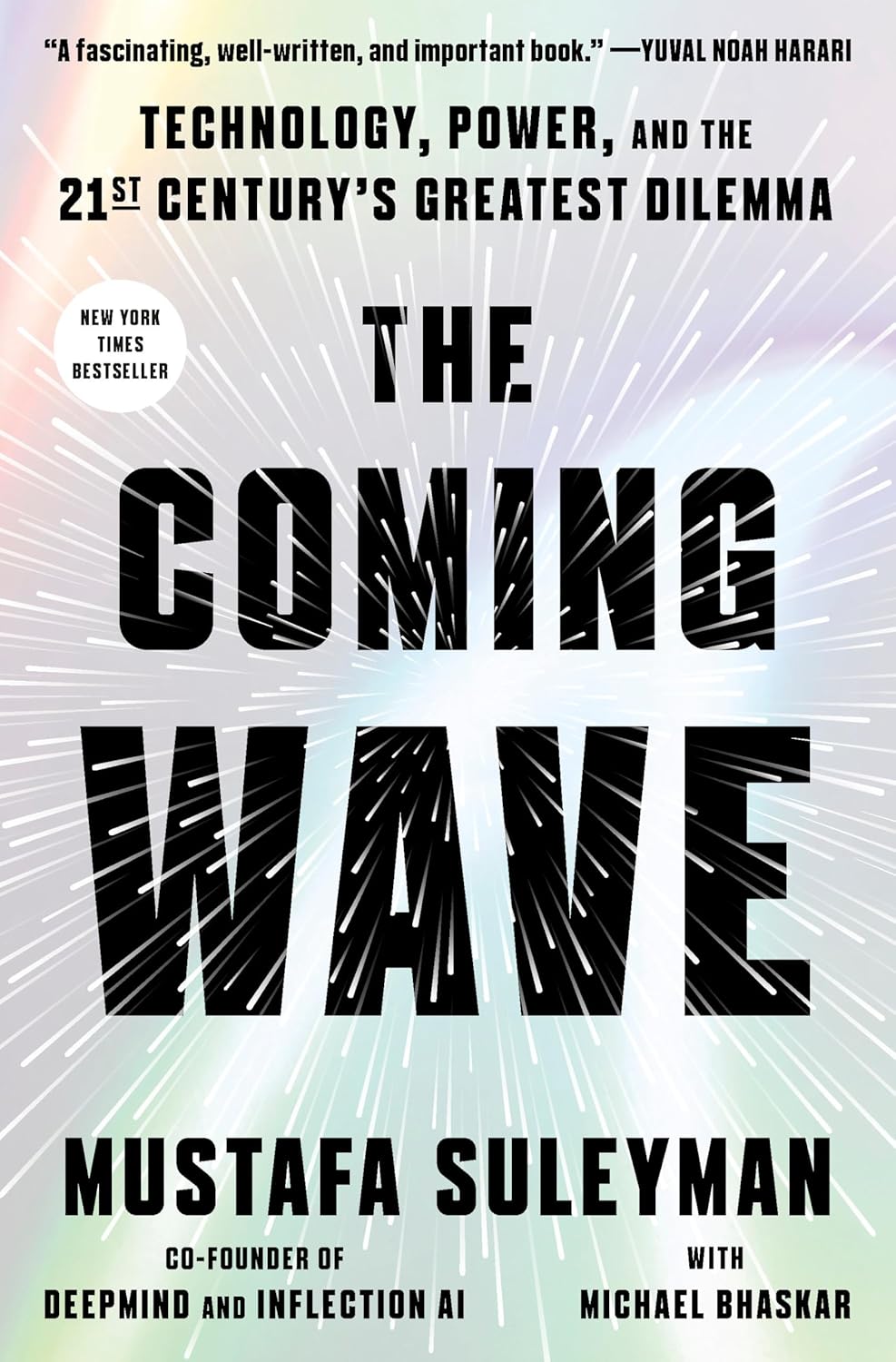
DeepMind co-founder on the dilemma of containing technologies that do not want to be contained.
As an Amazon Associate, Zendoric earns from qualifying purchases; the price does not change for you. · all our recommended books →
🔗 Related on Zendoric
- Dhaka automates traffic fines with AI: real efficiency, but 38,000 unresolved penalties reveal the bottleneck isn't the camera · 2026-07-01
- Kerala deploys 625 AI cameras for traffic: the price of safety is total surveillance · 2026-07-06
- AI Traffic Cameras That Watch More Than Traffic: When Convenience Quietly Becomes Surveillance · 2026-06-28