AI Traffic Cameras That Watch More Than Traffic: When Convenience Quietly Becomes Surveillance

🕒 Published on Zendoric: June 28, 2026 · 09:00
✨ AI-generated · how it's made
A resident discovered her town's new AI-powered traffic cameras track far more than speeding cars. The thesis: the danger isn't the technology itself but deploying it without telling people what it actually does.
📚 Go deeper

The reference manual for building products on top of AI models: prompts, RAG, fine-tuning, agents, evaluation and deployment.
As an Amazon Associate, Zendoric earns from qualifying purchases; the price does not change for you. · all our recommended books →
The account describes a woman whose town installed AI-powered traffic cameras, and who then realized the systems were tracking more than traffic, a discovery she found "so much creepier" than expected. The specifics of what the cameras capture come from her experience as reported, and we relay them as such.
The context is a familiar pattern: capable sensing technology arrives wrapped in a benign justification, safer streets, smoother traffic, and the broader tracking capabilities ride along, often unmentioned at the public meeting where the budget was approved. Modern camera systems can read plates, log movement patterns, and link them over time. The hardware is the same; only the software ambition differs.
The impact is a quiet erosion of the default assumption that moving through your own town is anonymous. When residents learn the scope only by accident, the problem is not just privacy but consent and trust in local institutions.
Our reading: this is the transition friction we keep flagging. The same vision AI that could cut road deaths can also build a movement-tracking grid, and the deciding variable is governance, not capability. We are optimistic that AI will make infrastructure dramatically safer and smarter over the long run. We are clear-eyed that getting there requires disclosure, retention limits, and public oversight baked in before deployment, not bolted on after a resident sounds the alarm. "Creepier than expected" is what it feels like when the rules lag the rollout. The fix is to make the rules arrive first.
📚 Go deeper
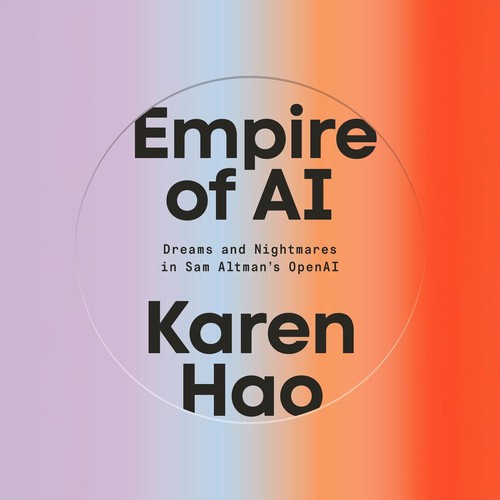
The definitive piece of investigative journalism on OpenAI: 260+ interviews, the clash between safety and speed, and the attempted firing of Sam Altma
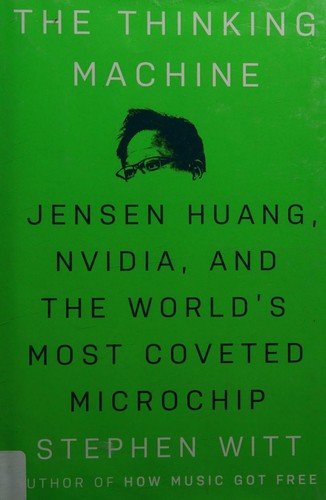
The story of NVIDIA and Jensen Huang: how a video-game card company ended up making the most coveted resource on the planet.
As an Amazon Associate, Zendoric earns from qualifying purchases; the price does not change for you. · all our recommended books →
🔗 Related on Zendoric