Xbox lays off en masse and points to AI: workers at id Software and Bethesda tell the other side

🕒 Published on Zendoric: July 18, 2026 · 01:58
✨ AI-generated · how it's made
4,800 layoffs at Xbox, half of id Software's staff wiped out and a year after another purge of 9,100 jobs: three Microsoft workers, affiliated with the CWA, break the corporate silence and point to more than just AI behind the axe.
📚 Go deeper
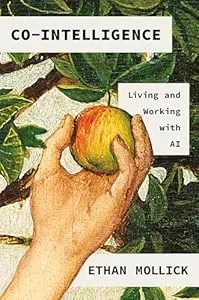
The best starting book if you're not technical: a Wharton professor explains how to work WITH AI — when to delegate, when to supervise, when to keep i
As an Amazon Associate, Zendoric earns from qualifying purchases; the price does not change for you. · all our recommended books →
By Blood in the Machine (Brian Merchant) · July 17, 2026.
On July 6 Microsoft announced the layoff of 4,800 employees, concentrated in its Xbox gaming division. It is almost the exact anniversary of another round of cuts of 9,100 jobs a year ago. Among the casualties of this round: half the staff of id Software, the legendary studio behind Doom, Wolfenstein and Quake, acquired by Microsoft in 2021. Journalist Brian Merchant, in his newsletter/podcast Blood in the Machine, has interviewed three Microsoft workers—Morgan Goin (level designer at ZeniMax Online Studios, Elder Scrolls), Autumn Mitchell (senior QA tester at Bethesda, Fallout) and Chris Hays (lead services programmer at id Software)—all affiliated with Communication Workers of America (CWA), which has responded by organizing protests with hundreds of attendees and filing a formal unfair labor practice complaint against Microsoft. A larger union event is coming in August, according to Merchant himself.
The fact that weighs most here is not just the figure, but the pattern: mass layoff, brief corporate memo, some generic mention of AI as justification, and silence about what happens to the people and the half-finished projects. The workers who speak in this report question precisely that convenient narrative. The acquisition of Activision Blizzard for nearly $69 billion in 2023 left Microsoft with an oversized portfolio of studios and an integration debt that has to be amortized somehow; attributing the cuts to the efficiency brought by generative AI is a far more comfortable explanation to communicate to investors than acknowledging that it is, at bottom, classic post-merger consolidation. It is worth distinguishing the two things: one thing is that AI is changing what profiles a studio needs (less manual quality control, less routine support), and quite another is using it as a rhetorical umbrella for cost-cutting decisions that had already been made for financial reasons.
That said, it would be equally dishonest to downplay the real component of disruption. QA testing, services support and certain level-design tasks are indeed among the functions most exposed to AI-assisted automation in the video game sector, a pattern that fits what we have already documented in other sectors: routine and back-office work is the first to fall, while creative judgment and artistic direction hold up somewhat longer. What is distinctive about the Xbox case is that it strikes studios with their own identity and legacy—id Software has spent thirty years defining a genre—within a corporate machinery that decides in Redmond, not in the studios. That mismatch between who creates the cultural value and who controls the decision to cut is, at bottom, the same problem of power concentration we have been flagging in the tech industry in general: the fewer hands control the infrastructure and the capital, the more silent and unilateral decisions that affect thousands of lives can be.
Our reading: the fact that workers at prestigious studios organize into unions—protests, formal complaints, a video game union movement that has been gaining traction in the U.S. for several years now—is a rational and probably increasingly frequent response as AI becomes the default explanation for any cut, whether or not it is actually used. In the short term, this will remain the case: more mergers, more post-acquisition "synergies," more press releases that mention AI without detailing how it translates into real productivity. We hold that in the long term the abundance AI can bring—more resources, more time for the creative work that truly matters—is attainable, but only if the transition is managed with the cards face up: separating which cuts respond to merger debt and which to genuine automation, and giving workers a real voice in that distinction. Until that happens, stories like id Software's will remain the most visible symptom of an industry that uses the word AI to explain decisions that were actually cooked up in a financial spreadsheet.
📚 Go deeper
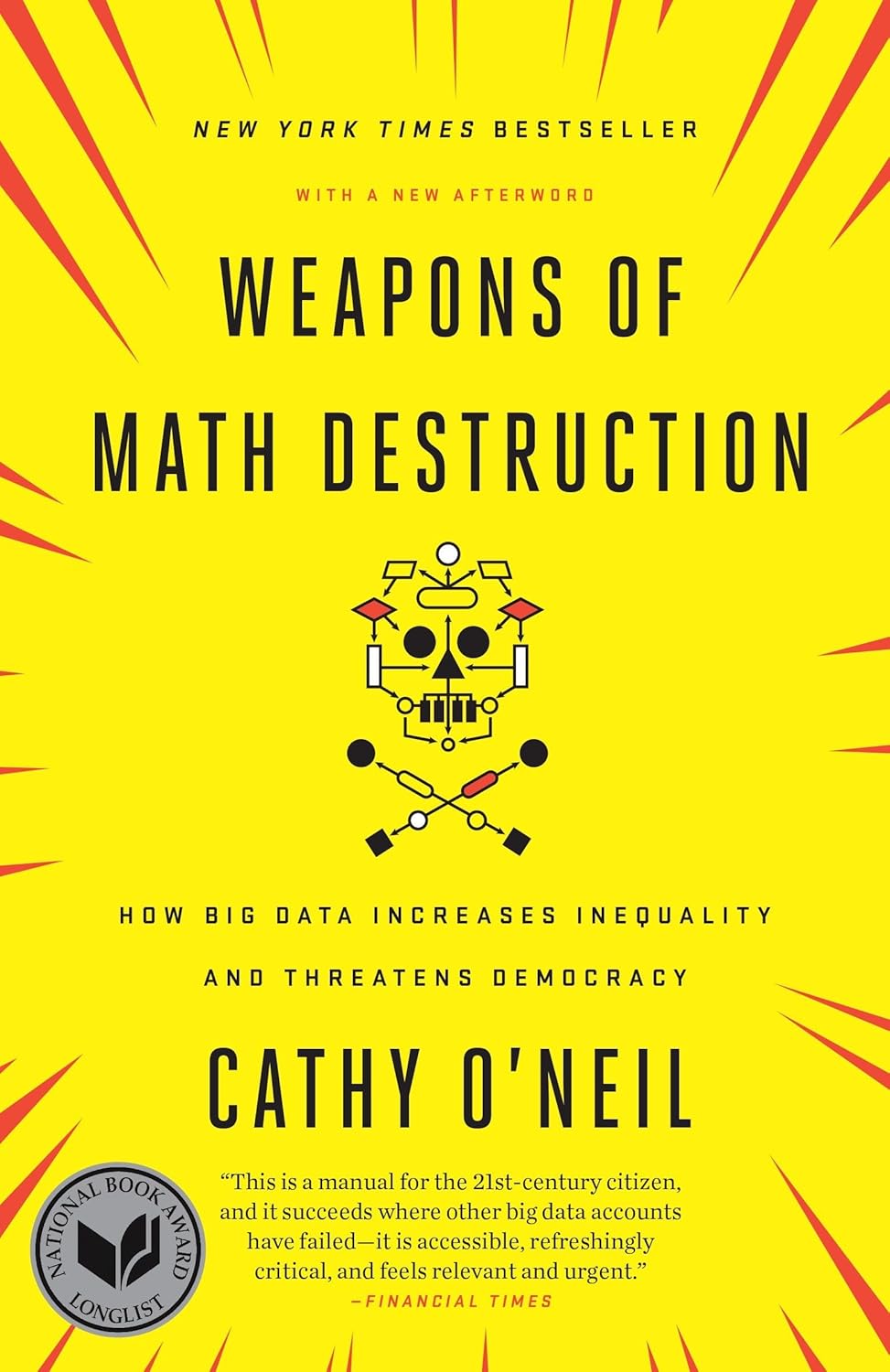
How opaque algorithms decide who gets credit, a job or parole — and why they tend to punish the same people.

The reference manual for building products on top of AI models: prompts, RAG, fine-tuning, agents, evaluation and deployment.
As an Amazon Associate, Zendoric earns from qualifying purchases; the price does not change for you. · all our recommended books →
🔗 Related on Zendoric
- Microsoft's 4,800 Cuts Confirm the Pattern: AI Capex Is Rewriting Corporate Headcount · 2026-07-07
- AI layoffs weren't strategy, they were haste: half of those companies are already rehiring at a higher cost · 2026-07-17
- Rock Hill takes on AI, social media and enrollment in one package: school governance gets professional · 2026-06-24