When generative AI becomes a weapon against minors: a case that demands a legal response, not just a technological one

🕒 Published on Zendoric: July 18, 2026 · 01:58
✨ AI-generated · how it's made
A man has been charged with using artificial intelligence to generate child sexual abuse images, prompting an alert to families in the community, according to WPLG Local 10. The case illustrates the darker, more urgent side of accessible generative AI.
📚 Go deeper

The definitive piece of investigative journalism on OpenAI: 260+ interviews, the clash between safety and speed, and the attempted firing of Sam Altma
As an Amazon Associate, Zendoric earns from qualifying purchases; the price does not change for you. · all our recommended books →
By WPLG Local 10 · July 17, 2026. A man has been charged with creating child sexual abuse images generated using artificial intelligence, an event that led authorities or the network itself to issue an alert directed at parents in the area. The material available on this case is limited —it comes from a local newscast's video coverage— so we do not go into details about the identity of the accused, the exact method used or the status of the judicial proceedings; any specifics regarding guilt fall to the ongoing investigation, and that is how it should be understood: as an accusation, not as a judicially proven fact.
What does merit comment is the underlying phenomenon. The ability of generative image models to produce photorealistic content has also made the creation of child sexual abuse material (CSAM) cheaper and more democratized, including synthetic images of minors who never existed or manipulations of real photos. In the United States, federal law already treats this type of artificially generated content as an offense comparable to traditional CSAM, and several states have strengthened their own legal frameworks in recent years precisely to close the gap left by AI tools accessible to the public.
This is, bluntly, the terrain where technological optimism must give way to the most uncomfortable honesty: the same accessibility that allows anyone to generate an image with a simple prompt is what enables a malicious actor to produce child exploitation material without real victims visible at the moment of creation, which complicates its detection and prosecution. Image-generation platforms have added filters, watermarks and content classifiers, but the gap between what corporate safety blocks and what a local or modified model allows remains real, and cases like this one —however sparse the report— are a reminder that this gap is not theoretical.
Our reading is that events of this kind should not push us toward generalized catastrophism about AI, but they do demand something very concrete: sustained investment in forensic detection tools (that distinguish synthetic images from real ones, and that trace the origin of the model used), cooperation between platforms, law enforcement and prosecutors, and legal frameworks that update at the pace of generative technology instead of always lagging a step behind. The abundance and radical improvement that AI may bring in the long term do not exempt us from firmly governing its most harmful uses today; on the contrary, the long-term social legitimacy of the technology depends on these abuses being prosecuted without ambiguity from now on.
📚 Go deeper
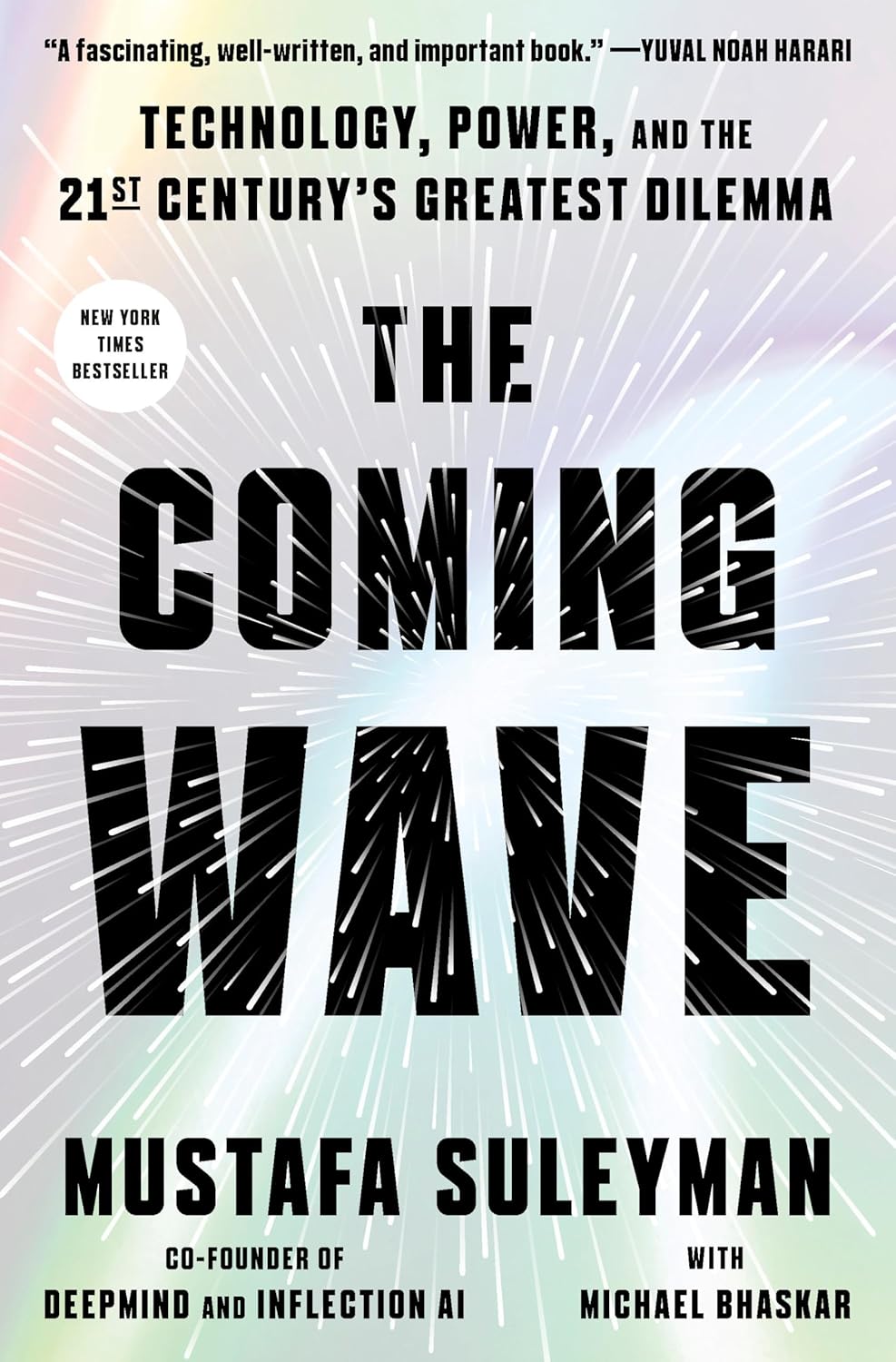
DeepMind co-founder on the dilemma of containing technologies that do not want to be contained.

The best starting book if you're not technical: a Wharton professor explains how to work WITH AI — when to delegate, when to supervise, when to keep i
As an Amazon Associate, Zendoric earns from qualifying purchases; the price does not change for you. · all our recommended books →
🔗 Related on Zendoric
- AI-generated CSAM at an Illinois school: the hardest abuse to detect no longer needs a hidden camera · 2026-07-04
- An arrest in Louisiana over AI and child abuse exposes the legal void around synthetic imagery · 2026-07-10
- Utah AI company executive arrested for allegedly generating child sexual abuse images · 2026-07-24