Who signs the idea? UAM raises the authorship debate the creative industry can't postpone
🕒 Published on Zendoric: July 17, 2026 · 00:24
At a colloquium at the Cuajimalpa unit, UAM academics discussed what remains of human authorship when generative AI intervenes in scripts, texts and teaching materials. The debate is not against technology, but about how to prevent it from diluting the responsibility of those who research, teach or create.
📚 Go deeper
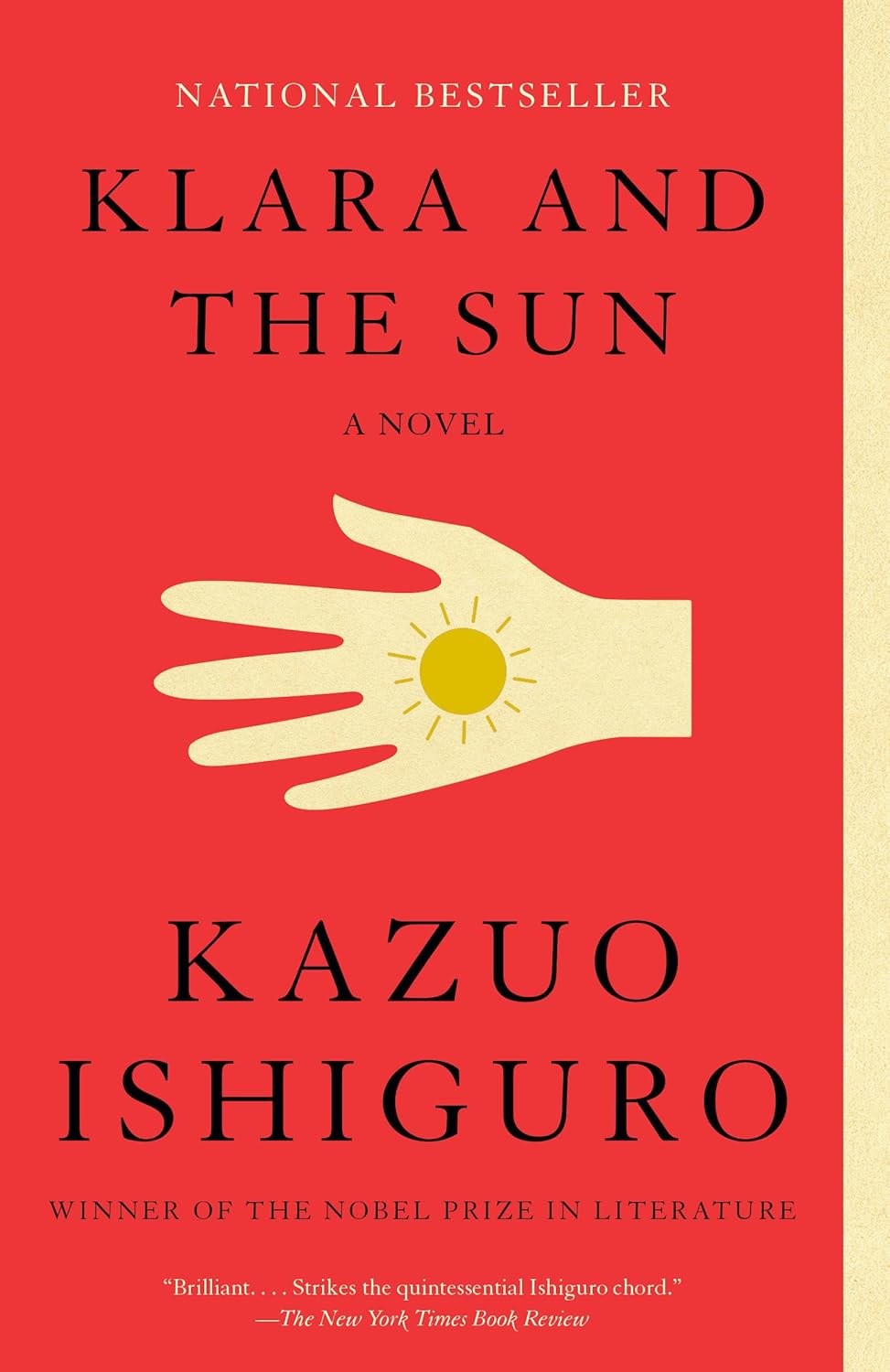
The only novel on the list, by a Nobel laureate: an artificial friend observes humans with a blend of lucidity and innocence no essay achieves.
As an Amazon Associate, Zendoric earns from qualifying purchases; the price does not change for you. · all our recommended books →
By UAM · July 16, 2026.
At the XVI Communication Research Colloquium of the Universidad Autónoma Metropolitana, held at the Cuajimalpa Campus, two papers put their finger on a sore spot the creative industry has been dodging for months: when a generative tool takes part in creating a screenplay, an academic text or a teaching resource, who is its author? Professor Daniel Cuitláhuac Peña Rodríguez addressed the use of AI in screenwriting —to organize ideas, rehearse scenes, propose characters— arguing that the vision, the tone and the final selection still belong to the creator. Filmmaker and educator C'Cañak Weingartshofer Coronado, for his part, focused his talk on copyright in teaching: AI can support content creation, but it raises serious questions about plagiarism, citation and intellectual property that the university cannot ignore.
What is interesting about this gathering is not that it reaches a settled answer —there isn't one yet in any country or industry— but that it pinpoints precisely where the real short-term problem lies: it is not AI's technical ability to generate plausible text, but the absence of a clear framework of accountability and traceability for that text. It is the same pattern we have already seen in other regulated fields: when a tool makes it possible to produce in minutes what used to take days, the barrier to entry does not disappear, it shifts. In the financial sector it has shifted from writing code to validating it; here it shifts from drafting a screenplay or an essay to being able to demonstrate what was taken from where, under what conditions, and by what editorial criterion it was rejected or accepted. That is the skill that is truly scarce, and that is why both speakers insist that AI does not replace training or reading: it makes them more necessary, because without judgment there is no way to tell a cliché generated by a model from a genuine narrative decision.
This has implications that go beyond the classroom. The entertainment industry, academic publishing and journalism have spent two years debating variants of this same question —from the writers' strikes in Hollywood to the citation policies of scientific journals— without a shared standard of attribution yet emerging when authorship is hybrid. In the meantime, each institution improvises its own rules, which in the short term generates real friction: legal uncertainty for creators, the risk of undetected plagiarism, and the possibility that companies and students use the ambiguity as an alibi to sidestep the underlying work that sustains any serious creative or academic craft.
Our reading is that debates of this kind, though they may seem minor next to headlines about frontier models or multibillion-dollar investments, are in fact where it will be decided whether generative AI ends up being a force that impoverishes culture or one that multiplies it. If we manage to build —as these academics demand— clear criteria for use, citation and accountability, AI becomes what it promises to be in the long run: a tool that radically lowers the cost of producing drafts, structures and first versions, freeing the screenwriter, the researcher or the teacher to concentrate on what only a human contributes —voice, ethical judgment, the connection with a real audience. It is the same abundance we hope to see in other fields: not less human creation, but more time and resources for the part of creation that truly matters. But that future does not arrive through technological progress alone; it arrives because institutions like UAM take seriously, today, the uncomfortable question of who signs when the machine also did the writing.
📚 Go deeper
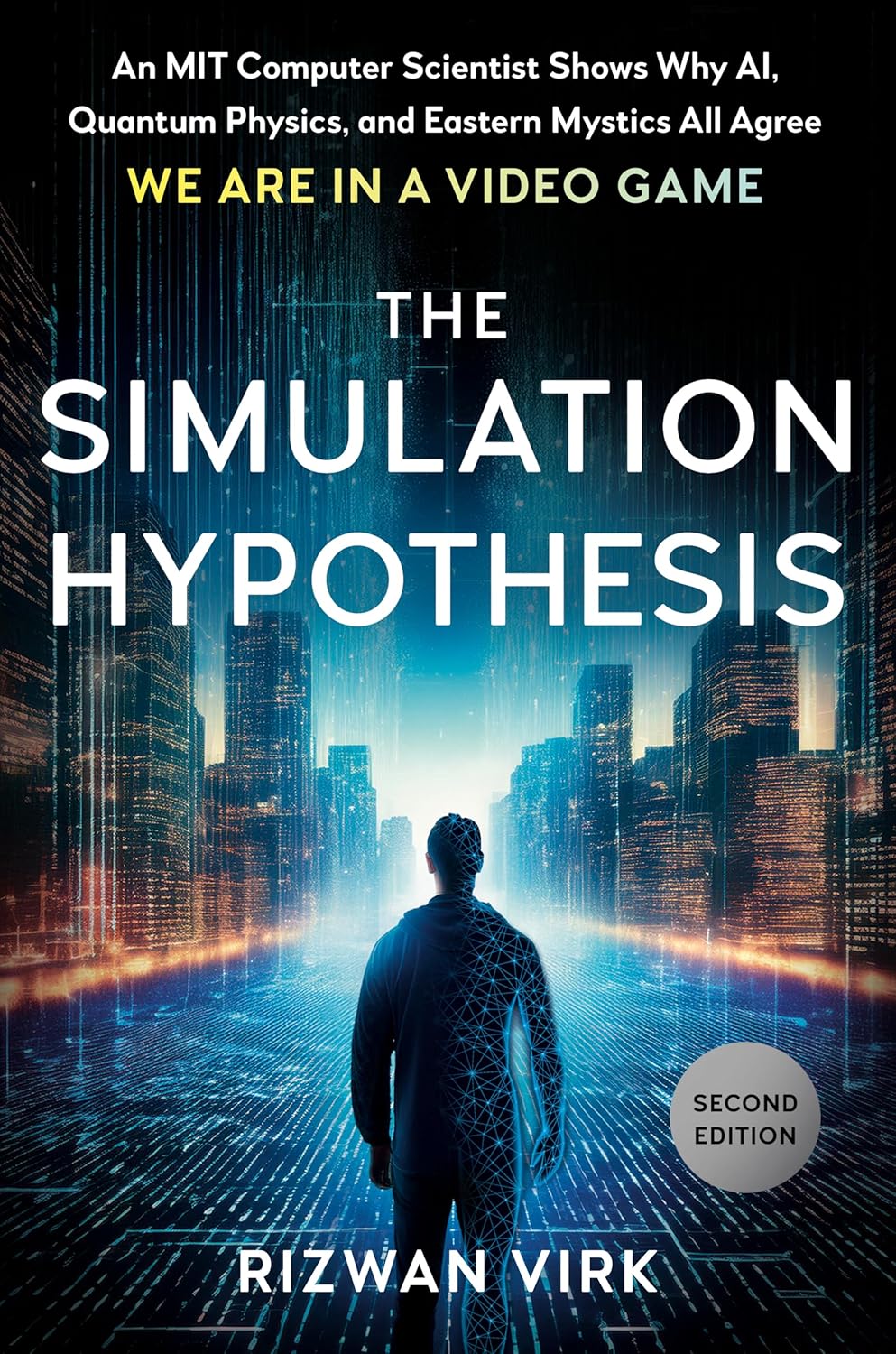
An MIT computer scientist connects AI, quantum physics and video games to take an uncomfortable question seriously: what if we live in a simulation? M
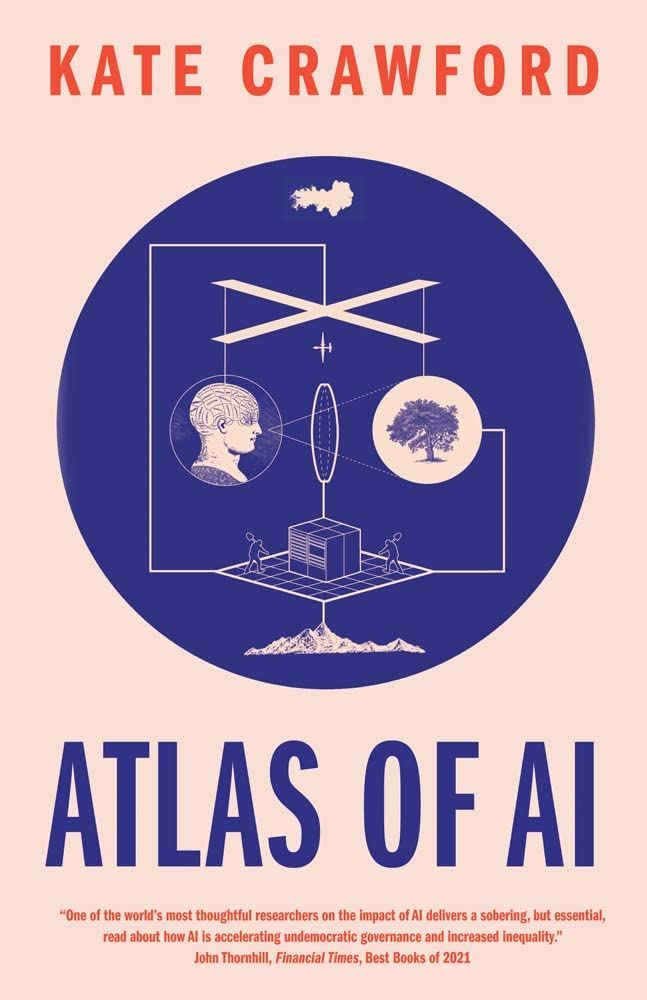
AI as an extractive industry: the lithium, the energy, the underpaid data-labeling work and the bodies behind the cloud.
As an Amazon Associate, Zendoric earns from qualifying purchases; the price does not change for you. · all our recommended books →
🔗 Related on Zendoric