Meta used AI to lay off staff based on metrics a medical leave can't generate, according to a lawsuit from 26 employees

🕒 Published on Zendoric: July 16, 2026 · 00:23
A lawsuit against Meta alleges that its AI systems for deciding May's 10% cut used metrics —AI tokens consumed, productivity scores— that by design drop to zero during a medical or maternity leave. The result, the plaintiffs say: those who exercised a legal right to take leave ended up penalized for it.
📚 Go deeper
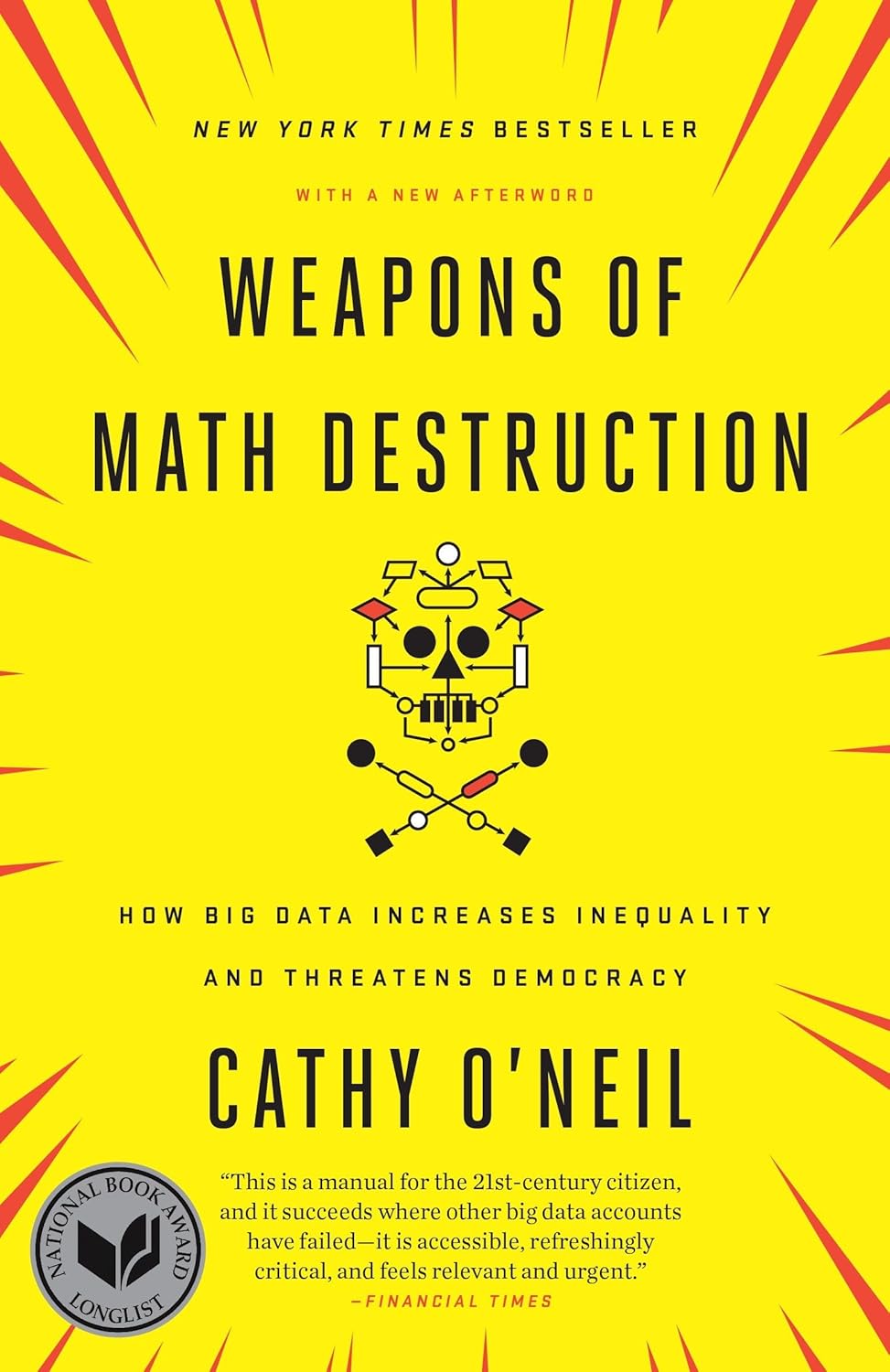
How opaque algorithms decide who gets credit, a job or parole — and why they tend to punish the same people.
As an Amazon Associate, Zendoric earns from qualifying purchases; the price does not change for you. · all our recommended books →
By HR Dive · July 15, 2026.
Twenty-six current and former Meta employees sued the company on Monday in the federal court for the Northern District of California over the roughly 10% workforce cut carried out in May. According to the lawsuit, Meta did not leave the selection to "the judgment of managers who knew the work," but instead used "a constellation of internal artificial intelligence systems" to score, rank and select who would be laid off. The inputs to those systems—the plaintiffs allege—included performance ratings, calibration scores, productivity and output metrics, "AI-native" assessments and AI token consumption: indicators that, by their very nature, cannot accumulate while someone is on medical, family or disability leave. The lawsuit contends that Meta never "neutralized" those inputs nor excluded from the process anyone who had taken or requested protected leave in the previous two years, and that the result was a selection that, in effect, penalized the exercise of a legal right.
The cases cited in the lawsuit are specific: a scientist was included in the cut while on pre-birth leave; a manager was demoted after a medical leave and, weeks after starting a second leave, selected for layoff; an engineer had his score lowered for the "broken time" an injury prevented him from working. The plaintiffs invoke the ADA, the FMLA, the Pregnancy Discrimination Act, the Pregnant Workers Fairness Act and Title VII of the Civil Rights Act of 1964, and are seeking an injunction to bar Meta from finalizing their departures. A company spokesperson responded that the accusations "are without merit and not based on fact" and insisted that "workforce and organizational decisions were and are made by people, not AI." It is worth stressing with equal clarity: these are, for now, allegations in a lawsuit, not facts proven by a court, and Meta expressly denies them.
What sets this case apart from the usual conversation about "AI destroys jobs" is the mechanism, not the outcome. We are not talking about a model that replaces a task, but about a system that decides, with partial data, who stays and who goes in a mass layoff. And the most revealing detail is precisely the "AI token consumption" as a metric of an employee's value: if the adoption of AI tools becomes a productivity indicator used to decide layoffs, any employee who cannot generate that signal—because they are on leave, because they have a disability, because they work in a role not suited to intensive use of those tools—is placed structurally at a disadvantage before anyone assesses their actual performance. It is a bias that stems not from ill intent, but from a metrics design that confuses "measurable activity" with "value delivered."
This litigation adds to a pattern we have been flagging: the automation of people management—so-called "agentic HR"—is advancing faster than the safeguards that should accompany it. The case of Workday's candidate-screening algorithms, cited in the coverage itself for its age-discrimination allegation, points in the same direction: when an employment decision is automated at scale, the bias that once dissolved across hundreds of individual human decisions concentrates and replicates systematically across thousands of cases with the same pattern. It is exactly the kind of risk we already anticipated when discussing the fragmented state-level regulation in the U.S.: absent a federal law, it is the courts and the states that are, case by case, defining what safeguards an AI system must have built in when it decides on a person's livelihood.
Our read is that these kinds of lawsuits—rather than a condemnation of AI in workforce management—are the corrective mechanism needed to make that management sustainable over the medium term. Zendoric's underlying thesis on employment remains intact: the transition toward an AI-driven economy of abundance will be hard in the short term, with real and uneven cuts across sectors, and administrative work and anything measurable by metrics is the first to fall. But that transition only leads to something better if the systems distributing the short-term pain are auditable, correctable and accountable to the law when they fail. An AI that lays people off based on who generated fewer "tokens" while recovering from an injury is not a step toward efficiency: it is a reminder that automating a decision without shielding its input data transfers human bias to a far greater scale, and that the governance of these systems—not just their capability—is what will determine whether the transition toward abundance is fast and fair or simply fast.
📚 Go deeper
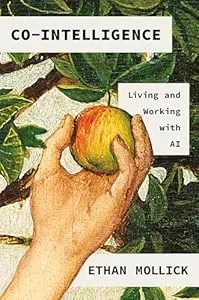
The best starting book if you're not technical: a Wharton professor explains how to work WITH AI — when to delegate, when to supervise, when to keep i
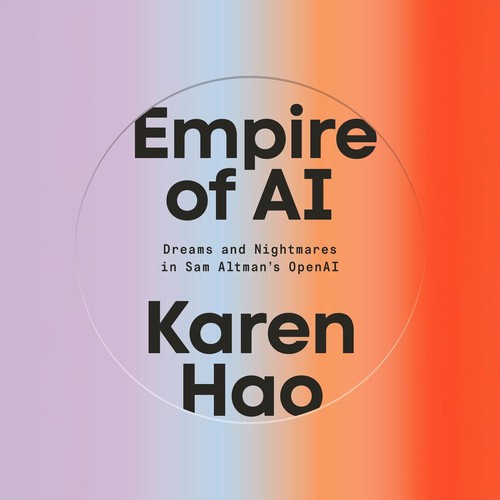
The definitive piece of investigative journalism on OpenAI: 260+ interviews, the clash between safety and speed, and the attempted firing of Sam Altma
As an Amazon Associate, Zendoric earns from qualifying purchases; the price does not change for you. · all our recommended books →
🔗 Related on Zendoric
- Meta sued for letting a performance algorithm decide who gets fired while on medical leave · 2026-07-15
- When a decree shuts off an API: the Legion case exposes the fragility of building on a single AI provider · 2026-06-24
- An arrest in Louisiana over AI and child abuse exposes the legal void around synthetic imagery · 2026-07-10