An arrest in Louisiana over AI and child abuse exposes the legal void around synthetic imagery

🕒 Published on Zendoric: July 10, 2026 · 00:24
A man from Slidell, Louisiana, was arrested, accused of using artificial intelligence to generate child sexual abuse material, according to WGNO. The case, with details still scarce, again raises whether current laws are ready to prosecute wholly synthetic content.
📚 Go deeper

AI as the latest chapter in the history of information networks, from gossip to the printing press to the algorithm.
As an Amazon Associate, Zendoric earns from qualifying purchases; the price does not change for you. · all our recommended books →
We'll send you a confirmation email (double opt-in). Privacy.
By WGNO · July 9, 2026.
According to WGNO, a man from Slidell (Louisiana) was arrested accused of using artificial intelligence tools to create child sexual abuse material. The available information is minimal —the detainee's name, the exact date of the arrest and the status of the judicial process are not detailed— so it is best to treat it for what it is: a police accusation, not a conviction, and it should be read as such while the case moves through the courts.
In general, this type of arrest has multiplied in the United States as image generators become capable of producing photorealistic content without the need for real victims photographed directly, which has forced prosecutors and lawmakers to adapt laws designed for traditional photographic material to a scenario of entirely synthetic content. Several states have amended or are amending their criminal codes so that the law explicitly reaches AI-generated images, precisely because previous frameworks did not always contemplate this technical possibility.
Our reading is that this is exactly the kind of short-term harm that cannot be minimized or left to 'resolve itself' with technological progress: the ease of access to powerful generative models has drastically lowered the barrier to producing illegal material, and criminal prosecution depends on the law, law enforcement and the AI platforms themselves (with filters, watermarks and misuse detection) keeping pace with technical capability, not lagging several steps behind. It is an uncomfortable reminder that the promise of abundance and well-being that AI may bring in the long term coexists, today, with the urgent obligation to close these regulatory gaps and to hold accountable both those who commit the crime and the tools that, poorly governed, facilitate it.
📚 Go deeper
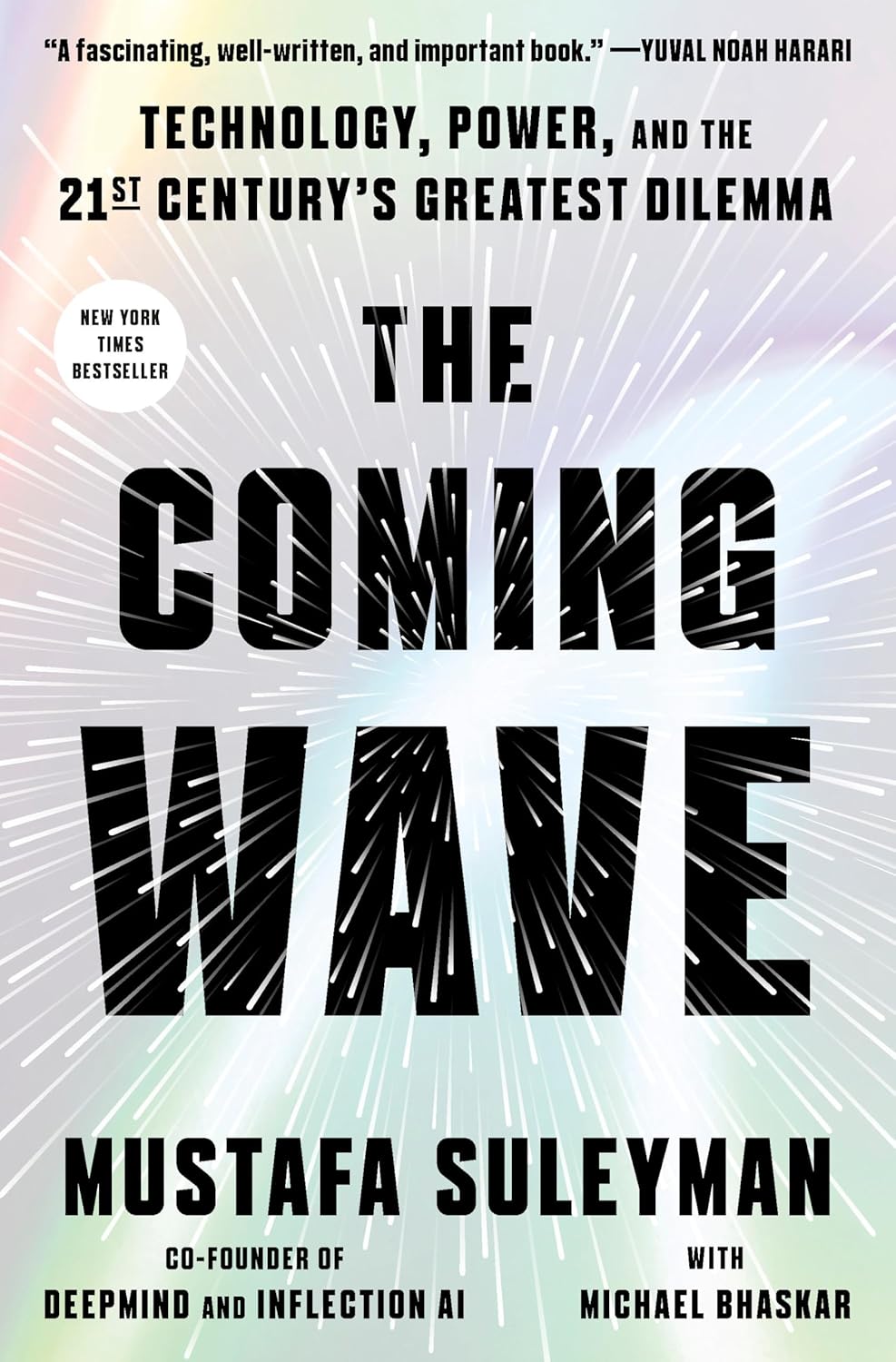
DeepMind co-founder on the dilemma of containing technologies that do not want to be contained.

Algorithms in justice, medicine, cars and art, explained with British humor and mathematical honesty.
As an Amazon Associate, Zendoric earns from qualifying purchases; the price does not change for you. · all our recommended books →
🔗 Related on Zendoric
- AI-generated CSAM at an Illinois school: the hardest abuse to detect no longer needs a hidden camera · 2026-07-04
- When AI Meets Child Exploitation: A Teacher's Arrest Signals a Legal Reckoning · 2026-07-04
- A teacher accused of creating fake nude images of former students with AI closes his case with a plea deal · 2026-07-08
Sources & references
Get the analysis by email · free
One email a day analysing the AI essentials. Free, no spam, unsubscribe anytime.
We'll send you a confirmation email (double opt-in). Privacy.