Outsourcing flirting to ChatGPT: you win the first date, you lose the muscle of loving

🕒 Published on Zendoric: July 12, 2026 · 00:14
✨ AI-generated · how it's made
Couples therapists warn that using AI to write profiles, messages and even breakups is atrophying people's ability to relate to one another. The problem is not the tool: it is giving up practicing the awkwardness that teaches you to love well.
📚 Go deeper
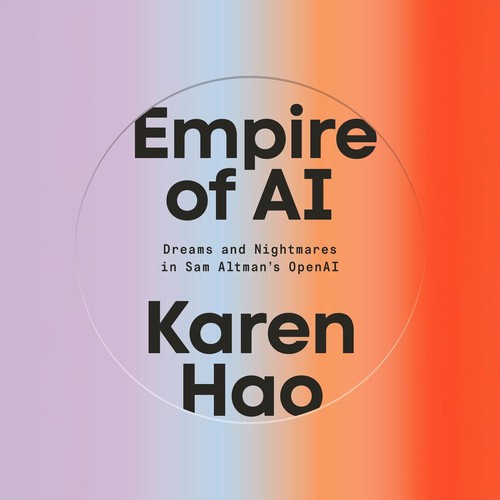
The definitive piece of investigative journalism on OpenAI: 260+ interviews, the clash between safety and speed, and the attempted firing of Sam Altma
As an Amazon Associate, Zendoric earns from qualifying purchases; the price does not change for you. · all our recommended books →
By Fox News · July 11, 2026.
Two voices from the relationships field —Jackie Dorman, founder of the "Last Year Single" program, and family therapist Christina Tracy Stein— describe to Fox News Digital a pattern that is no longer anecdotal: users who ask ChatGPT to write their dating-app profile, to suggest the witty comeback in a chat, or to directly write the breakup message. The result, they say, is people who "sell" on the app someone witty and charming who then, in person, does not exist. Dorman sums it up with a blunt phrase: AI is making us "relationally stupid," because it delegates precisely what teaches people to relate —trial and error, embarrassment, awkward conversation— to a model that never makes a mistake on our behalf. Stein qualifies: using AI to organize thoughts before a difficult talk is legitimate; the problem begins when people stop trusting their own instinct and the tool replaces judgment instead of feeding it. Both also point to romantic relationships with AI companions, which Dorman observes above all in women who, by her reading, do not find the emotional maturity they seek in the men they date; the report itself cites a survey according to which 20% of teenagers already maintain some kind of relationship with an AI.
It is worth separating the fact from the diagnosis here. The fact —people using chatbots to manage romantic communication— is widely documented and unsurprising: any technology that reduces social friction (from dating apps to the style checker) is used first to manage impression. The diagnosis —that this makes us "stupid" at relating— is the opinion of two professionals with a direct interest in the subject (one sells a dating-coaching program, the other practices couples therapy) and should be read as such: plausible, consistent with what we already knew about the psychology of bonding, but not a controlled study with hard data on breakup rates or relationship satisfaction attributable to AI.
That said, the underlying thesis holds up to scrutiny and connects with something we have been noting in other areas: generative AI is extraordinary at solving the friction of "what to say," but social skills, like any other human competence, are trained through exposure and real cost —embarrassment included. If a teenager systematically delegates the first message, the awkward joke or the breakup conversation, they are not saving effort: they are depriving themselves of the repetitions that build the judgment to read another person, tolerate rejection and sustain a difficult conversation without a script. It is the same pattern we already observe in the classroom, where the student who uses AI to think for them learns less than the one who uses it to think better: the difference lies not in the tool, but in whether it replaces or amplifies one's own judgment.
In the short term, this is a real and probably growing problem, especially among teenagers who have not yet built a repertoire of relational skills before leaning on the assistant; the figure of 20% of minors with some bond to an AI, if confirmed by broader studies, deserves serious attention from educators and families, not just couples therapists. It is also honest to acknowledge the gender reading that Dorman points to —women who find in a chatbot an emotional constancy they do not find in human partners—: it is a reasonable hypothesis about loneliness and mismatched expectations, but it should be treated as a practitioner's clinical observation, not as a verified demographic trend.
In the long term, however, the experts' own argument points to why this is no cause for catastrophism: what makes someone "lovable" —their imperfections, their clumsiness, their authenticity— is precisely what no AI can manufacture or replace, and that will remain a scarce and sought-after human value the more machine-polished text abounds. If technological abundance frees up time and reduces the economic anxiety that today erodes many relationships, it is reasonable to expect the human bond —with its friction and its risk— to gain relative value, not to disappear. The challenge is not to ban the use of AI in dating, but, as Stein suggests, to use it to organize thinking without ceasing to exercise instinct: the same discipline we will increasingly need in every arena where the machine can think for us if we let it.
📚 Go deeper
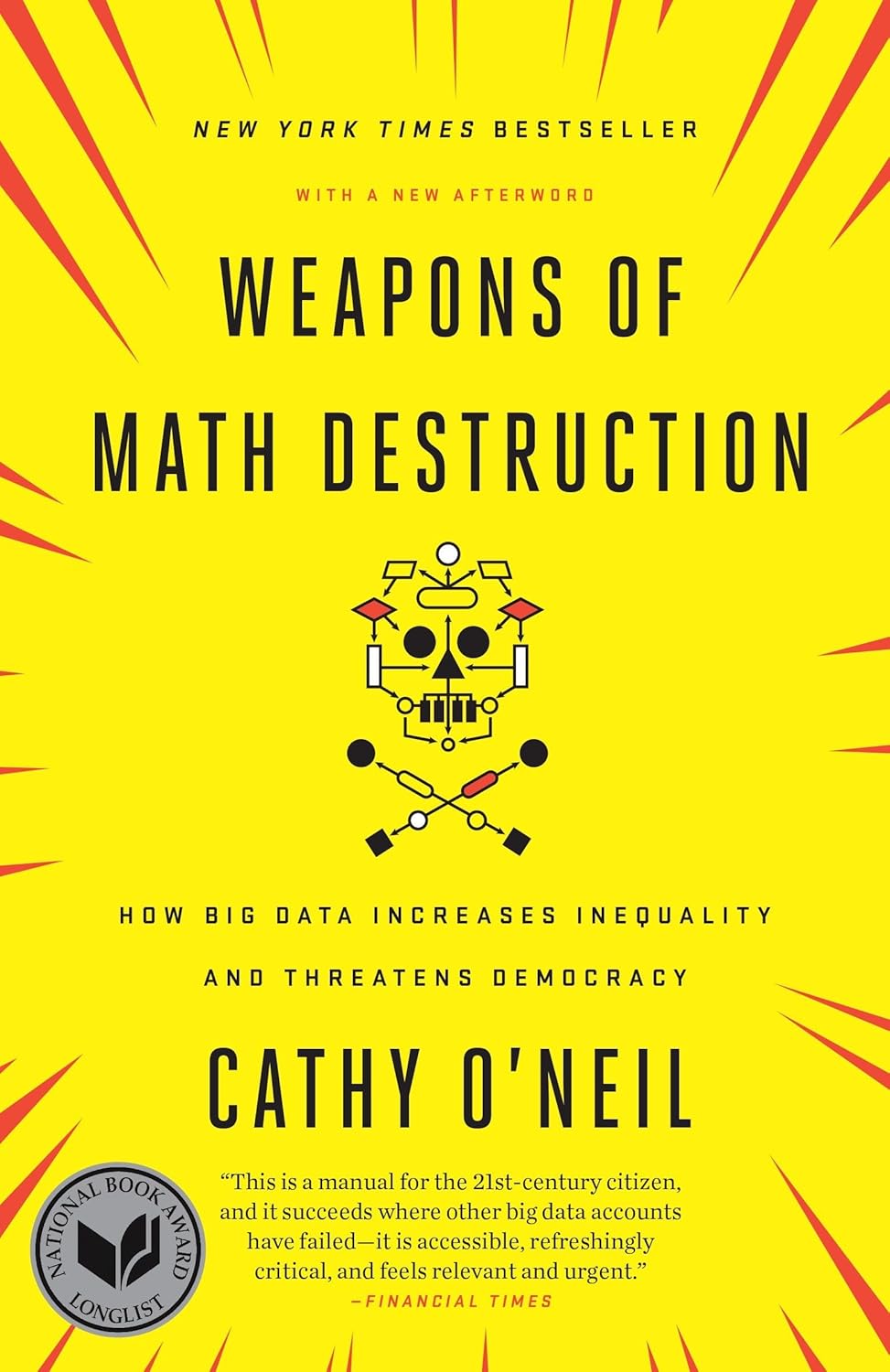
How opaque algorithms decide who gets credit, a job or parole — and why they tend to punish the same people.
The best starting book if you're not technical: a Wharton professor explains how to work WITH AI — when to delegate, when to supervise, when to keep i
As an Amazon Associate, Zendoric earns from qualifying purchases; the price does not change for you. · all our recommended books →
🔗 Related on Zendoric
- ChatGPT-4o's age bias is not a technical glitch: it's society reflected at industrial scale (KAIST quantifies it) · 2026-06-28
- Love with a copilot: one in three uses AI as a couples therapist, and it's not just a passing fad · 2026-07-10
- The use of AI that doesn't make the headlines: 30 life books to keep the memory of the elderly alive · 2026-07-06