Love with a copilot: one in three uses AI as a couples therapist, and it's not just a passing fad

🕒 Published on Zendoric: July 10, 2026 · 00:24
A Wingmate survey reported by NJ 101.5 reveals that AI already writes dating profiles, gives relationship advice and drafts breakups for millions of people. The most unsettling figure: a third treat it as if it were a therapist. Here's what it means, beyond the alarmist headline.
📚 Go deeper
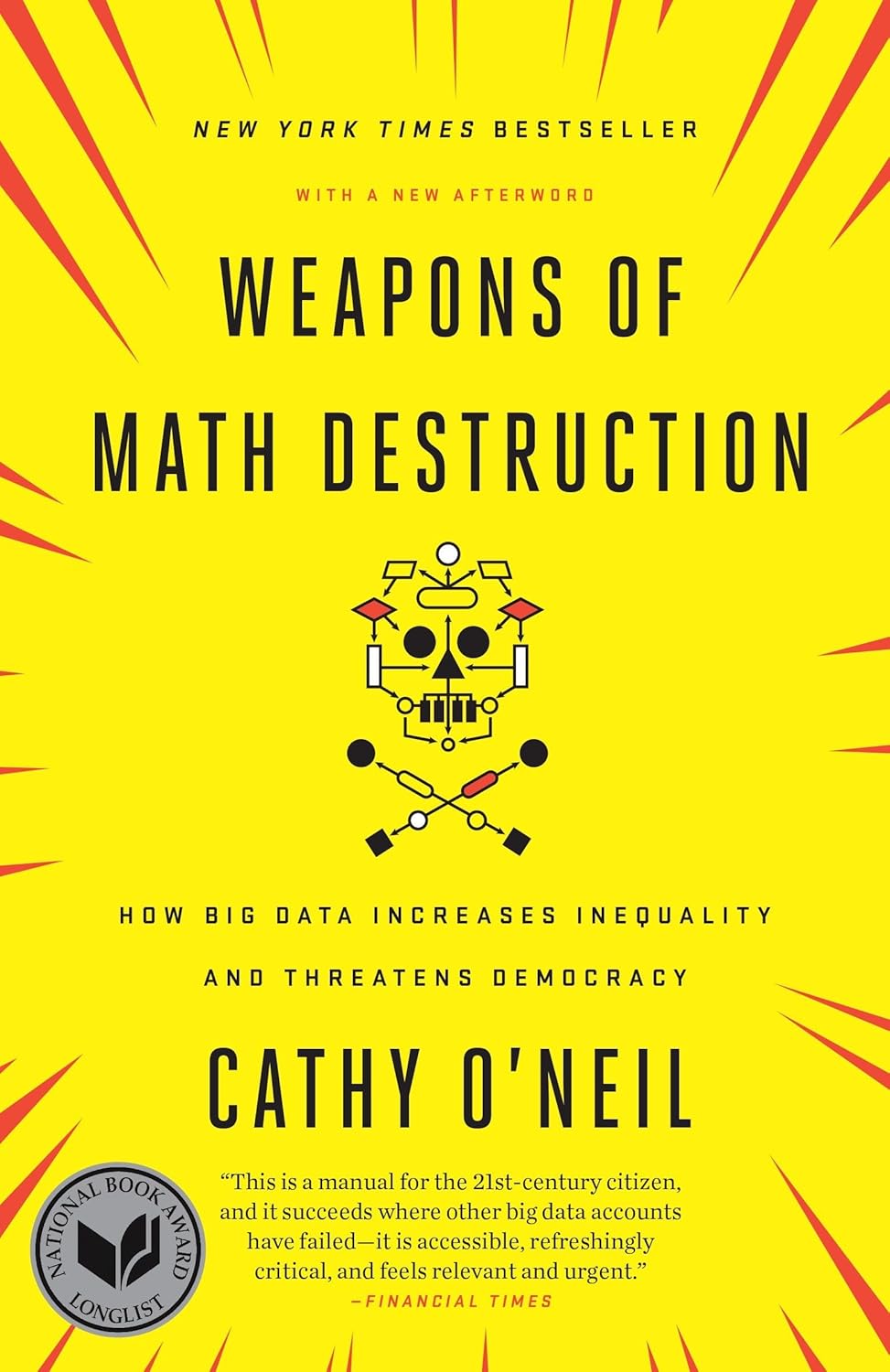
How opaque algorithms decide who gets credit, a job or parole — and why they tend to punish the same people.
As an Amazon Associate, Zendoric earns from qualifying purchases; the price does not change for you. · all our recommended books →
We'll send you a confirmation email (double opt-in). Privacy.
By New Jersey 101.5 · July 9, 2026.
Jeff Deminski's column on NJ 101.5 opens in a tone of outrage, but the figures it cites—from a survey by the Wingmate platform on 2026 dating habits—deserve a cooler reading than the columnist's. Some 56% of respondents consider AI a useful tool in their romantic life. 62% use it to write their dating-app profile. 57% would rather ask a chatbot for advice than their friends. 41% have delegated the writing of breakup messages to AI, especially adults aged 18 to 29. And the figure that should make us pause the most: 34% turn to AI for direct advice on their relationships, treating it in practice as if it were a qualified therapist.
It is worth separating two phenomena the article lumps together. One is cosmetic: polishing a dating profile or finding the words for a difficult breakup is no different from asking help from a more silver-tongued friend, and there AI does well what commissioned love letters or self-help books already did, only at scale and for free. The other is structural: when one in three people turns a language model into their go-to relationship counselor, they are replacing a human relationship—one with judgment, shared memory and accountability—with a system that has neither a clinical license, nor real continuity, nor any way to refer someone in crisis to professional help when the conversation gets complicated.
This connects with something we have already seen in other arenas, such as education: the risk is not the tool itself, but which part of the human work is handed over to it. A teacher who uses AI to prepare better classes is not the same as a student who hands over their entire thinking; likewise, using AI to organize ideas before a difficult conversation is not the same as letting it write and decide the emotional content of a breakup. The columnist himself, in an almost involuntarily honest gesture, asks ChatGPT to write the closing of his article—and uses it—which illustrates better than any statistic just how blurry that line has already become, even for the person denouncing it.
In the short term, the pattern is predictable and deserves real concern: if the profile that attracts someone is written by a model and does not reflect the person, the first date begins with a mismatch of expectations; if relationship advice comes without nuance or memory of the asker's life context, it can be generic or outright wrong at the worst moment; and if the emotional vulnerability of a breakup is handled with a tool that cannot refer someone to human support when needed, there is a safety gap that no maker of these assistants is clearly resolving today. That it is above all the youngest who use AI to end relationships points to a generation learning to manage emotional conflict through an intermediary, at a life stage in which that very relational muscle is being trained.
Our reading, however, is not only one of alarm. The same technology that today clumsily replaces a therapist can, with the right safeguards—referral to human professionals at signs of risk, transparency about what is generated and what is not, design that accompanies rather than replaces one's own judgment—democratize something that today is a privilege: access to quality guidance for those who cannot afford couples therapy or lack a network of friends with good judgment. It is the same pattern we see in health or education: the abundance AI promises in the long run does not consist of a machine living our relationships for us, but of no one being left without support because they cannot afford it. The underlying problem is not that a copilot for love exists, but that today it circulates without a seatbelt or clear instructions on when to let go of the wheel.
📚 Go deeper
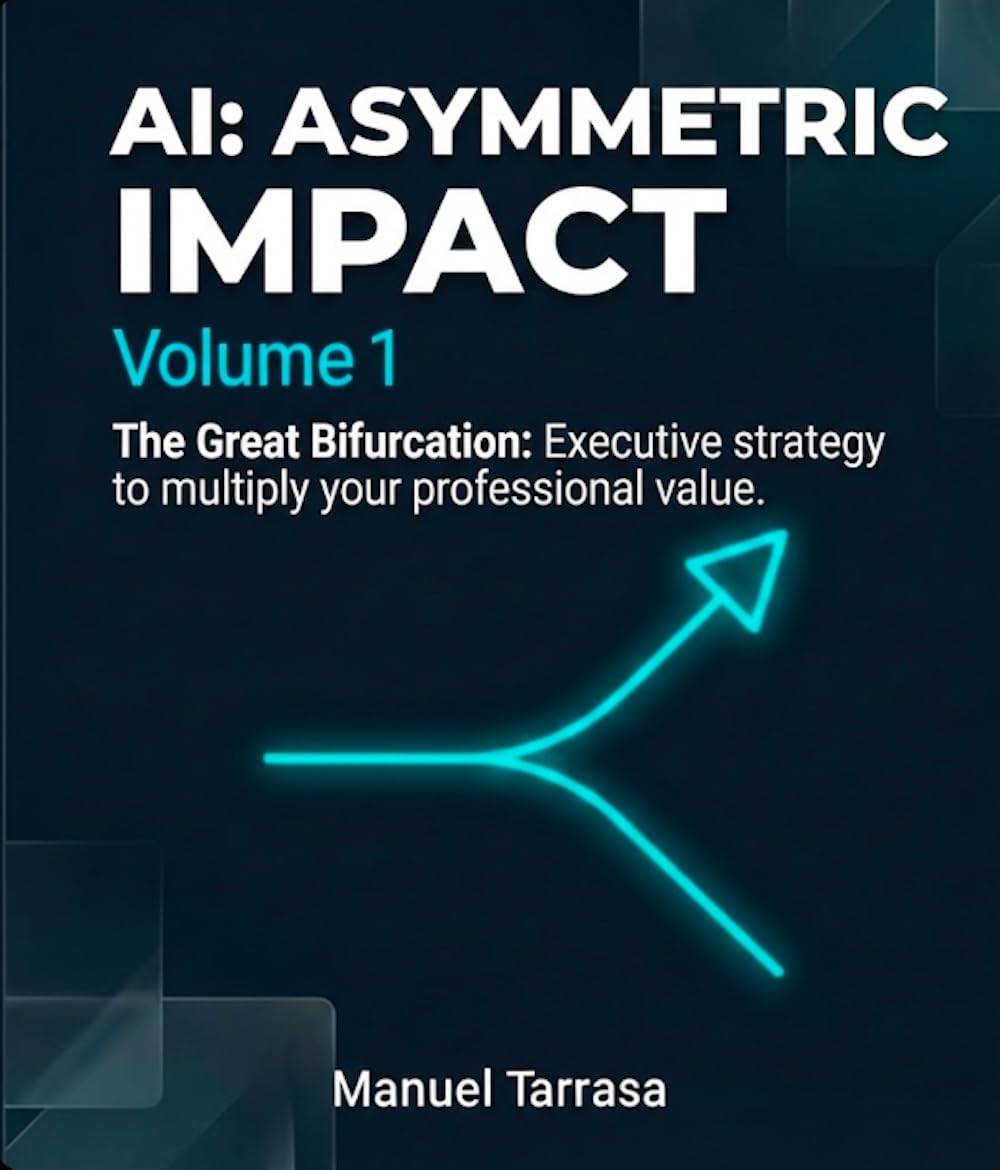
How to future-proof your career and multiply your professional value as AI collapses the cost of cognitive work: the "Great Bifurcation" between those
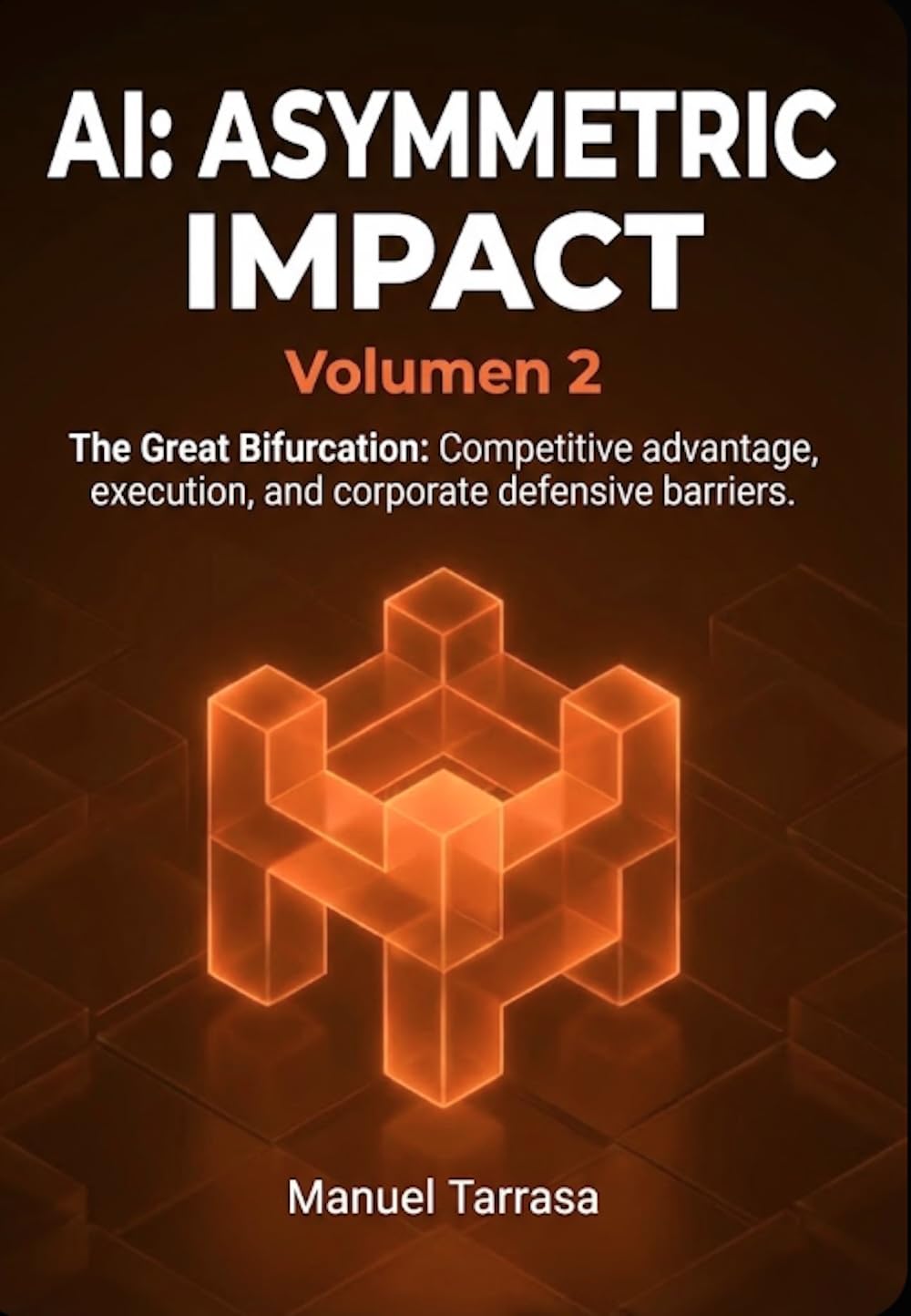
The same bifurcation seen from the boardroom: strategy, execution and defensive moats to reorganize a business around AI before your competitors do.
As an Amazon Associate, Zendoric earns from qualifying purchases; the price does not change for you. · all our recommended books →
🔗 Related on Zendoric
- Anthropic's economic index reveals AI already does half the work… but its data has a huge blind spot · 2026-06-29
- When a teen's first confidant is a chatbot: what 1 in 5 reveals · 2026-06-26
- Specialized mental health AI versus everyday ChatGPT: the battle no one can win by ignoring the user · 2026-06-28
Sources & references
Get the analysis by email · free
One email a day analysing the AI essentials. Free, no spam, unsubscribe anytime.
We'll send you a confirmation email (double opt-in). Privacy.