The use of AI that doesn't make the headlines: 30 life books to keep the memory of the elderly alive

🕒 Published on Zendoric: July 6, 2026 · 00:04
Castellón has delivered the first 30 biographical books created with AI from workshops with elderly people, using a local app born at the Universitat Jaume I. It is a modest but revealing example of what this technology is really for when applied wisely.
📚 Go deeper
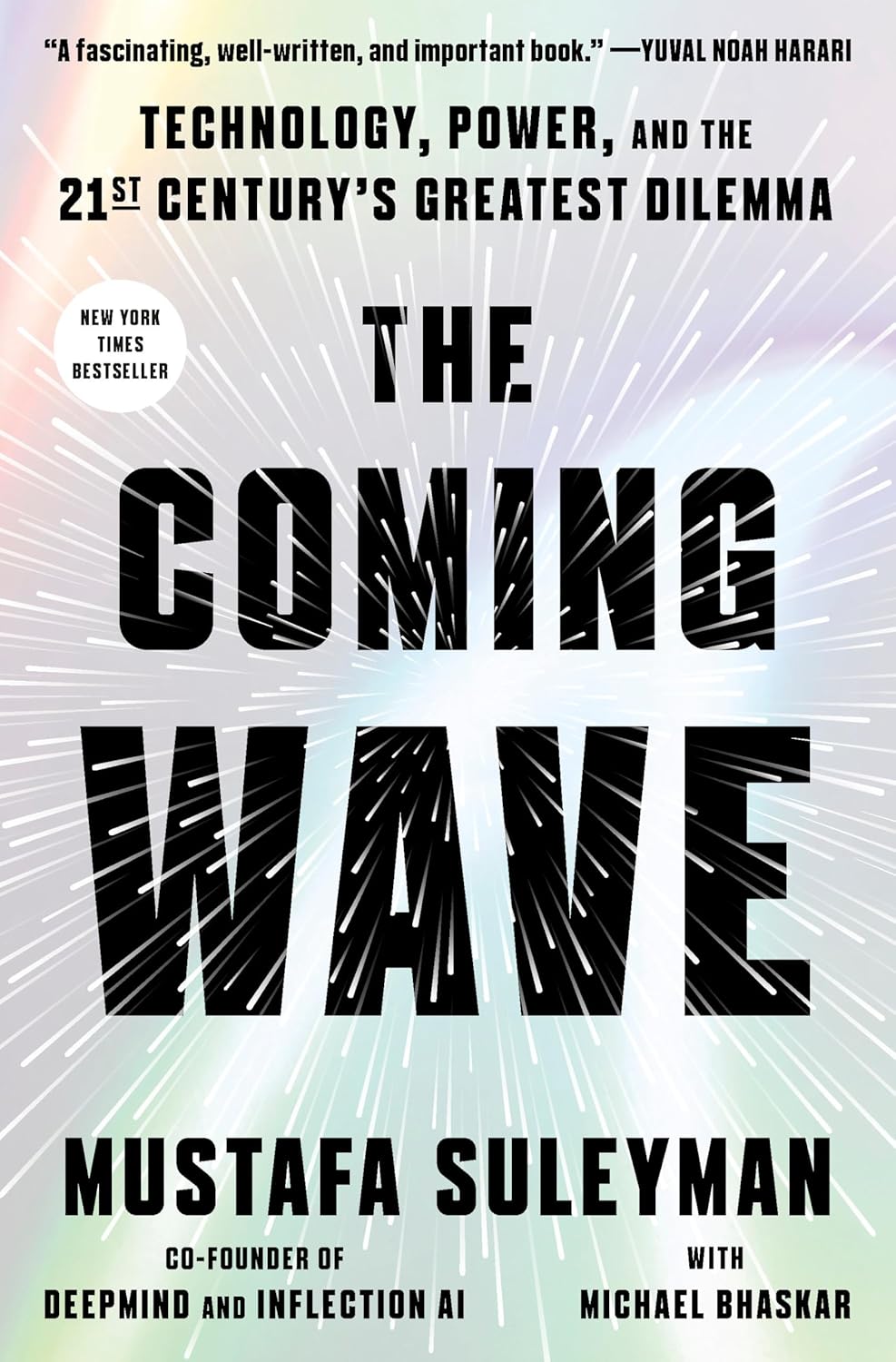
DeepMind co-founder on the dilemma of containing technologies that do not want to be contained.
As an Amazon Associate, Zendoric earns from qualifying purchases; the price does not change for you. · all our recommended books →
We'll send you a confirmation email (double opt-in). Privacy.
By Actualidad Castellón · July 5, 2026. The Castellón City Council has delivered the first 30 biographical books created with artificial intelligence based on the life experiences of older adults gathered during a workshop at the Active Aging Center. The tool behind the project is called VersedIA, an application developed in Castellón that emerged from the entrepreneurial ecosystem of the Universitat Jaume I, which transforms memories narrated by voice into a biographical book, available both in print and digital format. The Councilor for Older People, Clara Adsuara, has framed the initiative within the First Municipal Plan for Older People, whose goals include combating unwanted loneliness and strengthening the emotional and cognitive wellbeing of a group that represents one in five residents in Castellón. The city council has already opened new registrations through the Senior Citizens' Office for those who wish to create their own book of memories.
It's worth stating the obvious: this is not a story about the technological frontier. There is no cutting-edge model here, no benchmark to beat, no geopolitical race. It is, instead, a small, local and almost artisanal use case of AI applied to a very human problem: ensuring that a generation's memory isn't lost when the person carrying it is lost. And precisely because of its small scale —30 books, an app born on a university campus, a municipal contact phone number— it deserves attention, because it illustrates something that often gets buried under the noise of major launches: the everyday usefulness of generative AI isn't always measured in productivity or industry disruption, but in things as simple as turning a spoken conversation into an object a family can keep forever.
The project's origin also says something relevant about Spain's innovation fabric outside the major capitals. VersedIA was born from the entrepreneurial ecosystem of the Universitat Jaume I, not from a tech giant or a multimillion-euro funding round in Madrid or Barcelona. It's proof that the democratization of generative AI tools —speech-to-text models, natural language generation, automated layout— has lowered the entry cost so much that today a modestly sized university startup can build a functional product and sell it to a local government. That capillarity is, at bottom, one of the most solid promises of this technological wave: it's not only OpenAI, Anthropic or Google that define what AI does in the real world, but thousands of small applications built on those foundations.
That said, there are questions worth not overlooking, even if the project's intention is benign. The first concerns scale and sustainability: 30 books is a pilot, not an established public policy, and it remains to be seen whether the city council maintains funding and whether VersedIA achieves a viable business model beyond one-off municipal contracts. The second concerns data: these books contain intimate, biographical accounts from older people, a group especially vulnerable when it comes to understanding what happens to their information once it's processed by an AI system; it would be reasonable to demand transparency about where these voice recordings and generated texts are stored, and under what conditions. Neither objection invalidates the initiative, but they do mark the difference between a well-intentioned project and one that is well-executed over the long term.
Our reading is that this kind of application —modest, local, focused on care and memory— is exactly the type of AI use that supports the underlying thesis of this technology: it's not just about automating tasks or displacing jobs, but about using these systems' capabilities to preserve something that time and forgetting threaten to erase. In a context where much of the public debate on AI revolves around the race between frontier models, geopolitical control over chips, or the risk of automated fraud, it's worth not losing sight of the fact that the technology also lands, quietly, in a senior center in a mid-sized city, helping an eighty-year-old person leave a record of their life for their grandchildren. If the abundance that AI promises in the long run makes any sense, it's because it is also built with pieces as small as this one.
📚 Go deeper

The same bifurcation seen from the boardroom: strategy, execution and defensive moats to reorganize a business around AI before your competitors do.
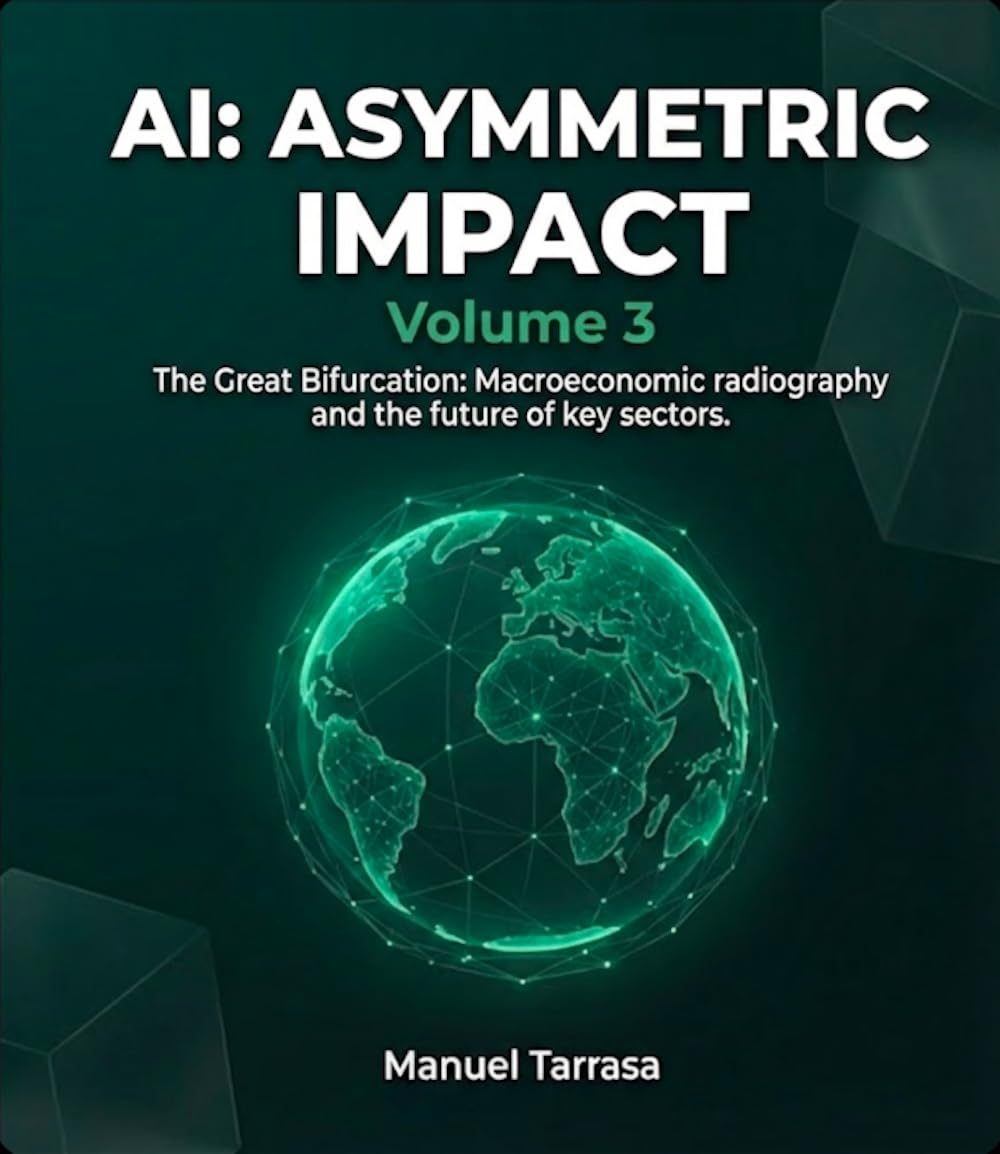
A macroeconomic, sector-by-sector X-ray of how AI redraws the global chessboard over the coming decade, with the human factor at the center.
As an Amazon Associate, Zendoric earns from qualifying purchases; the price does not change for you. · all our recommended books →
Sources & references
Get the analysis by email · free
One email a day analysing the AI essentials. Free, no spam, unsubscribe anytime.
We'll send you a confirmation email (double opt-in). Privacy.