OpenAI, Trump and the proposal for an AI wealth fund for Americans

🕒 Published on Zendoric: July 7, 2026 · 03:25
✨ AI-generated · how it's made
OpenAI CEO Sam Altman's repeated promise that Americans will share in the wealth that AI generates was back in the news last week. According to a report by the Financial Times, Altman is in talks with President Trump to hand the U.S. government a 5% stake in OpenAI.
📚 Go deeper
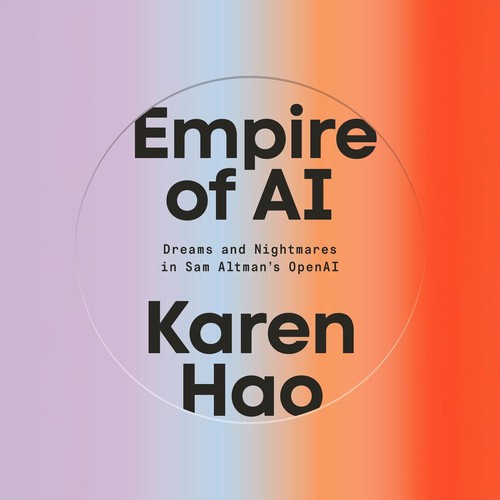
The definitive piece of investigative journalism on OpenAI: 260+ interviews, the clash between safety and speed, and the attempted firing of Sam Altma
As an Amazon Associate, Zendoric earns from qualifying purchases; the price does not change for you. · all our recommended books →
By James O'Donnell (The Algorithm, MIT Technology Review) · 6.7.26.
The repeated promise by Sam Altman, CEO of OpenAI, that Americans will share in the wealth that AI generates was back in the news last week. According to the Financial Times, Altman is in talks with President Trump to grant the U.S. government a 5% stake in OpenAI.
This idea is not new: back in 2021 Altman had already written about a more radical version, proposing that all companies above a certain valuation (not just AI ones) contribute 2.5% of their market value annually to a fund that would distribute annual payouts among Americans. In April of this year, OpenAI described a more limited proposal, very similar to the one now reportedly being discussed with Trump. The idea also has cross-cutting political appeal: Senator Bernie Sanders has proposed that Americans receive a 50% stake in the leading AI companies.
What is the logic behind this? For potential beneficiaries, the justification is twofold. First, AI learns directly from human-generated work—books, films, art—without AI companies normally paying the authors of that content; a free equity stake could serve as a form of belated compensation. Second, the payment could ease the widespread anxiety that AI will cause a collapse of the labor market (although economists disagree on that point), acting as a safety net.
The size of that safety net is up for debate. The details of OpenAI's latest proposal are scarce, but the author does the math: after its March funding round, the company was valued at $852 billion, which would make a 5% stake worth about $42.6 billion today (the company is reportedly delaying its IPO until it reaches a valuation of $1 trillion, a difficult target given that it spends heavily on data centers and is not yet profitable). Splitting those $42.6 billion among the roughly 133 million U.S. households would give each about $320 in shares. But if it worked like other sovereign wealth funds, the government would not hand over the shares directly but would let the fund grow and then share a portion of the returns, which could mean a larger payout if AI companies ever become sustainably profitable.
If this dividend does materialize, what does the tech industry gain in return? Altman may be hoping that the promise of these payments helps tip public opinion back in favor of AI companies. The email cites data showing that most Americans do not trust companies to use AI responsibly, oppose the construction of data centers in their area, and that half are more worried than excited about the growing presence of AI in their daily lives.
But the biggest prize for OpenAI could be staying on good terms with the Trump administration, which according to the author enjoys striking tech deals—such as its equity stake in Intel and its cut of Nvidia's sales to China, among others. Maintaining a good relationship with the administration is currently essential for AI companies (the author cites the case of Anthropic as an example), since it can mean avoiding having your models deemed a supply-chain risk, or getting more help from the White House to rein in Chinese rivals.
The author's main conclusion is that these plans currently function more as narrative than as concrete policy. Altman has been talking about some version of this idea for five years and reportedly raised it with Trump shortly after he took office, but there is little sign that a concrete plan is taking shape. Sanders's more ambitious proposal is, according to the author, even less likely to move forward.
What these plans do reveal, O'Donnell notes, is how open the debate over the future of AI still is. Altman drew inspiration for his plan from the Alaska Permanent Fund, created in the 1970s to give Alaskans a share of oil profits, based on two premises: that oil is a shared resource and that it will eventually run out. Altman seems to accept the first premise regarding AI, but would reject the second, having promised that AI will generate extraordinary wealth for decades. The author concludes that whether Americans ever receive a check is almost secondary; the real purpose of the proposal may be to convince them that the AI boom will be big enough to go around.
The email also includes, in the 'Deeper Learning' section, a related note on how chip workers in South Korea (at companies such as SK Hynix and Samsung) have become the most sought-after singles after union agreements that distributed 10% of operating profits to them, illustrating how the sharing of AI and semiconductor gains is already generating tangible social effects, though it also widens the country's wealth gap.
📚 Go deeper
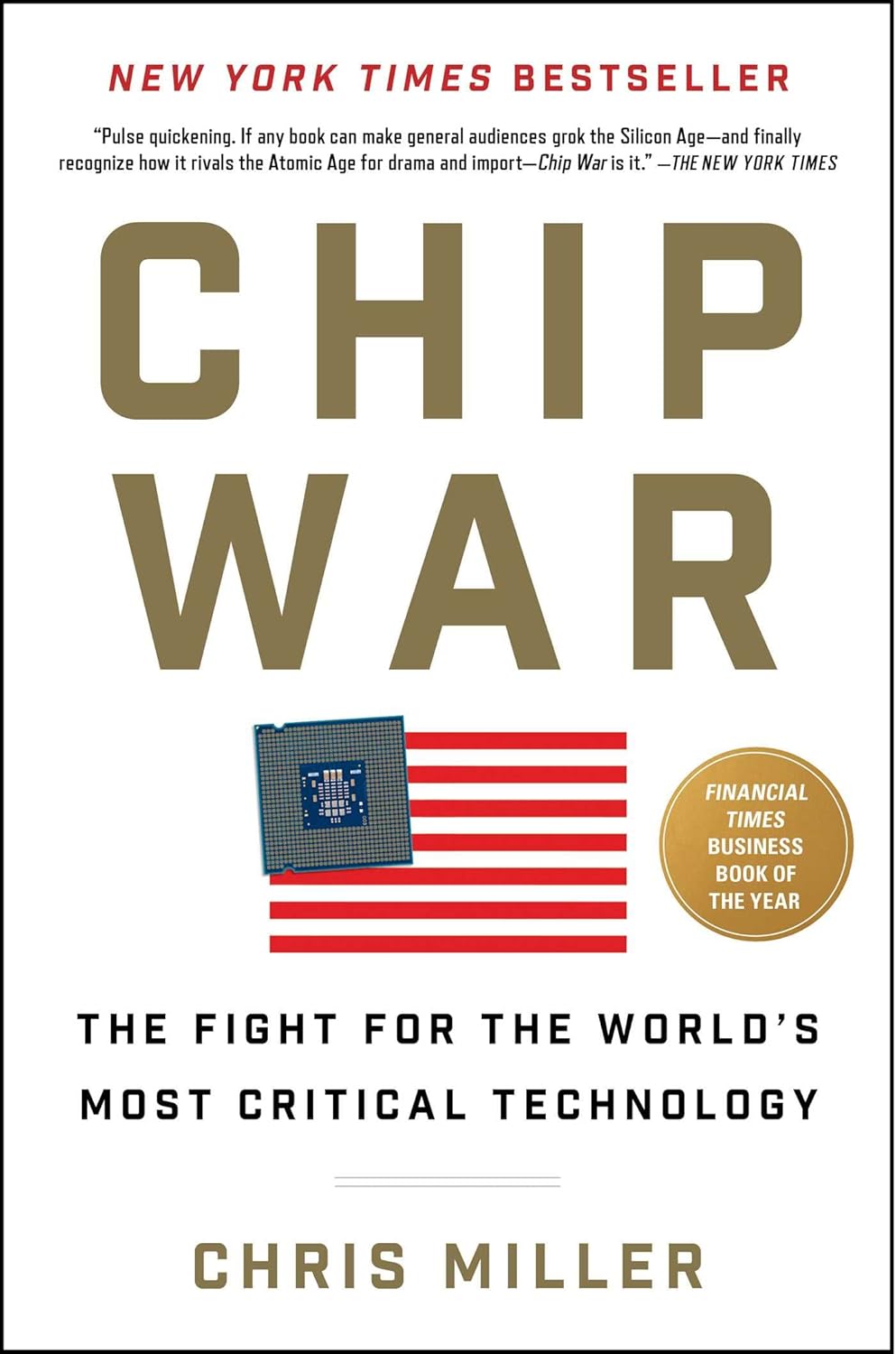
Semiconductors as the oil of the 21st century: history, espionage, and why an island of 23 million people underpins the entire AI economy.
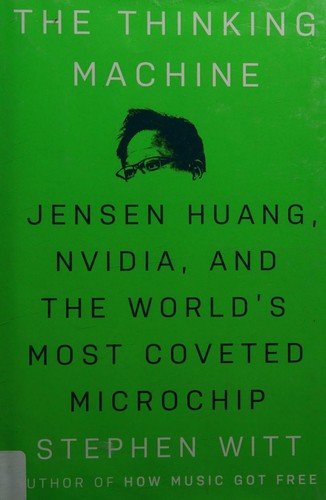
The story of NVIDIA and Jensen Huang: how a video-game card company ended up making the most coveted resource on the planet.
As an Amazon Associate, Zendoric earns from qualifying purchases; the price does not change for you. · all our recommended books →
🔗 Related on Zendoric