Altman's plan to distribute OpenAI shares among Americans: real policy or narrative?

🕒 Published on Zendoric: July 8, 2026 · 09:15
✨ AI-generated · how it's made
James O'Donnell's article in MIT Technology Review analyzes the resurgence of an idea that Sam Altman has been promoting for years: that American citizens should receive a share of the wealth generated by AI.
📚 Go deeper
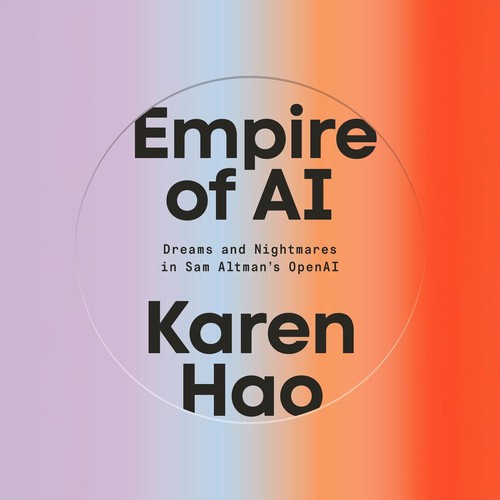
The definitive piece of investigative journalism on OpenAI: 260+ interviews, the clash between safety and speed, and the attempted firing of Sam Altma
As an Amazon Associate, Zendoric earns from qualifying purchases; the price does not change for you. · all our recommended books →
James O'Donnell's article in MIT Technology Review examines the resurgence of an idea Sam Altman has been promoting for years: that American citizens should receive a share of the wealth generated by AI. The news reviving the debate is a Financial Times report according to which Altman is negotiating with President Trump the possibility of granting the U.S. government a 5% stake in OpenAI.
The author recalls that the proposal is not new: back in 2021 Altman already put forward a far more ambitious version, in which all companies above a certain market valuation (not just AI firms) would contribute 2.5% of their value each year to a fund that would distribute annual payments among Americans. In April of this year, OpenAI presented a more limited version of that idea, very similar to what is now reportedly being discussed with Trump. The proposal also has political resonance beyond Altman: Senator Bernie Sanders has proposed that Americans receive a 50% stake directly in the leading AI companies.
According to the article, the logic behind these proposals is twofold. On the one hand, AI models are trained on human work —books, films, art— without their authors receiving compensation, so a free equity stake would function as a kind of belated redress. On the other hand, the payment would serve as a safety net against widespread anxiety over a possible collapse of the labor market caused by AI, though the text itself notes that economists disagree on the true magnitude of that risk.
As for the figures, the article offers a concrete calculation: after its March funding round, OpenAI was valued at $852 billion, which would put a 5% stake at around $42.6 billion today. Distributed equally among the roughly 133 million American households, this would amount to about $320 per household (hence the article's title). The author also notes that OpenAI is reportedly delaying its IPO until it reaches a valuation of one trillion dollars, a demanding target given its high data-center spending and the fact that the company is still not profitable.
O'Donnell also points out that, if the mechanism worked like other sovereign wealth funds, the government would not hand the shares directly to citizens, but would instead let the fund grow and then distribute a portion of the returns, which could translate into larger payments in the future, if AI companies become sustainably profitable.
The article also considers what tech companies would gain from this kind of arrangement. On the one hand, Altman may be seeking to improve public perception of AI: the text cites that most Americans distrust that companies use AI responsibly, oppose the construction of data centers in their surroundings, and half the population is more worried than excited about the growing presence of AI in their daily lives. On the other hand, the bigger benefit could be maintaining a good relationship with the Trump administration, which —according to the article— is fond of striking deals with the tech sector, such as its equity stake in Intel or its cut of Nvidia's sales to China. Staying on good terms with the White House would be key to avoiding, for example, having a company's models deemed a supply-chain risk, or to gaining support against Chinese competitors; the text mentions Anthropic in passing as an example of how this relationship with the administration is currently delicate for AI companies.
The author's conclusion is that, for now, these plans function more as narrative than as concrete policy: Altman has been talking about some version of this idea for five years and, as reported, proposed it to Trump shortly after he took office, but there are no clear signs that a concrete plan is materializing. Sanders's more ambitious proposal would, according to the article, have even less chance of prospering.
Finally, the text connects Altman's proposal with the Alaska Permanent Fund, created in the 1970s to distribute oil profits among the residents of Alaska, under two premises: that oil is a shared resource and that one day it will run out. The author notes that Altman seems to accept the first premise applied to AI, but would reject the second, since he has promised that AI will generate extraordinary wealth for decades. O'Donnell's closing reflection is that, beyond whether Americans ever receive an actual check, the true purpose of the proposal may be to convince the public that the AI boom will be big enough to share around.
📚 Go deeper
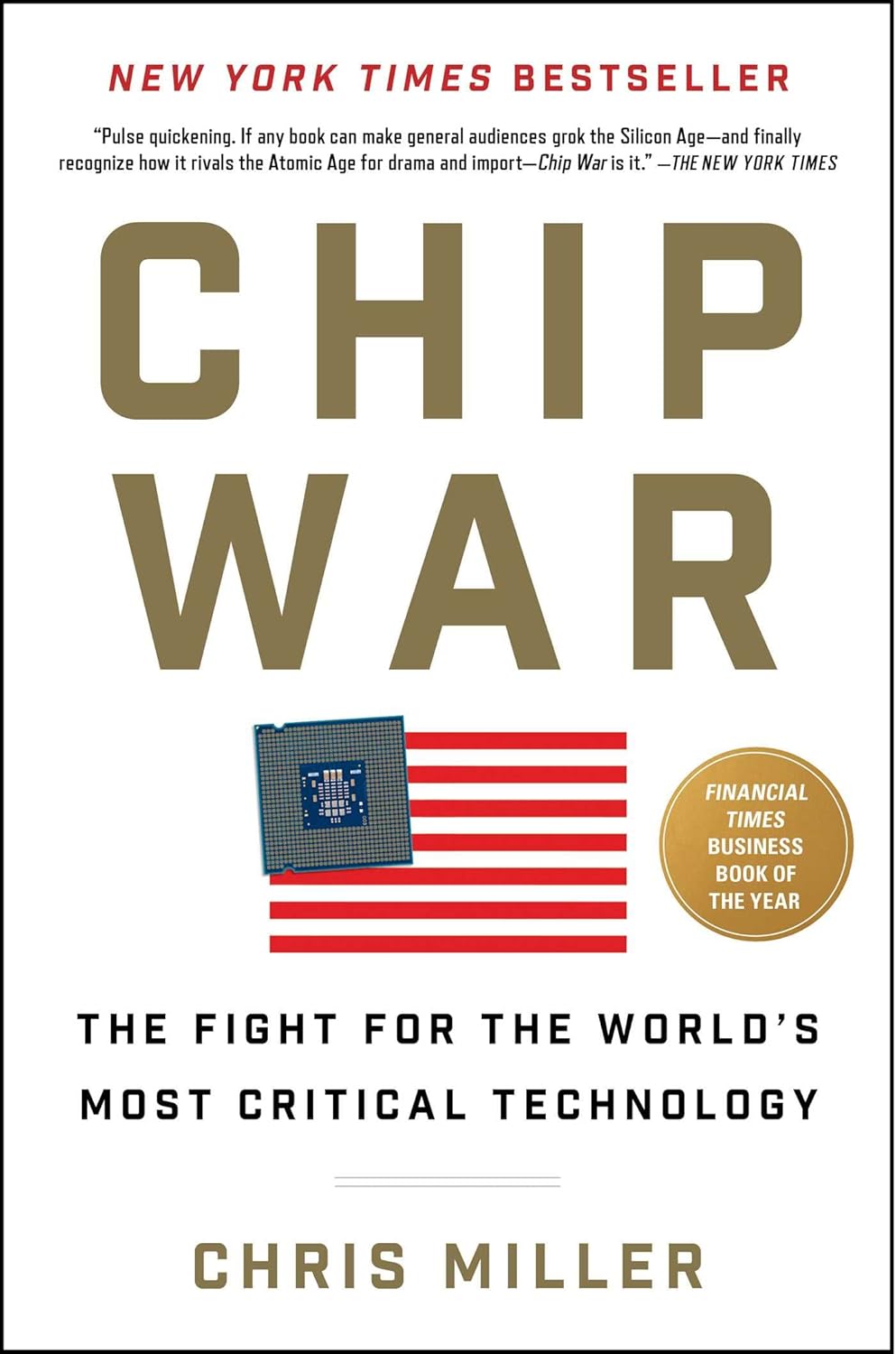
Semiconductors as the oil of the 21st century: history, espionage, and why an island of 23 million people underpins the entire AI economy.
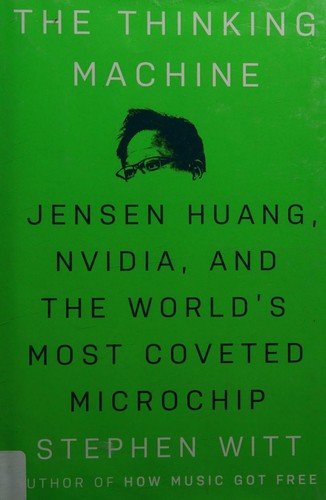
The story of NVIDIA and Jensen Huang: how a video-game card company ended up making the most coveted resource on the planet.
As an Amazon Associate, Zendoric earns from qualifying purchases; the price does not change for you. · all our recommended books →
🔗 Related on Zendoric