Gartner: data and analytics leaders must gain clarity before scaling AI agents

🕒 Published on Zendoric: July 6, 2026 · 00:04
✨ AI-generated · how it's made
This Gartner article, authored by David Pidsley, is largely promotional content (gated content aimed at generating leads through a download form), so the substantive information available is limited and fairly generic.
📚 Go deeper
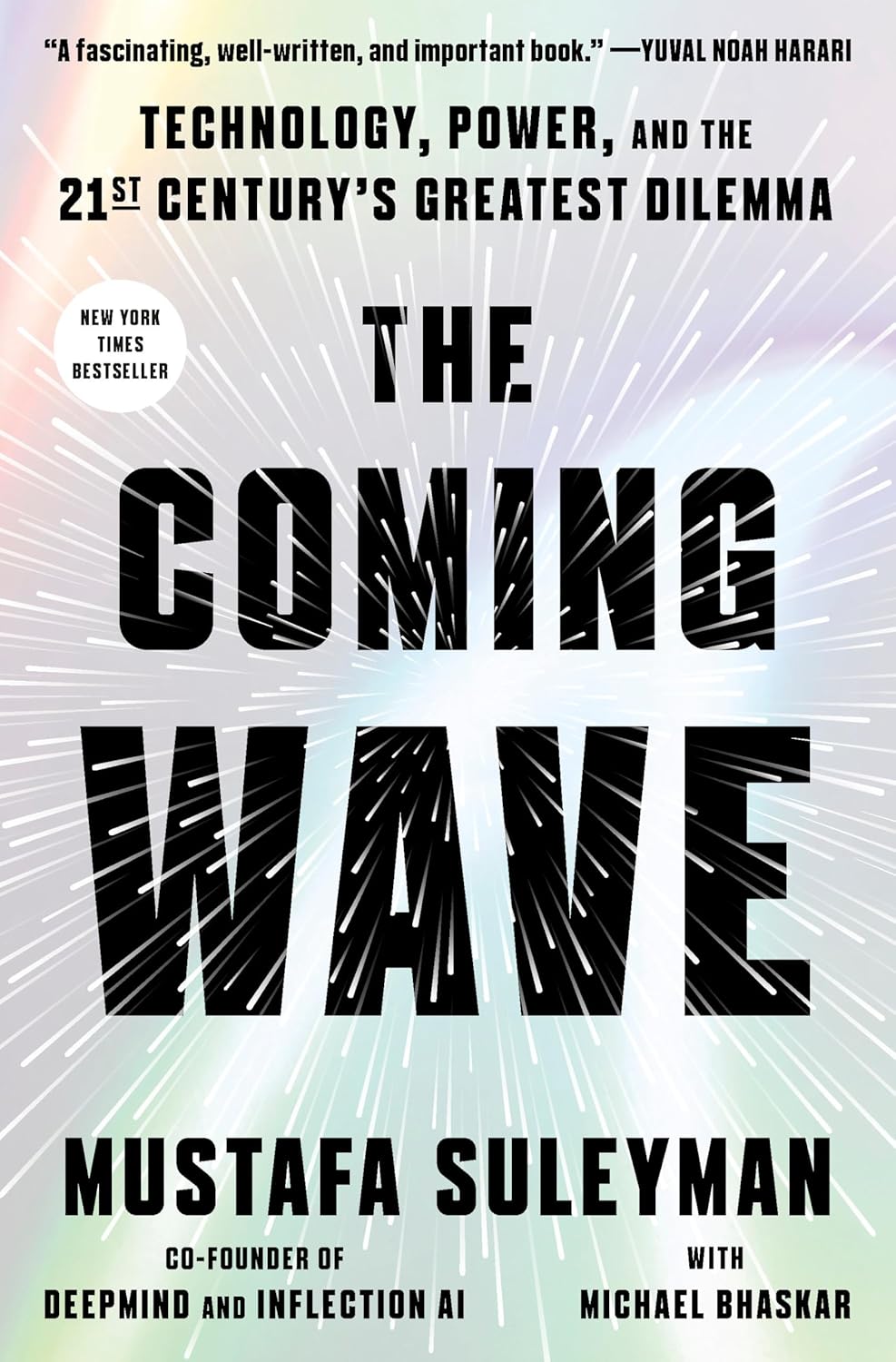
DeepMind co-founder on the dilemma of containing technologies that do not want to be contained.
As an Amazon Associate, Zendoric earns from qualifying purchases; the price does not change for you. · all our recommended books →
This Gartner article, authored by David Pidsley, is largely promotional content (gated content designed to generate leads through a download form), so the substantive information available is limited and rather generic. Even so, it contains some concrete data points and recommendations worth highlighting for the newsletter.
The starting point is a figure from Gartner's 2025 Survey of CEOs and Senior Executives: 79% of the IT leaders surveyed expect the integration of AI agents into enterprise applications to generate significant productivity gains, and 26% believe the impact will be transformational. However, Gartner points to a notable gap: Chief Data and Analytics Officers (CDAOs) and data and analytics (D&A) leaders continue to question the real value and practical viability of these agents for their teams, which contrasts with the widespread optimism among other IT leaders.
According to the article, the most frequent questions from these leaders revolve around four axes: use cases, strategy and governance, the vendor landscape and market trends, and challenges/limitations. On use cases, CDAOs are looking for concrete examples of agents that automate data ingestion, quality controls, cataloging and analytics, with the goal of freeing up their teams' time for strategic work — but they demand proof that these use cases generate real value, not just promises.
As for strategy and governance, Gartner recommends starting with pilot projects, robust governance frameworks and clear evaluation criteria before scaling. Regarding the vendor landscape, the article admits there is significant uncertainty: leaders need guidance on which vendors are credible, how solutions integrate with existing systems and which trends to watch, given that the market is evolving rapidly and missteps can be costly.
On the challenges, integration complexity, data quality, organizations' cultural readiness and governance gaps are cited as the main concerns. Gartner insists that solid frameworks, risk controls and continuous evaluation are needed to manage these limitations.
The article's central practical recommendation — and perhaps its most useful message — is not to rush: map the team's questions to concrete pilots, prioritize use cases, build governance frameworks, evaluate vendors carefully, involve teams from the outset, develop AI literacy and monitor results closely. The phrase that sums up Gartner's philosophy here is that "trust comes from evidence, not hype," and that scaling should only happen when value and viability have been demonstrated.
The article also frames this within a broader decisive moment for D&A functions: the challenge is no longer just adopting new technologies, but rethinking the purpose, structure and impact of D&A in an AI-driven enterprise. In that vein, it lists several additional steps CDAOs must address as part of the priority to "redefine D&A and AI governance": selecting and implementing governance technologies and practices; building an AI governance framework aligned with (not isolated from) the existing D&A governance program; developing a foundational value case to justify investment in governance; linking trust initiatives to innovation and ROI to secure buy-in from business leaders; communicating risks and urgency to the board and business peers; establishing a data, analytics and AI governance committee; identifying and updating best practices to cover the new requirements of agentic AI; and creating outcome-oriented metrics that demonstrate progress and business value.
It is important to note to the reader that this article is essentially a Gartner marketing teaser: most of the downloaded content consists of site navigation menus, lead-capture forms and references to paid products (Hype Cycle, Magic Quadrant, analyst reports), rather than extensive analysis or proprietary primary data beyond the 79%/26% figure cited. There are no detailed case studies, concrete ROI metrics, or vendor or client names explicitly mentioned in the accessible body of the article. Its value for the newsletter is therefore more as a reminder of the right questions data leaders should ask before scaling AI agents, and as confirmation that even Gartner — highly favorable to AI adoption in general — insists on controlled pilots, upfront governance and evidence over enthusiasm.
📚 Go deeper

The best starting book if you're not technical: a Wharton professor explains how to work WITH AI — when to delegate, when to supervise, when to keep i

The reference manual for building products on top of AI models: prompts, RAG, fine-tuning, agents, evaluation and deployment.
As an Amazon Associate, Zendoric earns from qualifying purchases; the price does not change for you. · all our recommended books →
🔗 Related on Zendoric
- Gartner presents a webinar on its 2026 Magic Quadrant for enterprise AI coding agents · 2026-07-06
- China would allow its large AI companies to buy a limited quantity of Nvidia H200 chips · 2026-07-10
- Apple reportedly preparing the M7 Ultra with up to 1.5 TB of RAM for on-device AI (rumor for 2029) · 2026-07-15
Sources & references
- gartner.com — Gartner: data and analytics leaders must gain clarity before scaling AI agents
- gartner.com — Gartner webinar: what CIOs need to know about AI agents (registration, not an article)
- gartner.com — Gartner presents a webinar on its 2026 Magic Quadrant for enterprise AI coding agents
- gartner.com — Gartner: the enterprise AI coding agents market surges, demanding discipline in costs and governance