154,000 Tech Layoffs and Counting: AI Isn't Just Cutting Costs, It's Rewiring Work

🕒 Published on Zendoric: July 4, 2026 · 00:29
✨ AI-generated · how it's made
Tech layoffs are closing in on 154,000 in 2026, with companies pointing to AI-driven restructuring. But strip away the headline number and a more interesting story appears: this isn't just cost-cutting, it's a reallocation of what work actually matters.
📚 Go deeper
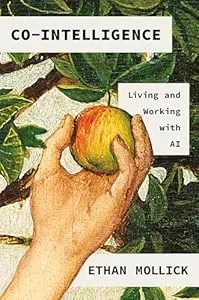
The best starting book if you're not technical: a Wharton professor explains how to work WITH AI — when to delegate, when to supervise, when to keep i
As an Amazon Associate, Zendoric earns from qualifying purchases; the price does not change for you. · all our recommended books →
The reported facts are stark: tech layoffs are approaching 154,000 in 2026, and companies are framing the cuts as AI-driven restructuring rather than simple downturn belt-tightening. That framing itself is worth pausing on — "restructuring" is the language of reorganizing around a new production model, not just trimming payroll in a bad quarter.
Context matters here. Our consistent read is that AI's employment impact is real, uneven, and concentrated. The most exposed roles are routine, administrative, and back-office work — the tasks that large models now do cheaply and at scale. What resists are judgment, relationships, integration, and the messy human-in-the-loop work that doesn't compress into a prompt. Even inside tech, the pattern holds: the roles that gain are those that architect systems, govern security, and integrate AI into products; the roles that shrink are the repeatable ones.
The short-term impact is genuinely painful, and we won't sugarcoat it. A number like 154,000 represents careers interrupted, teams gutted, and a labor transition that's arriving faster than most reskilling programs can absorb. When a company attributes cuts to AI, that's also a claim worth scrutinizing — "AI made us do it" can double as convenient cover for over-hiring in prior years or for margin pressure that has little to do with any model. The honest position is that both forces are real and tangled together.
Our reading: this is what a transition looks like from the inside — not a clean upgrade, but a reshuffling of which work is scarce and valuable. The layoff figure is the visible cost of that reallocation, and it deserves to be counted honestly. But the deeper signal is that companies now believe AI changes the shape of the org chart, not just its size. The long-term bet we hold to is that automating routine labor eventually frees human effort for higher-judgment, more creative, more human work — and, further out, toward genuine abundance. Getting there, though, runs straight through disruptions exactly like this one. The policy question isn't how to stop the change; it's how to cushion the people caught in the gap between the jobs disappearing now and the ones that haven't fully arrived yet.
📚 Go deeper
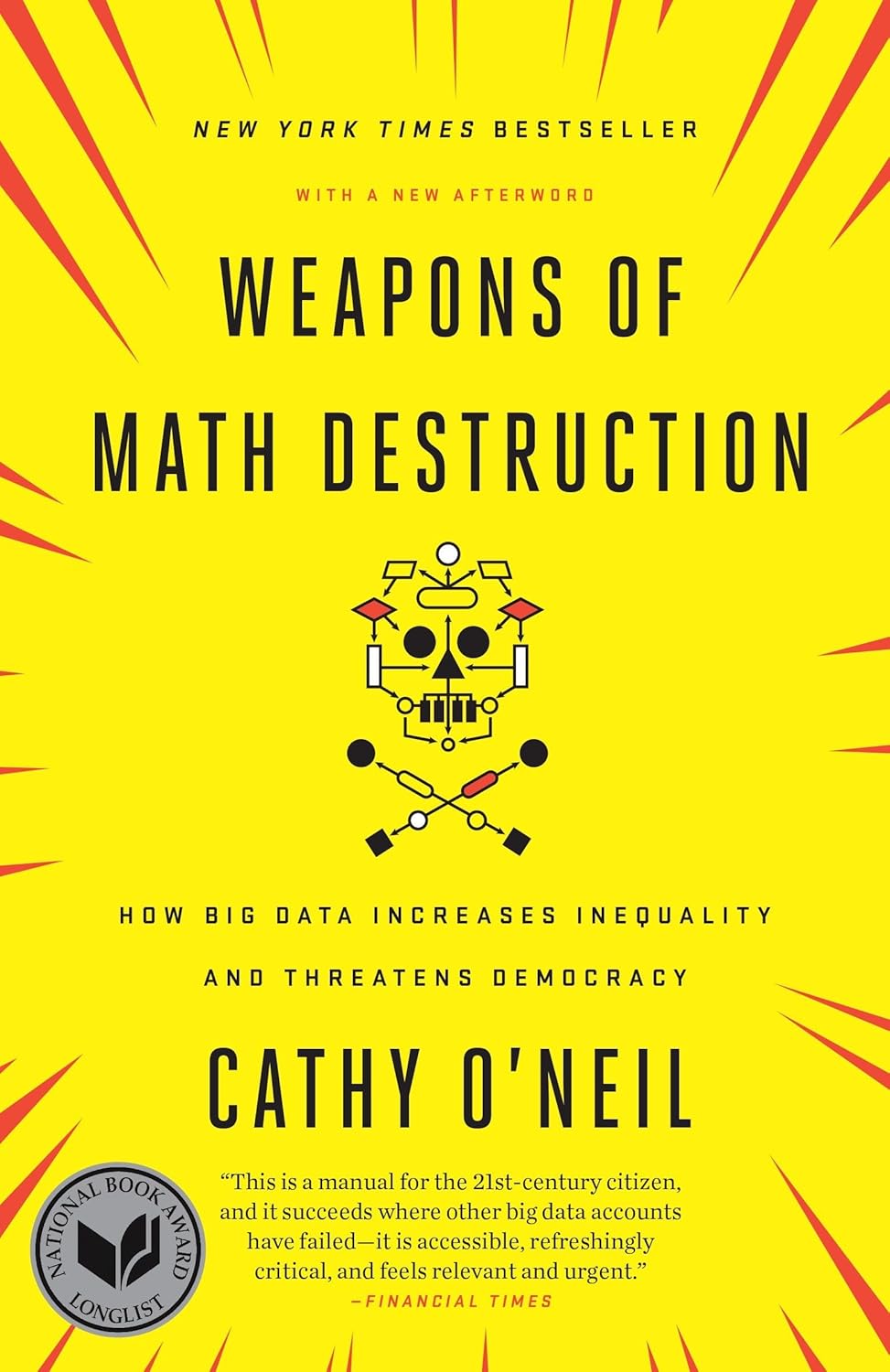
How opaque algorithms decide who gets credit, a job or parole — and why they tend to punish the same people.

AI as the latest chapter in the history of information networks, from gossip to the printing press to the algorithm.
As an Amazon Associate, Zendoric earns from qualifying purchases; the price does not change for you. · all our recommended books →
🔗 Related on Zendoric