Sony will eliminate PlayStation discs in 2028: what it means for video game preservation

🕒 Published on Zendoric: July 3, 2026 · 01:20
✨ AI-generated · how it's made
Sony has announced that starting in January 2028 it will stop manufacturing physical PlayStation discs, which means all new PS5 games will be sold exclusively in digital format.
📚 Go deeper
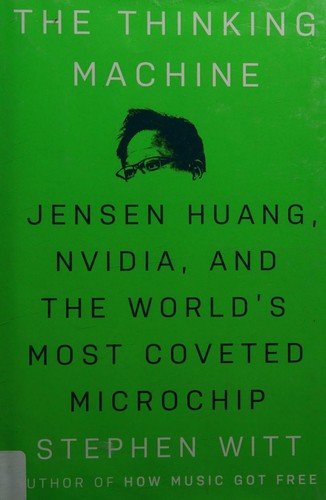
The story of NVIDIA and Jensen Huang: how a video-game card company ended up making the most coveted resource on the planet.
As an Amazon Associate, Zendoric earns from qualifying purchases; the price does not change for you. · all our recommended books →
Sony has announced that starting in January 2028 it will stop manufacturing physical PlayStation discs, meaning all new PS5 games will be sold exclusively in digital format. Simultaneously, the company announced the gradual closure of the PS3 and PS Vita digital stores, a move that, as The Verge's article points out, perfectly illustrates one of the biggest problems of a disc-free future: when digital stores close, the games disappear with them.
The author, Andrew Webster, frames this decision as predictable given that consumption has already shifted overwhelmingly toward digital. He cites recent financial data from Sony indicating that around 80% of PS5 games sold are digital. On top of this, Rockstar Games announced that the next installment of Grand Theft Auto VI will arrive at physical stores in November only as a box with a download code, without a real physical disc, reinforcing the industry-wide trend.
The article acknowledges the advantages of the digital format for players: the ability to preload downloads, keep extensive libraries on a single console and take advantage of frequent deals. However, there are also obvious disadvantages, such as the impossibility of reselling used games or lending them to friends. From the publishers' perspective, the digital model is more profitable as it eliminates physical production costs.
The central point of the analysis, however, is the hidden impact of this transition on the preservation of video games as a cultural medium. The text recalls that back in 2023 the Video Game History Foundation warned that 87% of classic games—defined as those released before 2010—were 'critically endangered.' The 2010 cutoff date is no coincidence: it coincides with the rise of digital stores, a phenomenon that, according to the cited report itself, will worsen the problem over time due to the low diversity of re-release sources and the long-term volatility of digital stores.
The article gives concrete examples of this phenomenon: just two years ago Nintendo closed the Wii U and Nintendo 3DS digital stores, leaving digital-exclusive titles such as BoxBoy inaccessible, even for anyone who buys a 3DS console today. Until now this problem seemed minor because of the small number of digital-exclusive games on those platforms, but with the sector's massive shift toward digital—including enormous releases such as GTA VI—the scale of the problem changes radically.
According to the author, starting in 2028 every PlayStation game will, in practice, have an expiration date: the moment Sony decides to close the PS5 digital store, a large number of games—not just minor titles, but also major commercial hits—will become legally inaccessible.
The text mentions some existing palliative efforts, such as the ability offered by modern consoles (notably Xbox) to transfer digital libraries between devices, or GOG's PC program dedicated to keeping old games playable on modern hardware. However, it stresses that these efforts, while valuable, are insufficient: there are obvious gaps, such as the case of mobile games, extremely popular yet rarely preserved except by fan projects. Moreover, and this is key, these initiatives depend entirely on the goodwill of the platforms themselves: as soon as a company decides to close a store or stop providing cross-generation support, the games are once again placed beyond users' legal reach. The article notes, in passing, that this is not a problem exclusive to video games, as streaming is generating a similar effect in film.
Finally, the author acknowledges that physical preservation is not a perfect solution either: discs and cartridges degrade over time and require specific hardware to work. Even so, he argues that they give players and preservationists a greater degree of control over how to collect, share and preserve these experiences, without depending on the unilateral decisions of manufacturers such as Sony. The article's conclusion is emphatic: keeping old games alive is already a very difficult task, and starting in 2028 the problem will only get worse.
📚 Go deeper

Semiconductors as the oil of the 21st century: history, espionage, and why an island of 23 million people underpins the entire AI economy.
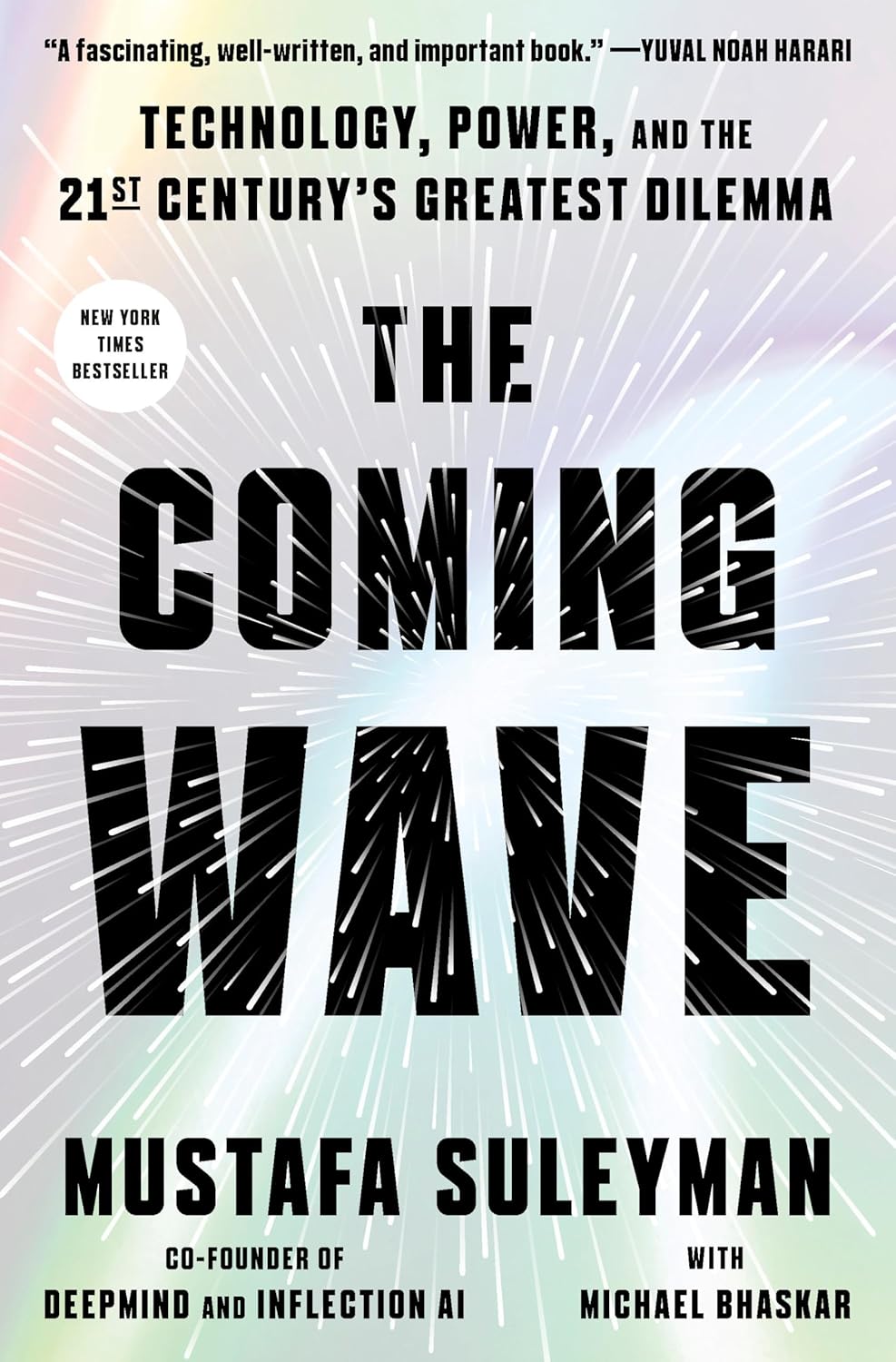
DeepMind co-founder on the dilemma of containing technologies that do not want to be contained.
As an Amazon Associate, Zendoric earns from qualifying purchases; the price does not change for you. · all our recommended books →
🔗 Related on Zendoric
- UCLA Health bets on AI for cancer detection: another sign that precision medicine is no longer just a promise · 2026-06-26
- Apple's Lawsuit Against OpenAI Shows Hardware, Not Models, Is AI's Next Battlefield · 2026-07-10
- Zeitgeist: when AI knows too much — data moats, the Jevons paradox, open source, voice and on-prem chips · 2026-07-10