Apple's Lawsuit Against OpenAI Shows Hardware, Not Models, Is AI's Next Battlefield

🕒 Published on Zendoric: July 10, 2026 · 00:24
✨ AI-generated · how it's made
Apple has sued OpenAI, alleging a months-long scheme to poach engineers and lift trade secrets for its planned AI hardware device. Beyond the courtroom drama, the suit reveals that the fight over physical AI devices may be even more brutal than the model race — and that talent, supply chains and manufacturing know-how are now the crown jewels.
📚 Go deeper
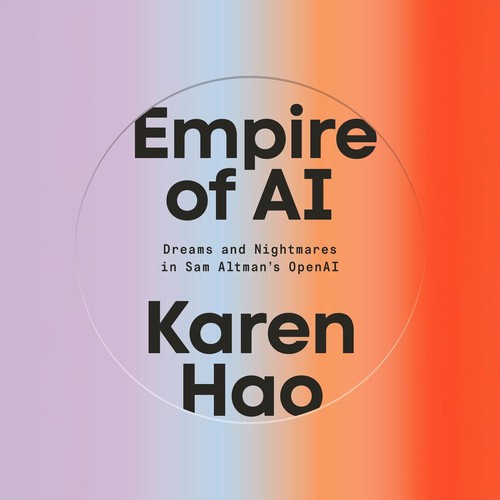
The definitive piece of investigative journalism on OpenAI: 260+ interviews, the clash between safety and speed, and the attempted firing of Sam Altma
As an Amazon Associate, Zendoric earns from qualifying purchases; the price does not change for you. · all our recommended books →
Apple has filed suit in the Northern District of California accusing OpenAI of stealing trade secrets and intellectual property to build an AI hardware device. According to the complaint, OpenAI's hardware lead Tang Tan and former electrical engineer Chang Liu — both ex-Apple — allegedly directed Apple employees interviewing at OpenAI to hand over details on unreleased devices, components, manufacturing processes and vendor relationships. Apple claims a pattern of departing recruits emailing themselves confidential files, of interviewees being told to "bring some parts" like batteries and logic boards to interviews, and of one supplier being persuaded to use a proprietary metal-finishing technique under the false premise of Apple's permission. Apple says it first contacted OpenAI in February, got no response, and calls OpenAI's hardware business "rotten to its core." These are Apple's allegations; OpenAI has not yet responded publicly, and none of it has been tested in court.
Even read cautiously — as one company's accusations, not proven fact — the filing is revealing. The most-quoted contest in AI is about models: who tops the benchmarks, who ships the smartest agent. But this suit is about atoms, not weights. It is about who knows which vendor can machine a casing, which SiP layout survives thermal stress, how a battery is packaged into something people will wear. That knowledge doesn't live in a training run; it lives in the heads of a few hundred engineers and in the muscle memory of a supply chain Apple spent two decades building.
The context matters. OpenAI is widely understood to be racing toward a consumer AI device — the effort tied to Jony Ive's involvement — and Apple frames the alleged theft as the shortcut of a company "under pressure to debut" hardware it cannot yet build organically. Whether or not the specific claims hold up, the structural pressure is real: software-first AI firms have world-class models and no factories, while Apple has factories and a late model story. Each covets what the other has, and the talent flowing from Cupertino to San Francisco carries tacit knowledge that is nearly impossible to cleanly separate from "trade secrets." That is precisely the ambiguity trade-secret law struggles with, and why cases like this are messy.
Our reading: this is what a maturing industry looks like. When a technology moves from lab demos to shipped products, the fight shifts from ideas to execution — supply chains, manufacturing tolerances, vendor exclusivity — and the litigation follows the money. For the near term, expect more of this friction: talent wars, non-competes, and lawsuits as the frontier labs try to become device makers overnight while incumbents defend the moats they dug the slow way. It is a genuinely ugly, transitional phase, and it will slow some players down.
But step back and the longer arc is encouraging. Competition to put capable AI into a well-made physical device — one that could eventually monitor health, assist the disabled, or act as a genuinely useful everyday agent — is competition worth having. The risk is that it concentrates into a two- or three-company slugfest decided by lawyers and exclusive supplier deals rather than by who serves people best. The opportunity is that the pressure Apple describes, the pressure to actually ship, is the same pressure that turns speculative AI capability into tools ordinary people can hold in their hands. We would rather see that race run on open engineering and honest hiring than on covert document dumps — and courts drawing a clear line here, whichever way this particular case goes, is how the industry learns to compete on merit instead of misappropriation.
📚 Go deeper
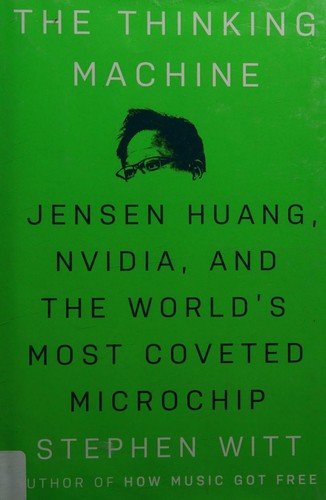
The story of NVIDIA and Jensen Huang: how a video-game card company ended up making the most coveted resource on the planet.
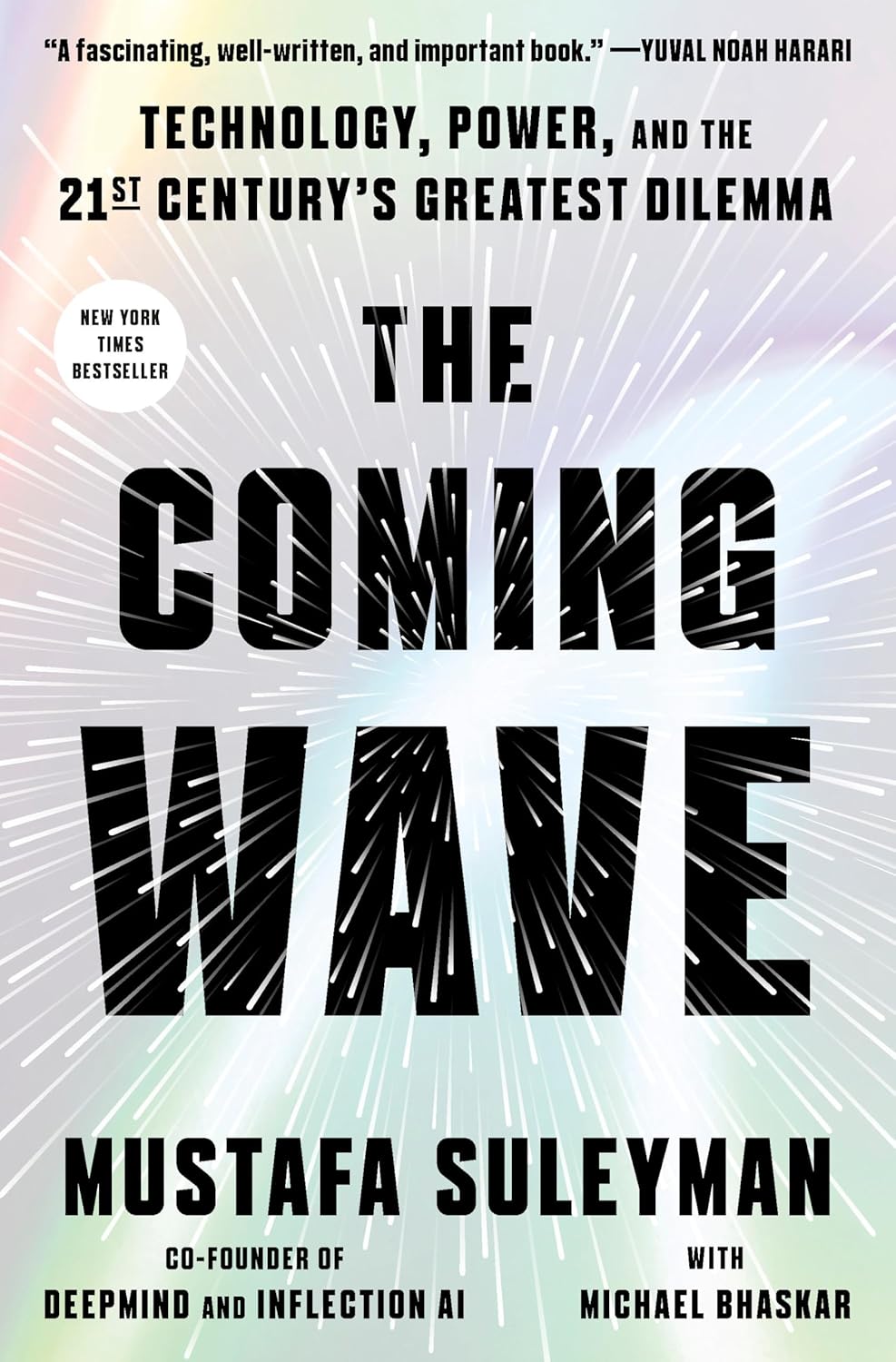
DeepMind co-founder on the dilemma of containing technologies that do not want to be contained.
As an Amazon Associate, Zendoric earns from qualifying purchases; the price does not change for you. · all our recommended books →
🔗 Related on Zendoric