Singapore seizes a $42 million mansion linked to Nvidia chip smuggling

🕒 Published on Zendoric: July 3, 2026 · 01:20
✨ AI-generated · how it's made
Singapore police have confiscated a luxury home valued at 55 million Singapore dollars (about 42.5 million U.S. dollars), allegedly acquired largely with funds from the illegal smuggling of Nvidia artificial intelligence chips.
📚 Go deeper
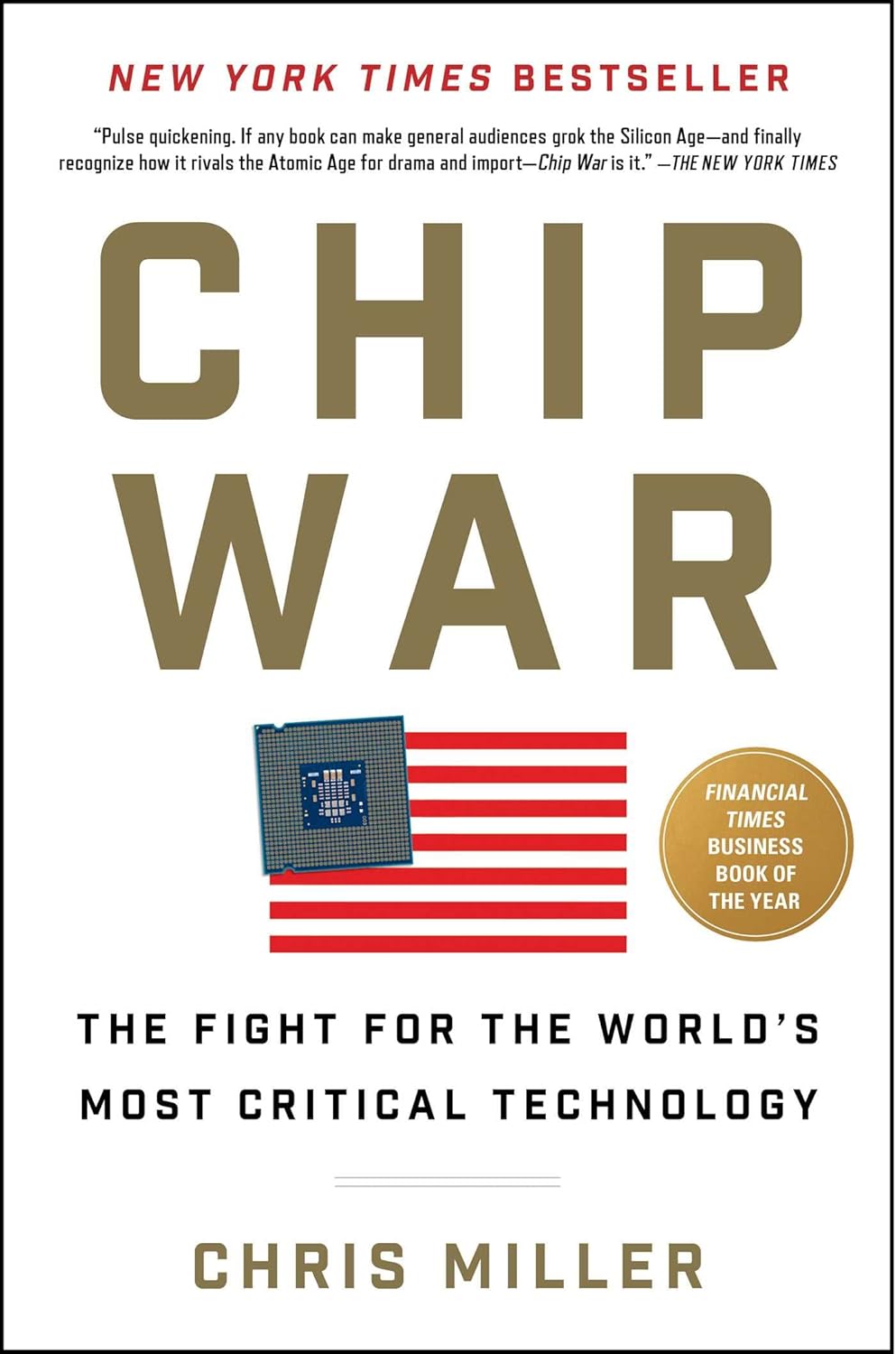
Semiconductors as the oil of the 21st century: history, espionage, and why an island of 23 million people underpins the entire AI economy.
As an Amazon Associate, Zendoric earns from qualifying purchases; the price does not change for you. · all our recommended books →
Singapore police have seized a luxury home valued at 55 million Singapore dollars (about 42.5 million US dollars), allegedly acquired in large part with funds from the illegal smuggling of Nvidia artificial intelligence chips. According to authorities, at least two-thirds of the property's purchase price —around 38 million Singapore dollars— came from illicit gains linked to this scheme.
The mansion, located in an exclusive area near the Singapore Botanic Gardens, is part of a broader investigation into the illegal trade of servers containing advanced Nvidia chips, which are subject to export controls by the United States. Washington has in the past identified Singapore as a key transit point for concealing illegal shipments of these components to China, amid geopolitical tensions over technological dominance in AI.
The main defendant, Wei Zhaolun (also known as Alan Wei), CEO of Aperia Group —a company that sells servers and technology hardware— faces money laundering charges. According to police, the money used to buy the property came from the illicit gains generated by this operation. In addition to the mansion, authorities have seized around one million Singapore dollars in bank accounts.
The case, which dates back to February 2025, already involves four defendants charged with fraud and other related offenses. According to police, these individuals allegedly placed orders for servers with international suppliers —identified as Dell, Super Micro Computer and Asus— falsely claiming that the hardware would be used by the companies they worked for. The final destination of the shipments has not been disclosed, although suspicion points, as in previous cases, to possible re-export to China while evading US controls.
A particularly notable aspect is that, alongside the four individuals, several companies have also been charged —Luxuriate Your Life and three subsidiaries of Aperia Group—, which, according to police, is the first time corporate entities have been prosecuted in this type of investigation in Singapore. This could set an important precedent in how the country pursues these kinds of crimes, extending criminal liability beyond individuals to the corporate structures that facilitate these operations.
If found guilty of fraud, the four defendants could face sentences of up to 20 years in prison. Singapore authorities have reiterated their "zero-tolerance stance" toward this type of crime, underscoring their commitment to the country's integrity as a trusted global business hub.
The backdrop to this case is part of the joint offensive by the United States and Singapore against the smuggling of Nvidia chips since Washington restricted their export in 2022, citing the risk that these components could be used by the Chinese military. Back in 2025, Singapore authorities had warned that servers with chips subject to US export controls had transited through the country. Since then, the United States has partially eased its stance, approving the sale of some Nvidia semiconductors to China under certain conditions, adding a note of regulatory ambiguity to the context in which these court cases are unfolding.
This episode illustrates the structural tensions running through the global AI hardware supply chain: on one hand, Washington's attempt to curb China's access to advanced technology; on the other, the persistence of networks that exploit commercial hubs such as Singapore to circumvent these restrictions. The seizure of high-value luxury assets, and the novelty of criminally prosecuting the companies themselves, suggests that Southeast Asian authorities are seeking to toughen their response to the use of their territory as a platform for technological triangulation.
📚 Go deeper
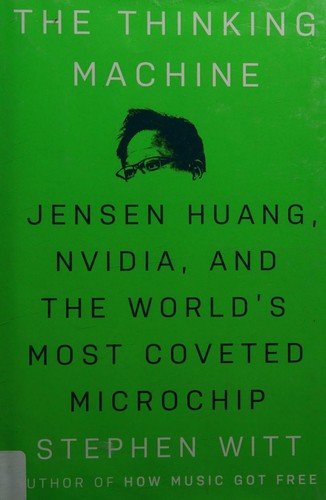
The story of NVIDIA and Jensen Huang: how a video-game card company ended up making the most coveted resource on the planet.
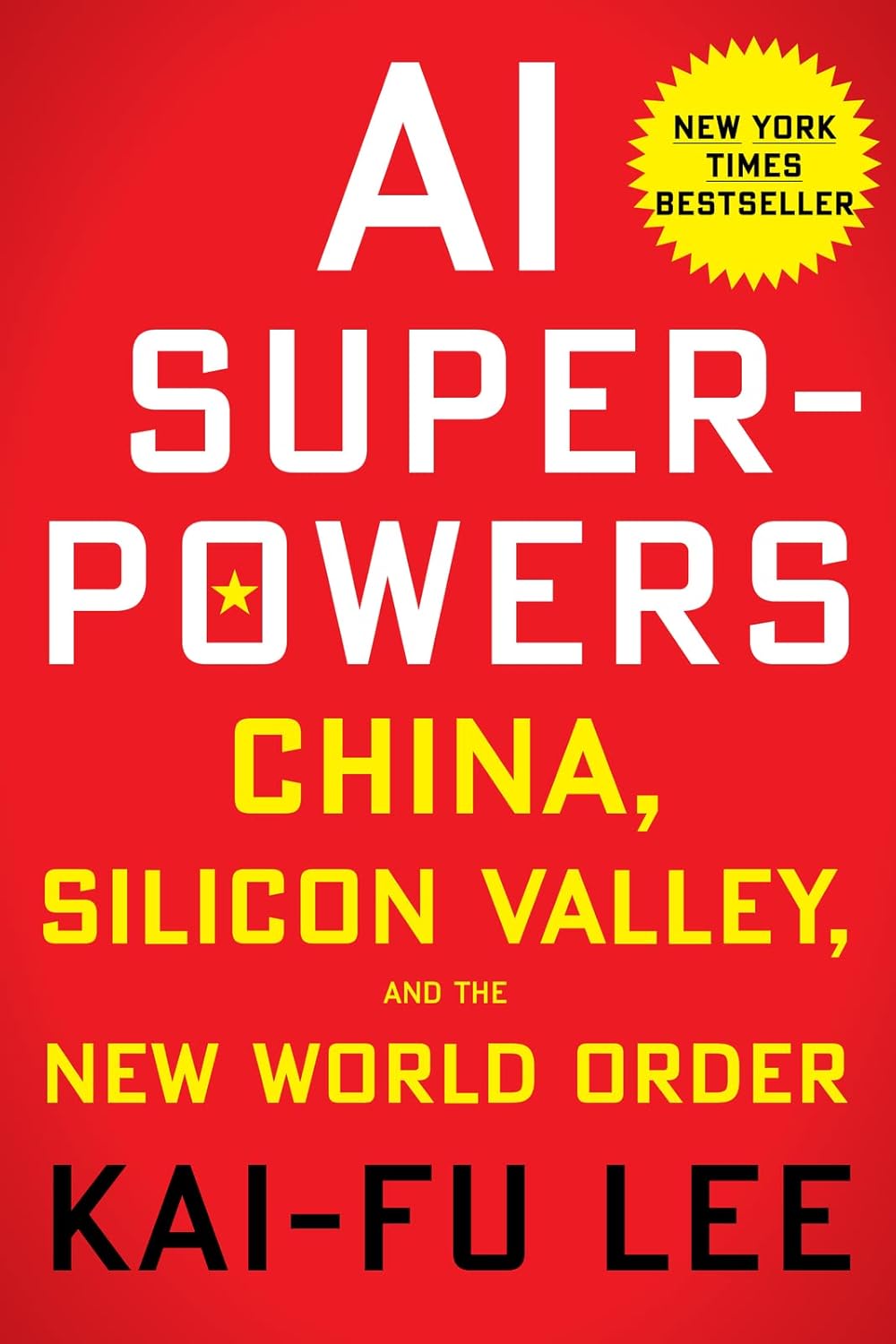
China vs.
As an Amazon Associate, Zendoric earns from qualifying purchases; the price does not change for you. · all our recommended books →
🔗 Related on Zendoric
- The U.S. accuses China's Moonshot AI of using banned Nvidia chips to train its Kimi K3 model · 2026-07-25
- AI surveillance catches 44 impersonators at a public exam in India: the double-edged sword of biometric control · 2026-07-05
- AI cameras to detect weapons in schools: a useful patch that doesn't solve the underlying question · 2026-07-17