SpaceX is preparing a phone-like AI device, according to the WSJ

🕒 Published on Zendoric: July 3, 2026 · 01:20
✨ AI-generated · how it's made
The Wall Street Journal reports that SpaceX has shown investors and stakeholders a prototype of a "handset-like" AI device, described as thinner and sleeker than an iPhone, sitting halfway between a small touchscreen phone and the failed Rabbit R1.
📚 Go deeper
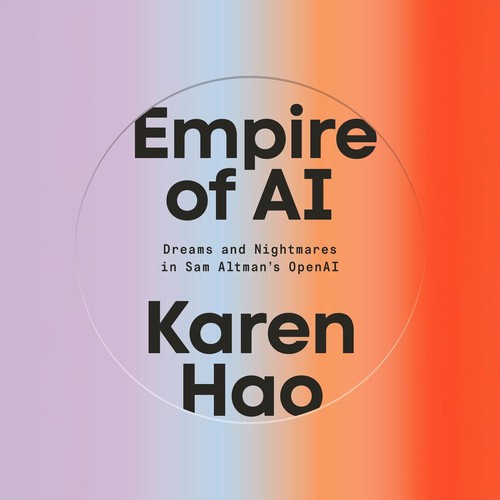
The definitive piece of investigative journalism on OpenAI: 260+ interviews, the clash between safety and speed, and the attempted firing of Sam Altma
As an Amazon Associate, Zendoric earns from qualifying purchases; the price does not change for you. · all our recommended books →
The Wall Street Journal reports that SpaceX has shown investors and stakeholders a prototype of a "handset-type" AI device, described as thinner and sleeker than an iPhone, sitting halfway between a small touchscreen phone and the failed Rabbit R1. According to the report, SpaceX reportedly presented this device ahead of going public, clarifying that the design is at an early stage and could change. Elon Musk has denied the information, calling it "completely false."
Beyond Musk's denial, the TechCrunch article suggests the move would make strategic sense. SpaceX and its sister company Tesla have the manufacturing expertise needed to mass-produce this type of device, as well as access to the chips required for on-device computing. Added to this is the interest SpaceX has already expressed in expanding into the wireless sector through Starlink Mobile, positioning itself as a potential competitor to Verizon and AT&T; one analyst even speculated that T-Mobile or AT&T could be attractive acquisition targets for the rocket company, though such a purchase would be very costly.
A relevant detail is that, according to the report, the prototype would run on a proprietary operating system and integrate technology from xAI, Musk's artificial intelligence company that SpaceX acquired this year. This would prevent the device from being trapped within third-party platforms such as Google's Android, pointing toward the creation of entirely new native AI interfaces.
The article frames this move within a narrative of technological rivalry: OpenAI is working with Jony Ive, Apple's former design chief, on its own AI device, which Sam Altman has described as more "peaceful" than an iPhone. However, reports from last fall suggest that OpenAI has struggled to define the product's details, which led to the addition of another Apple executive—Paul Meade, previously in charge of the Vision Pro—to the company's hardware team. TechCrunch's implicit reading is that if OpenAI is developing a device of this kind, Musk would want to try to do it better.
Nonetheless, the article itself introduces an important note of caution: it is not clear whether SpaceX is simply exploring ideas with no real commitment to production, or whether it will indeed seek to manufacture and market the device at scale. It also recalls that the recent track record of standalone AI devices has been something of a graveyard of failures, citing the cases of Humane and Rabbit as examples that corporate interest in selling such a device does not guarantee that consumers will want to buy it.
Ultimately, this is news based on a third-party report (WSJ) that Musk has publicly denied, so it is advisable to take the prototype's details with caution until there is official confirmation or more verifiable information.
📚 Go deeper
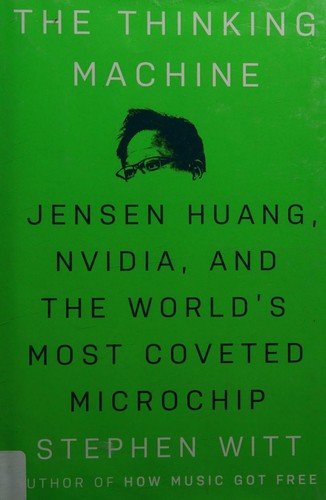
The story of NVIDIA and Jensen Huang: how a video-game card company ended up making the most coveted resource on the planet.

The best starting book if you're not technical: a Wharton professor explains how to work WITH AI — when to delegate, when to supervise, when to keep i
As an Amazon Associate, Zendoric earns from qualifying purchases; the price does not change for you. · all our recommended books →
🔗 Related on Zendoric
- Google DeepMind enters A24 with 75 million: the bet isn't on generating movies, but on the tools that will make them · 2026-06-24
- OpenAI's 2027 'AI Agent Phone': Ambition to Own the Device, Not Just the App · 2026-07-06
- OpenAI is reportedly preparing its first device: a screenless speaker that can move · 2026-07-16