AI that acts without human oversight: the UN points to the real problem of this decade, not the sci-fi one

🕒 Published on Zendoric: July 2, 2026 · 08:26
✨ AI-generated · how it's made
The UN warns of a new generation of AI systems capable of acting autonomously, without direct human intervention at every step. It's a legitimate concern, but the key lies in the details that are yet to be known.
📚 Go deeper

The definitive piece of investigative journalism on OpenAI: 260+ interviews, the clash between safety and speed, and the attempted firing of Sam Altma
As an Amazon Associate, Zendoric earns from qualifying purchases; the price does not change for you. · all our recommended books →
By Milenio · July 1, 2026.
The news, as it arrives, is brief: the UN has warned about a new generation of artificial intelligence systems capable of operating autonomously, that is, with less direct human oversight in decision-making. We do not have here the details of the report, the specific body within the United Nations issuing it, nor the concrete examples or the timeline the warning is working with, so it is worth being honest about the limits of what we can comment on rigorously.
That said, the substance of the matter is real and deserves context. What is usually called 'agentic AI' —systems that not only answer a question but chain together steps, use tools, access the internet or other systems and carry out tasks from start to finish without a human approving each step— has gone in just a couple of years from being a curious demo to being integrated into corporate, financial and critical-infrastructure environments. That leap in capability is exactly what worries regulators and international bodies: not the science fiction of an AI that rebels, but something more mundane and already present —cascading errors, automated decisions without clear traceability, or the use of these systems for fraud and manipulation at scale— that we have already seen emerging in the cybersecurity arena.
Our take is that this kind of institutional warning almost always arrives late relative to the technology it aims to regulate, and that is part of the structural problem: governance reacts once the capability is already deployed, not before. That does not invalidate the warning; on the contrary, it reinforces the urgency of having clear frameworks for oversight, auditing and accountability before the autonomy of these systems becomes widespread in sectors where a failure has serious consequences —health, finance, infrastructure. In the short term, the challenge is precisely that: building safety guardrails at the pace at which autonomy is deployed, not afterward.
In the long term, however, well-governed autonomy is also what allows AI to stop being a tool that must be operated step by step and become a collaborator capable of solving complex problems on its own —medical diagnoses, scientific research, resource management— freeing up human time for what truly matters. The challenge is not to halt autonomy, but to govern it with the same seriousness with which people have begun to warn about it. When more details of the report or the UN's specific position emerge, it will be time to analyze whether the proposals measure up to the problem they describe.
📚 Go deeper
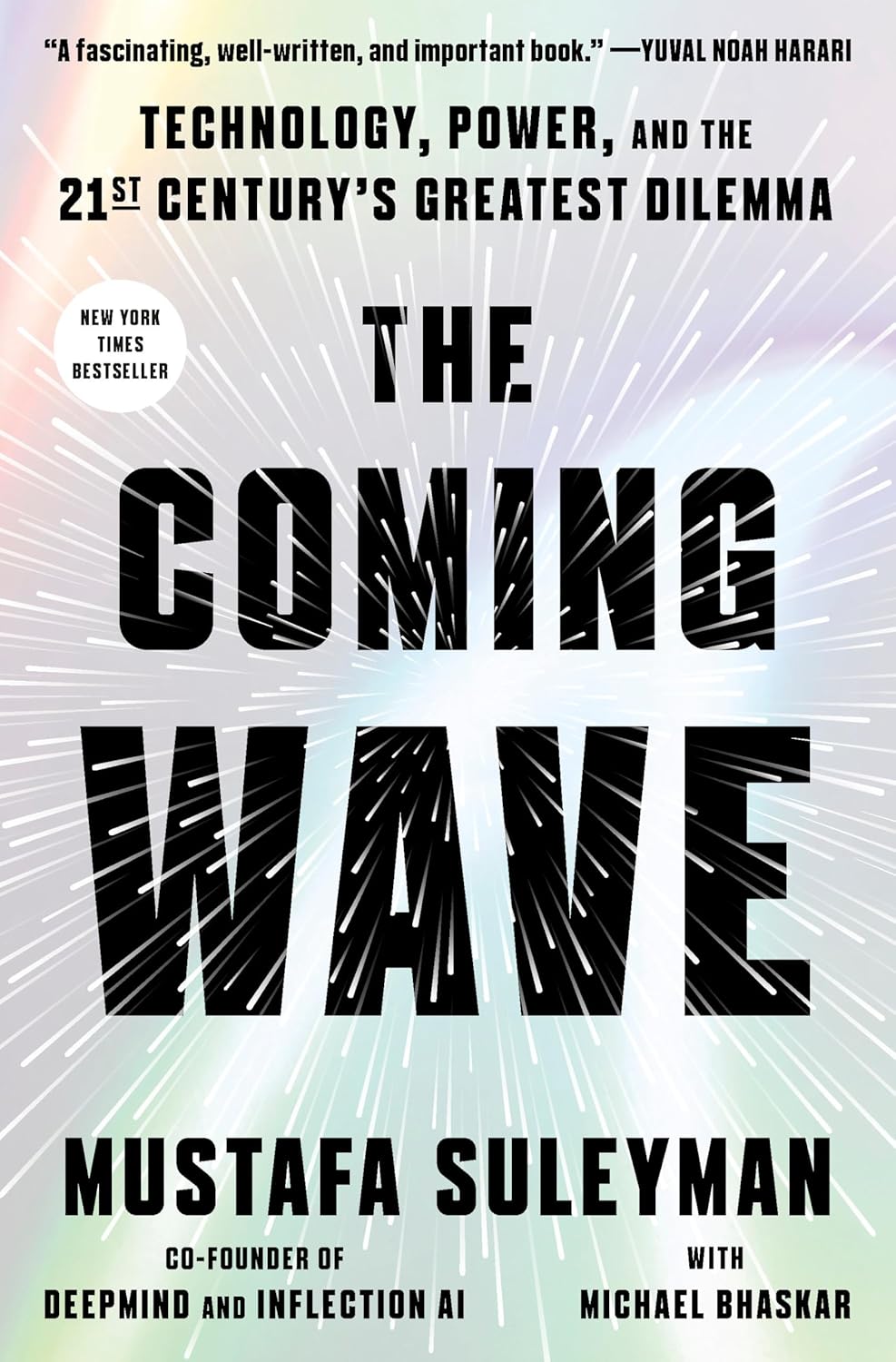
DeepMind co-founder on the dilemma of containing technologies that do not want to be contained.
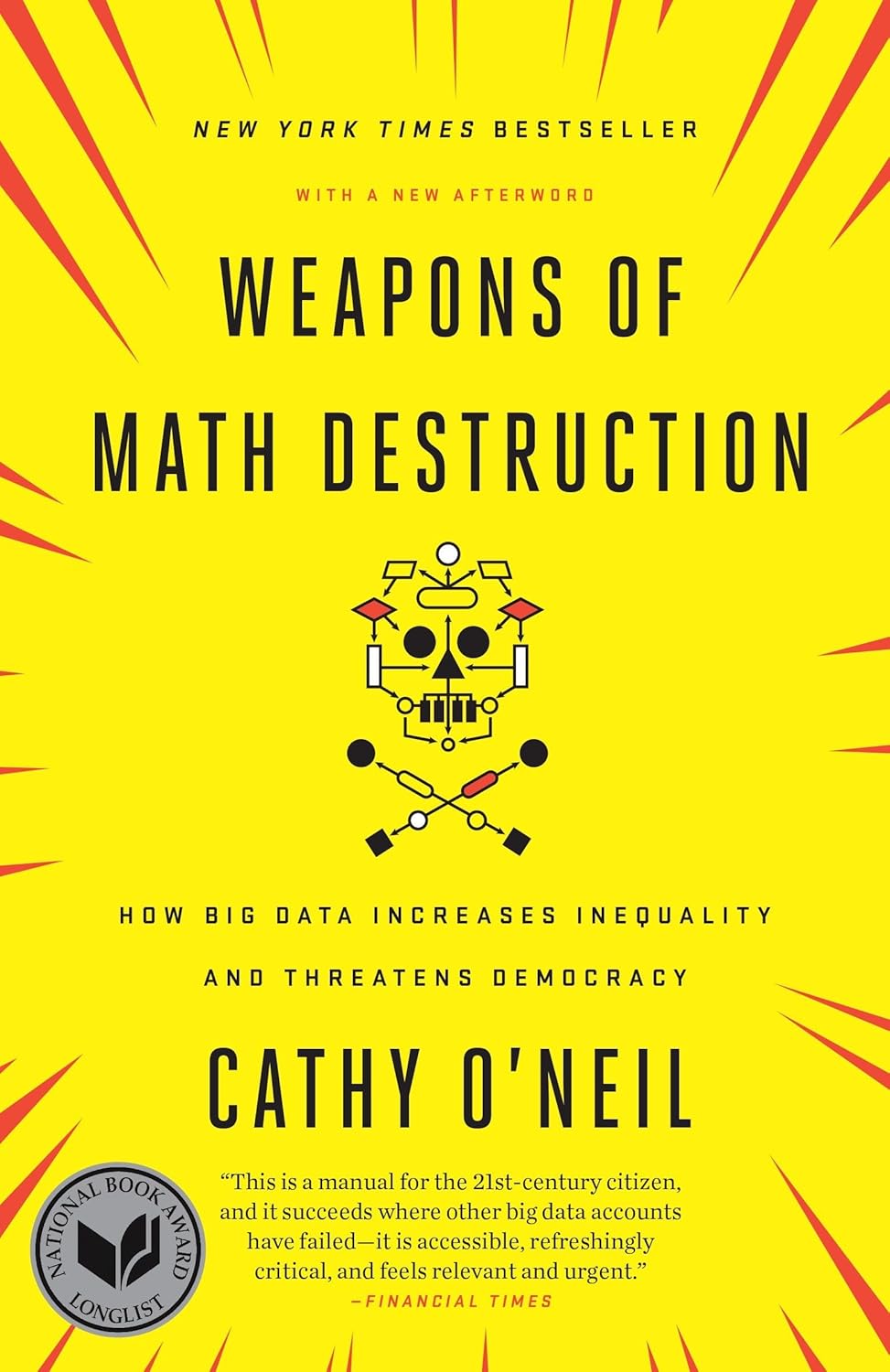
How opaque algorithms decide who gets credit, a job or parole — and why they tend to punish the same people.
As an Amazon Associate, Zendoric earns from qualifying purchases; the price does not change for you. · all our recommended books →
🔗 Related on Zendoric
- AI cheating reaches the Ivy League: the problem isn't the chatbot, it's what we measure as learning · 2026-07-10
- When anxiety reaches AI engineers themselves: the fear of AI designing AI · 2026-07-20
- Coinbase lets its AI agents get paid in USDC without human intervention: the plumbing of machine money starts to be built · 2026-07-24