Goldman Sachs's 15-Million-Job Forecast: The Disruption Is Real, the Endgame Need Not Be Grim

🕒 Published on Zendoric: June 27, 2026 · 09:00
✨ AI-generated · how it's made
Goldman Sachs projects that AI will eliminate 15 million US jobs. The headline number is alarming—but it describes a transition to be managed, not a destiny to be feared.
📚 Go deeper
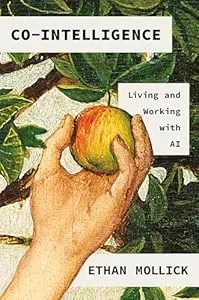
The best starting book if you're not technical: a Wharton professor explains how to work WITH AI — when to delegate, when to supervise, when to keep i
As an Amazon Associate, Zendoric earns from qualifying purchases; the price does not change for you. · all our recommended books →
The reported claim is stark: Goldman Sachs estimates that AI will eliminate roughly 15 million US jobs. Taken alone, it lands as a warning about the scale of labor displacement ahead.
Context is essential here. Forecasts of this kind capture roles automated away, but they are far worse at predicting the roles created, the tasks redefined, and the productivity gains redistributed across the economy. Every major technological wave—from mechanization to the internet—has destroyed categories of work while generating others that prior forecasts could not name.
The near-term impact, however, should not be minimized. Fifteen million displaced workers is a human story of real hardship if the transition is left to chance. Retraining, income support, and a genuine on-ramp to new kinds of work are not optional extras; they are the difference between a managed shift and a painful one.
Our reading: treat the number as a call to prepare, not a prophecy of decline. The honest position is that the short term carries genuine disruption that policy and business must actively cushion. But the longer arc of automating routine labor is that it frees human time and effort for higher-value, more creative, and more meaningful work. The goal worth steering toward is an economy where AI-driven abundance lets more people spend their lives on what they are passionate about—and the way we reach it is by investing now in the people this transition touches first.
📚 Go deeper
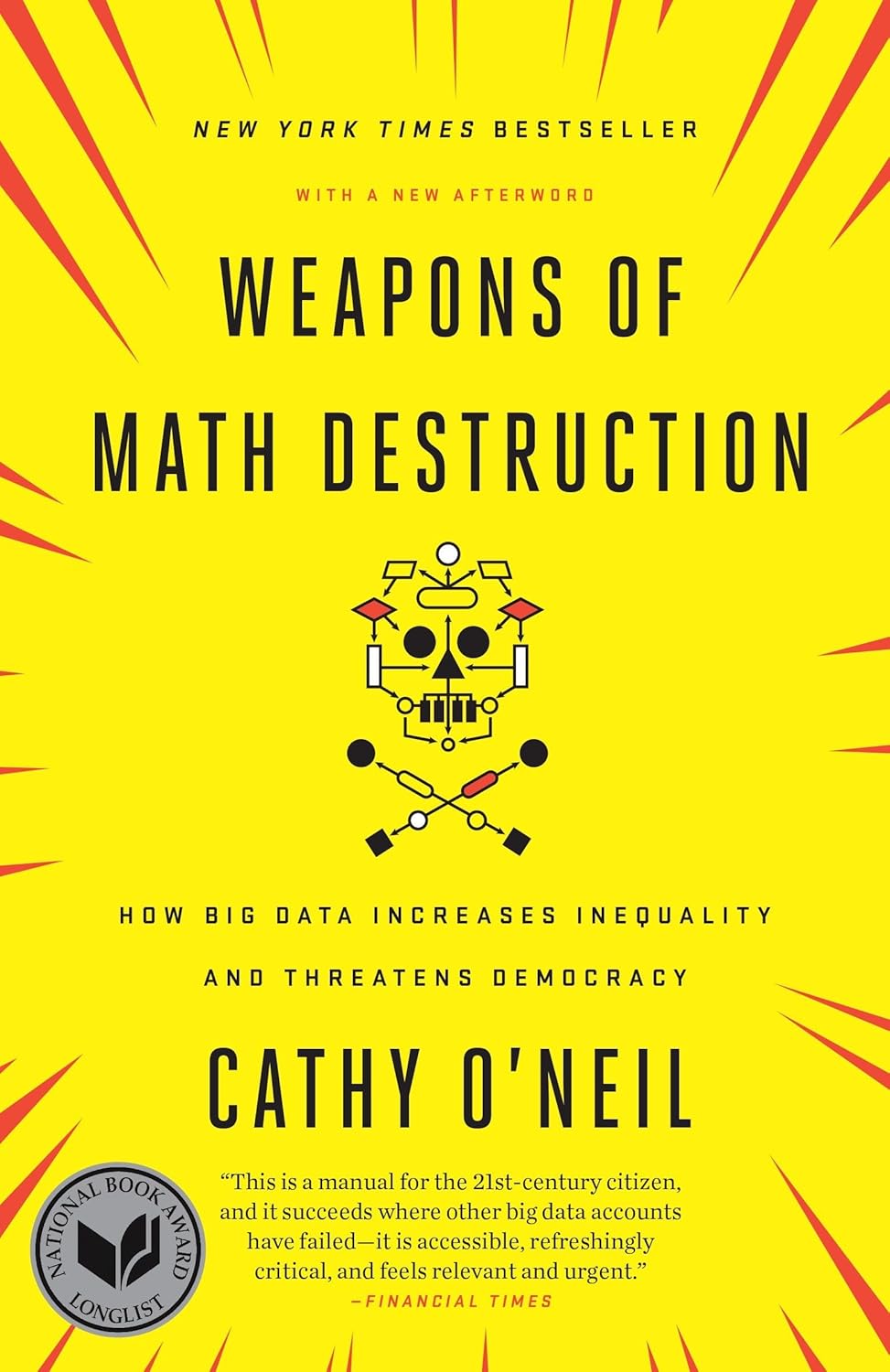
How opaque algorithms decide who gets credit, a job or parole — and why they tend to punish the same people.
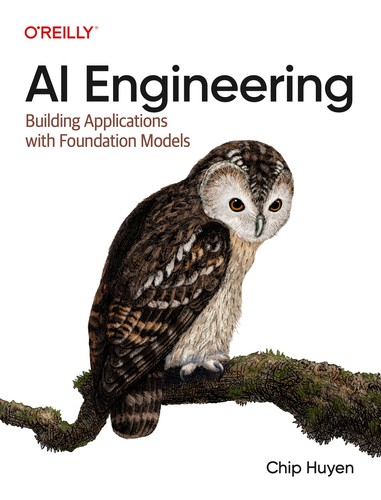
The reference manual for building products on top of AI models: prompts, RAG, fine-tuning, agents, evaluation and deployment.
As an Amazon Associate, Zendoric earns from qualifying purchases; the price does not change for you. · all our recommended books →
🔗 Related on Zendoric
- Goldman's 15-Million-Job Warning: The Transition Cost Is Real, the Story Isn't Over · 2026-06-26
- When the 'surveillance market' is actually ICU monitoring: the AI that really does save lives · 2026-07-06
- When closing the door pushes the customer to the shop across the street: the paradox of AI controls · 2026-06-24