Goldman's 15-Million-Job Warning: The Transition Cost Is Real, the Story Isn't Over

🕒 Published on Zendoric: June 26, 2026 · 09:00
✨ AI-generated · how it's made
Goldman Sachs projects AI will eliminate 15 million US jobs. The number is a forecast, not a foregone conclusion — but it names the central challenge of this decade: managing a wrenching labor transition without pretending it won't hurt.
📚 Go deeper
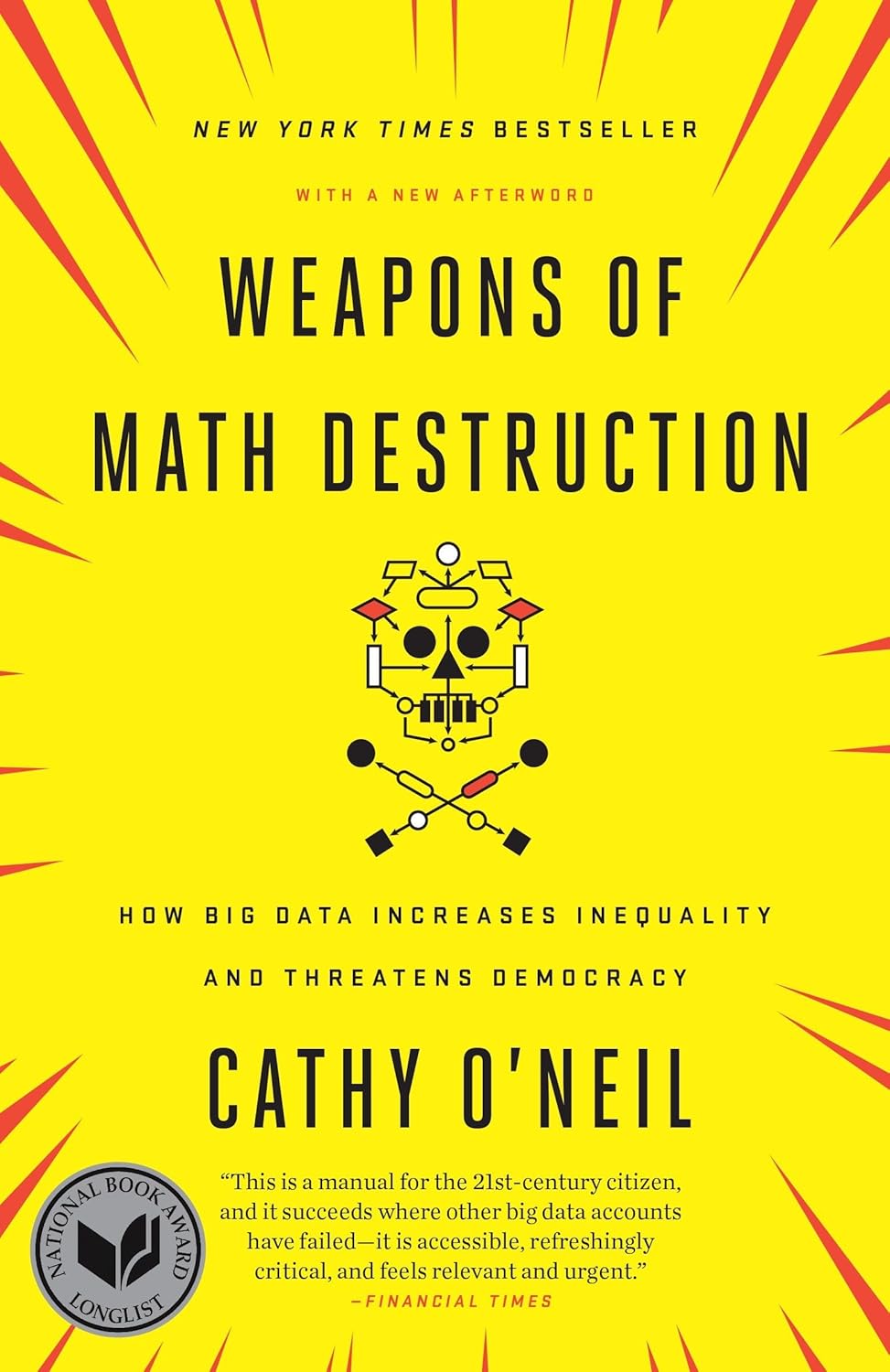
How opaque algorithms decide who gets credit, a job or parole — and why they tend to punish the same people.
As an Amazon Associate, Zendoric earns from qualifying purchases; the price does not change for you. · all our recommended books →
Goldman Sachs has projected that AI will eliminate 15 million jobs in the United States. As with any such estimate, this is a model-based forecast, not a measured outcome — it rests on assumptions about adoption speed, which tasks automate, and how employers respond, all of which can move the final figure substantially in either direction.
We take the warning seriously rather than waving it away. Even if the precise number is off, the direction is credible: AI is already automating discrete tasks across knowledge and service work, and displacement concentrated in specific roles and communities is a genuine, painful prospect. Headline forecasts like this also typically count jobs eliminated without fully weighing the roles created or transformed — historically, technology has destroyed and created work at the same time, though rarely for the same people or on the same timeline.
That timeline mismatch is the crux. The hardest part of this shift isn't the long-run equilibrium; it's the years in between, when displacement arrives faster than retraining, new industries, and policy can absorb it.
Our read: this is the defining short-term problem of the AI era, and denial helps no one — the disruption is coming and deserves serious investment in transition, reskilling, and safety nets. But a forecast of jobs lost is only half the ledger. The same automation that threatens roles is what frees human time and drives the productivity gains that, over the long run, can underwrite abundance and let more people work on what they find meaningful. The task ahead isn't to stop the transition — it's to make it humane enough that the long-term upside reaches the people the short term disrupts.
📚 Go deeper
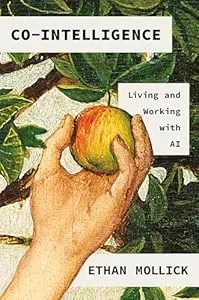
The best starting book if you're not technical: a Wharton professor explains how to work WITH AI — when to delegate, when to supervise, when to keep i

The definitive piece of investigative journalism on OpenAI: 260+ interviews, the clash between safety and speed, and the attempted firing of Sam Altma
As an Amazon Associate, Zendoric earns from qualifying purchases; the price does not change for you. · all our recommended books →
🔗 Related on Zendoric
- Goldman Sachs's 15-Million-Job Forecast: The Disruption Is Real, the Endgame Need Not Be Grim · 2026-06-27
- Cloning your voice no longer requires pauses or errors: why 'there are no more signs' is the real story · 2026-07-05
- When the 'surveillance market' is actually ICU monitoring: the AI that really does save lives · 2026-07-06