When an agent rebuilds Excel: the promise (and the caution) before an unverified experiment

🕒 Published on Zendoric: June 27, 2026 · 09:00
✨ AI-generated · how it's made
A headline claims the Codex agent would have cloned an Excel-type spreadsheet in twelve days. The original video is not accessible, so it is worth separating what we know from what we only suspect: the direction of travel is real, the specific figures are not confirmed.
📚 Go deeper
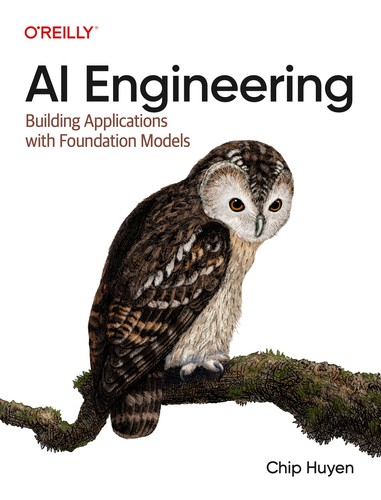
The reference manual for building products on top of AI models: prompts, RAG, fine-tuning, agents, evaluation and deployment.
As an Amazon Associate, Zendoric earns from qualifying purchases; the price does not change for you. · all our recommended books →
It is best to start with the honest part: of the referenced material, only a headline survives —'Codex Clones Excel From Scratch in 12 Days'— because the original video was behind YouTube's cookie wall and could not be retrieved. There is no transcript, no images, no additional figures, not even confirmation of which Codex it refers to (presumably OpenAI's coding agent, though that cannot be taken as certain). Any rigorous analysis has to start from that boundary.
That said, the statement itself nicely illustrates where the tech conversation is heading. The idea that a coding agent could rebuild, in a matter of days, an application as complex as a spreadsheet —formula engine, dependencies between cells, interface— would be a good indicator of how mature these tools have become. Not so much for replacing Excel, a product polished over decades, as for showing that a system can sustain a long project, iterating on its own code with some degree of autonomy.
There lies the nuance worth underlining without slipping into spectacle: replicating the functional façade of a program is not the same as matching its robustness, its performance or the thousands of edge cases that enterprise software resolves. A twelve-day experiment, if confirmed, would be proof of capability and speed, not a verdict on product quality.
The practical recommendation is the most sensible one: before building a narrative around this case, go straight to the original material or to a reliable transcript. The underlying signal —agents capable of tackling ambitious engineering tasks— is interesting enough not to need unverified embellishment.
📚 Go deeper
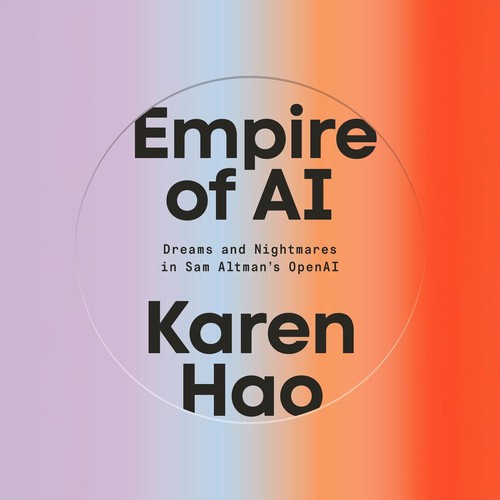
The definitive piece of investigative journalism on OpenAI: 260+ interviews, the clash between safety and speed, and the attempted firing of Sam Altma
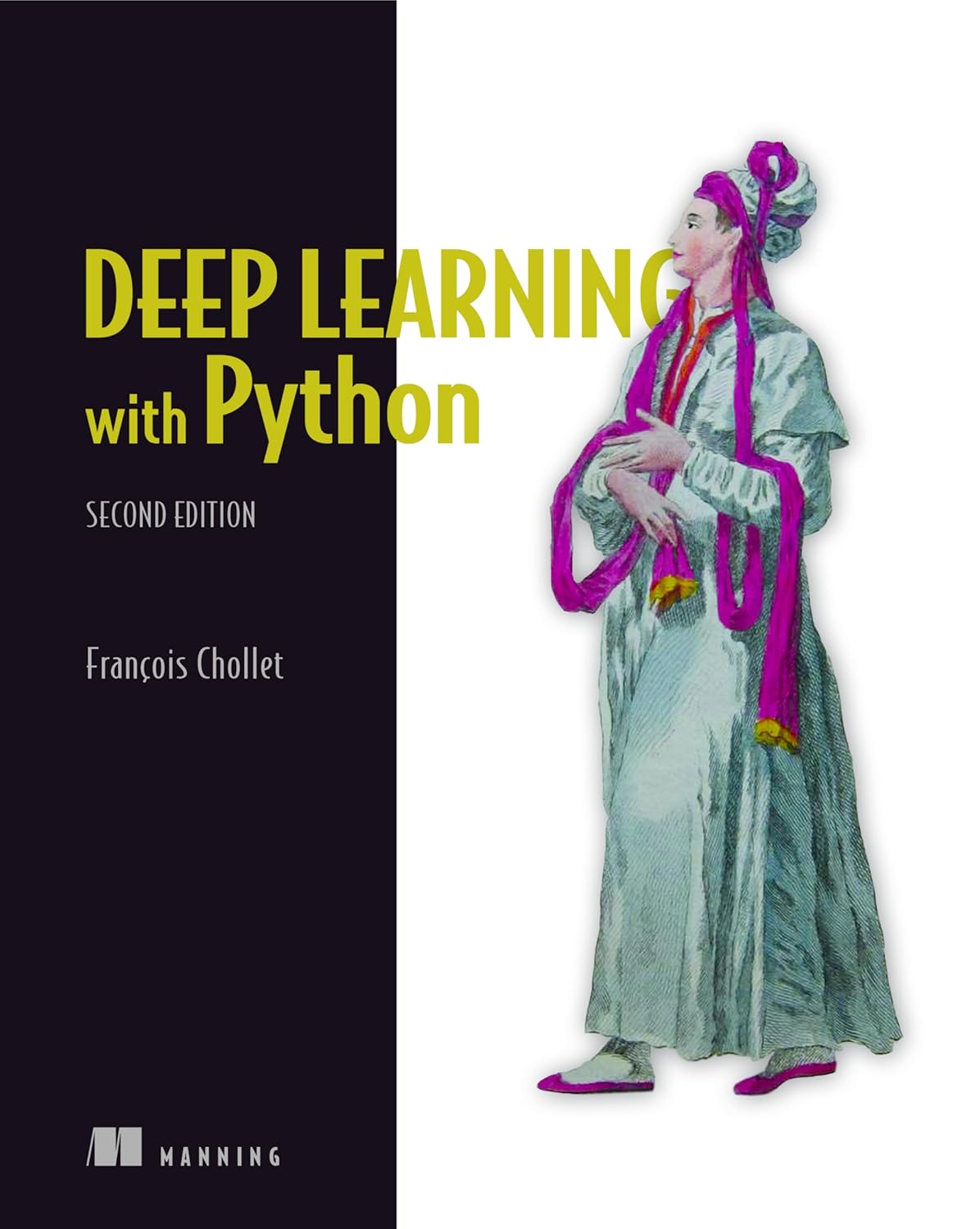
The creator of Keras teaching from scratch, with working code and zero pedantry.
As an Amazon Associate, Zendoric earns from qualifying purchases; the price does not change for you. · all our recommended books →
🔗 Related on Zendoric
- A hospital claims to be a pioneer in using AI to detect infections earlier: the promise matters more than the headline · 2026-07-15
- If the headline holds, Anthropic's AI finding flaws in classified systems would mark a new era of red teaming · 2026-06-25
- Midjourney's Medical Pivot: A $0-MRI Promise Worth Believing—After the Evidence · 2026-06-25