When the camera stops reading license plates and starts remembering journeys: the debate urban AI forces us to have
🕒 Published on Zendoric: June 25, 2026 · 09:00
✨ AI-generated · how it's made
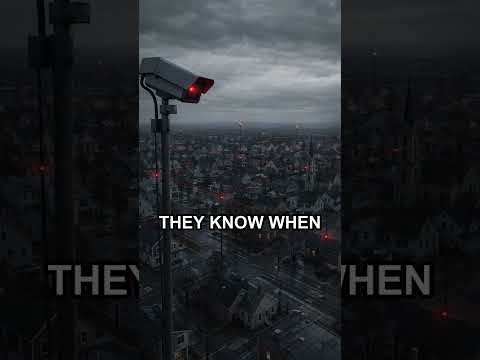
A viral alert from creator Allie Voss reopened the discussion over AI license-plate readers in the U.S. Beyond the specific claims —which should be attributed and verified— the underlying issue is real and technical: these systems no longer just identify violations, they can reconstruct movement patterns of people who never committed any.
📚 Go deeper

The definitive piece of investigative journalism on OpenAI: 260+ interviews, the clash between safety and speed, and the attempted firing of Sam Altma
As an Amazon Associate, Zendoric earns from qualifying purchases; the price does not change for you. · all our recommended books →
The trigger was a social-media post by content creator Allie Voss, who claims that cameras from the company Flock Safety are building what she calls «pattern-of-life profiles» of anyone who passes in front of their lens. According to Voss, these systems would be used to check whether children attend their assigned school district, to handle loud-music complaints, or to let officers access databases without requesting a court order; she also claims that potential employers consult those records. These are serious accusations and, as such, must be read for what they are: allegations from a source, not proven facts.
What is documented is the qualitative shift that AI introduces. A classic license-plate reader read a plate and queried a database. Modern ALPR systems cross-reference information, detect vehicles, pedestrians and cyclists, and integrate their records with police repositories such as the National Crime Information Center, so that a match can trigger a real-time alert. That leap —from recording to inferring, from the one-off photo to the history— is precisely what distinguishes traditional surveillance from algorithmic surveillance, and that is why the debate cannot be settled with the legal categories of two decades ago.
The legal trajectory illustrates this well. In Norfolk (Virginia), Flock Safety faced a federal lawsuit alleging improper use of citizens' images; in February, a federal judge ruled that its cameras do not violate civil liberties, but added that this conclusion could change in the face of future technological advances. That caveat is the most revealing part of the whole episode: the judiciary itself admits that current law may fall short of the speed of technology. It is neither a conviction nor a definitive acquittal; it is a warning that the framework is still being built.
The piece adds nuances that enrich the picture rather than simplify it. There is data pointing to real usefulness —for example, in recovering stolen vehicles— alongside doubts about its effectiveness against violent crime and about the cost (Richmond spent one million dollars in a year, according to Motor1). And there are design nuances: David Kelly, of Australia's Acusensus, argues that his system does not store images when there is no violation, but acknowledges that he cannot answer for what local governments do afterward with the data. That gap —the transfer between private company and public administration without a clear transparency framework— is the real blind spot.
The useful lesson is not to demonize the technology nor embrace it unconditionally, but to organize the conversation around the principle of accountability championed by organizations such as the ACLU and the EFF. The relevant question is not whether the camera works, but who retains the data, for how long, for what purpose and under what verifiable oversight. Those four parameters are perfectly legislatable. Resolving them well would preserve the genuine benefits of these systems without turning public space into a permanent archive of every citizen's life.
📚 Go deeper

AI as the latest chapter in the history of information networks, from gossip to the printing press to the algorithm.
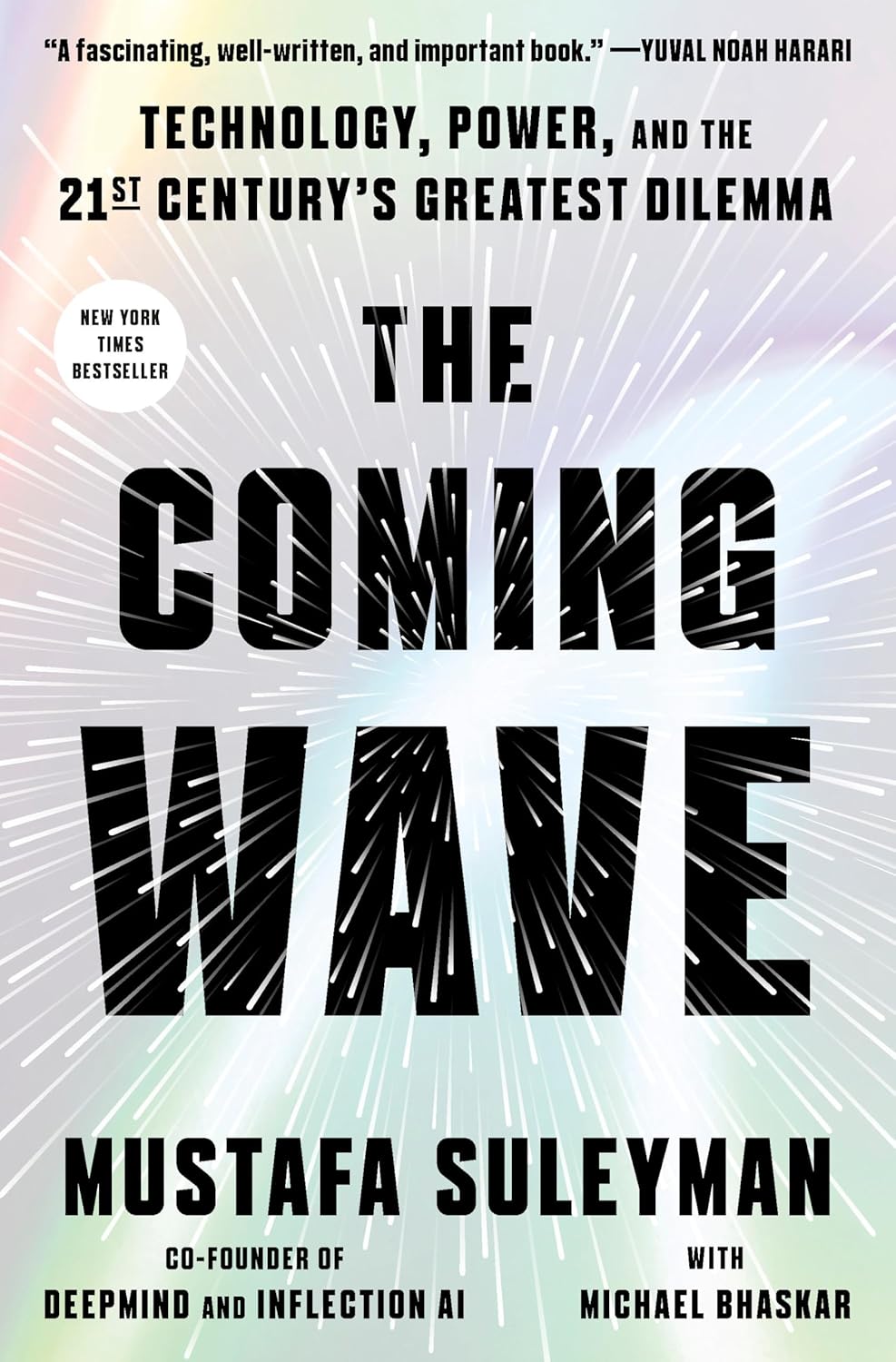
DeepMind co-founder on the dilemma of containing technologies that do not want to be contained.
As an Amazon Associate, Zendoric earns from qualifying purchases; the price does not change for you. · all our recommended books →
🔗 Related on Zendoric
- Students rebel against Flock Safety and its network of AI cameras that read license plates · 2026-07-20
- Cone Health brings AI into the cardiac operating room: when planning, not just diagnosis, starts leaning on algorithms · 2026-06-25
- When the 'genuine' ID lies: why AI fraud forces us to bury biometrics as a silver bullet · 2026-07-15