Students rebel against Flock Safety and its network of AI cameras that read license plates

🕒 Published on Zendoric: July 20, 2026 · 00:19
✨ AI-generated · how it's made
A student movement is calling for the removal of Flock Safety's automatic license-plate readers, the AI surveillance network already deployed across thousands of U.S. communities and campuses. The trigger: the fear that this data could end up in the hands of agencies like ICE without oversight or transparency.
📚 Go deeper

AI as the latest chapter in the history of information networks, from gossip to the printing press to the algorithm.
As an Amazon Associate, Zendoric earns from qualifying purchases; the price does not change for you. · all our recommended books →
By Zendoric · July 19, 2026. The original coverage behind this piece is short on concrete details—it doesn't specify the campus, the exact date the protest began, or participation figures—so it's worth being honest about the limits of what we know for certain. What is a documented and verifiable fact is the subject of the dispute: Flock Safety, the company behind one of the most widespread automatic license plate reader (ALPR) networks in the United States—cameras that photograph and classify vehicle license plates in real time using computer vision—deployed by thousands of police departments and, increasingly, by universities and residential communities.
The headline's pun—'get it the FLOCK out,' which sounds like a profanity in English—captures the tone of the student protest: exhaustion at a surveillance infrastructure that has spread with almost no public debate. The concern is neither new nor exclusive to this episode. In general, privacy-focused outlets and organizations like the Electronic Frontier Foundation have long warned that these camera networks make it possible to reconstruct anyone's movements, and that data collected by local police has ended up, in several documented cases, shared with federal immigration agencies without any specific court order authorizing that use.
That students are leading this wave of opposition makes sense: university campuses concentrate young, immigrant and activist populations—precisely the profiles most exposed if perimeter surveillance becomes a movement database accessible to third parties. The demand is not against recognition technology itself, but against the lack of oversight over who accesses that data, how long it is retained, and for what purpose.
This connects to a tension we've flagged in other analyses: the technical capacity of AI advances faster than the governance mechanisms that should rein it in. A computer vision system capable of reading license plates at scale is not inherently malicious—the same technology can locate stolen vehicles or coordinate emergency responses—but without independent audits, data expiration clauses and real local control over information-sharing agreements, it becomes de facto surveillance infrastructure that no one voted for.
Our reading is that this kind of mobilization, far from being anecdotal, is exactly the sort of social friction to be expected in the transition toward a more automated society: in the short term, citizens—and particularly the groups most vulnerable to abusive use—have legitimate reasons to demand limits and transparency. The sensible response is not to reject AI detection technology outright, but to build, alongside its deployment, the same standards of auditing, accountability and democratic control that we already demand for other high-risk uses of AI. If the sector doesn't do so proactively, protests like this one will keep multiplying—and rightly so.
📚 Go deeper
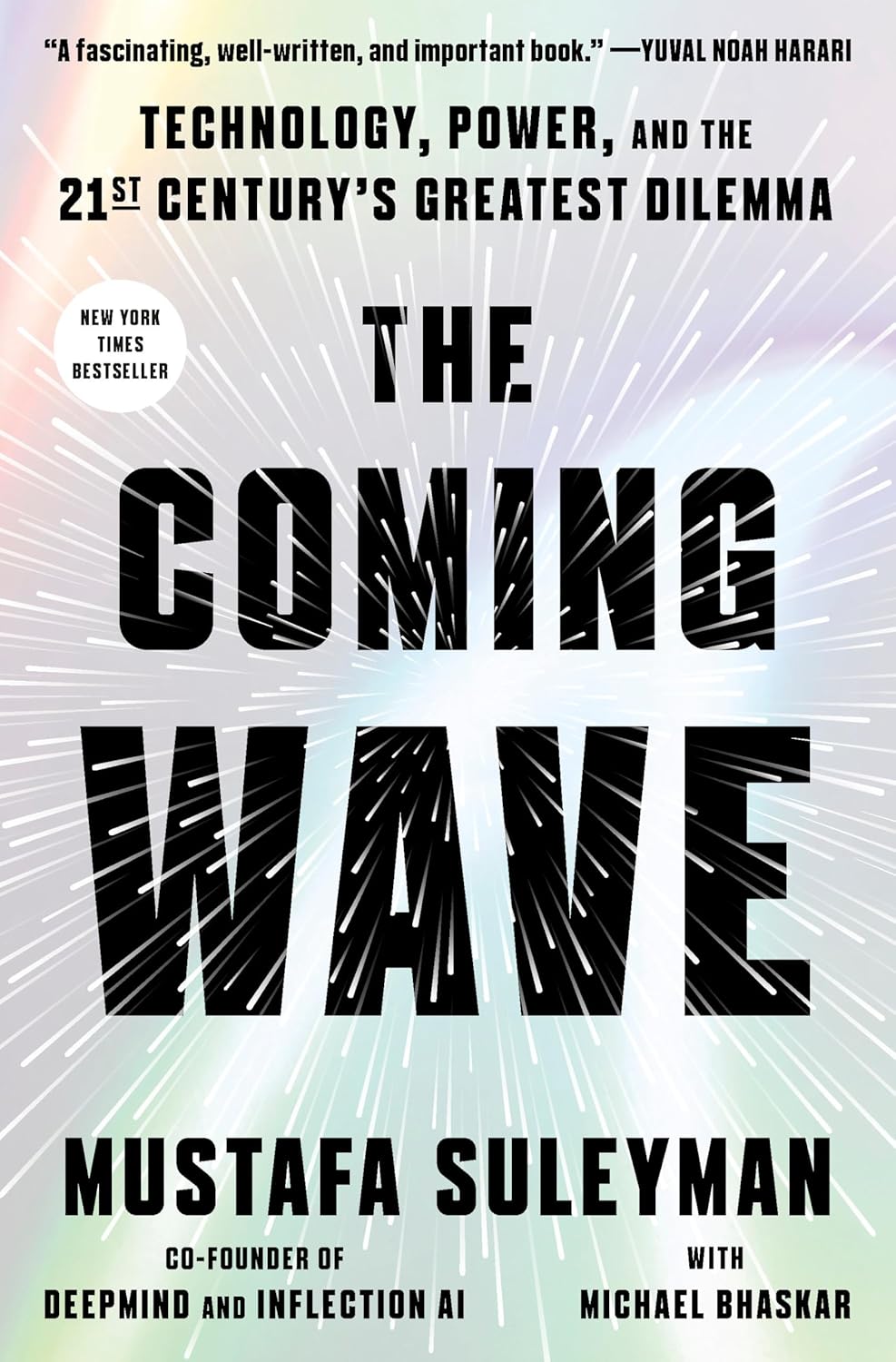
DeepMind co-founder on the dilemma of containing technologies that do not want to be contained.

The book that started the existential-risk debate and that half the industry still cites.
As an Amazon Associate, Zendoric earns from qualifying purchases; the price does not change for you. · all our recommended books →
🔗 Related on Zendoric
- Flock's AI surveillance network is booming in the US, and not everyone wants it on their street anymore · 2026-09-02
- Florida and Texas rein in Flock: when AI surveillance becomes a Republican campaign issue · 2026-09-04
- When the camera stops reading license plates and starts remembering journeys: the debate urban AI forces us to have · 2026-06-25