Zuckerberg's 'Personal Superintelligence': Why the Chip Pick Reveals the Real Bet

🕒 Published on Zendoric: June 25, 2026 · 09:00
✨ AI-generated · how it's made
Mark Zuckerberg says he wants Qualcomm to help 'deliver personal superintelligence to everyone in the world.' The phrasing is grand—but the choice of partner is the tell.
📚 Go deeper
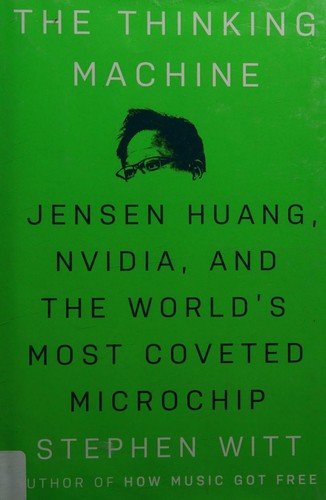
The story of NVIDIA and Jensen Huang: how a video-game card company ended up making the most coveted resource on the planet.
As an Amazon Associate, Zendoric earns from qualifying purchases; the price does not change for you. · all our recommended books →
As reported by the San Diego Union-Tribune, Mark Zuckerberg framed a partnership ambition around Qualcomm, saying he wants the chipmaker to help 'deliver personal superintelligence to everyone in the world.' The slogan is sweeping, but the interesting signal is the company named: Qualcomm is synonymous with mobile and on-device silicon, not just data-center training clusters.
The context is a quiet shift in AI strategy. Much of the field's spending has gone toward ever-larger models trained in the cloud. Tying ambitions to a mobile-chip leader points toward inference at the edge—AI that runs on the devices in people's pockets and on their faces, closer to the user, with implications for latency, cost and privacy.
The impact, if the rhetoric becomes product, is about access. 'Personal' and 'everyone in the world' imply AI that is cheap and ubiquitous rather than gated behind expensive subscriptions and constant connectivity. On-device intelligence could lower the marginal cost of a capable assistant toward zero and keep more data local.
Our reading: treat 'superintelligence' as marketing and focus on the architecture underneath. In the near term, the gap between the phrase and shipped capability will be wide, and personal AI on consumer hardware faces real constraints in power, memory and quality. But the direction is the right one—pushing capable AI to the edge is how abundance actually reaches billions of people, not a privileged few. If this is a genuine bet on accessible, on-device intelligence rather than a press-release flourish, it's the kind of move that, over years, helps turn AI from a luxury into a utility everyone can rely on.
📚 Go deeper

AI as the latest chapter in the history of information networks, from gossip to the printing press to the algorithm.
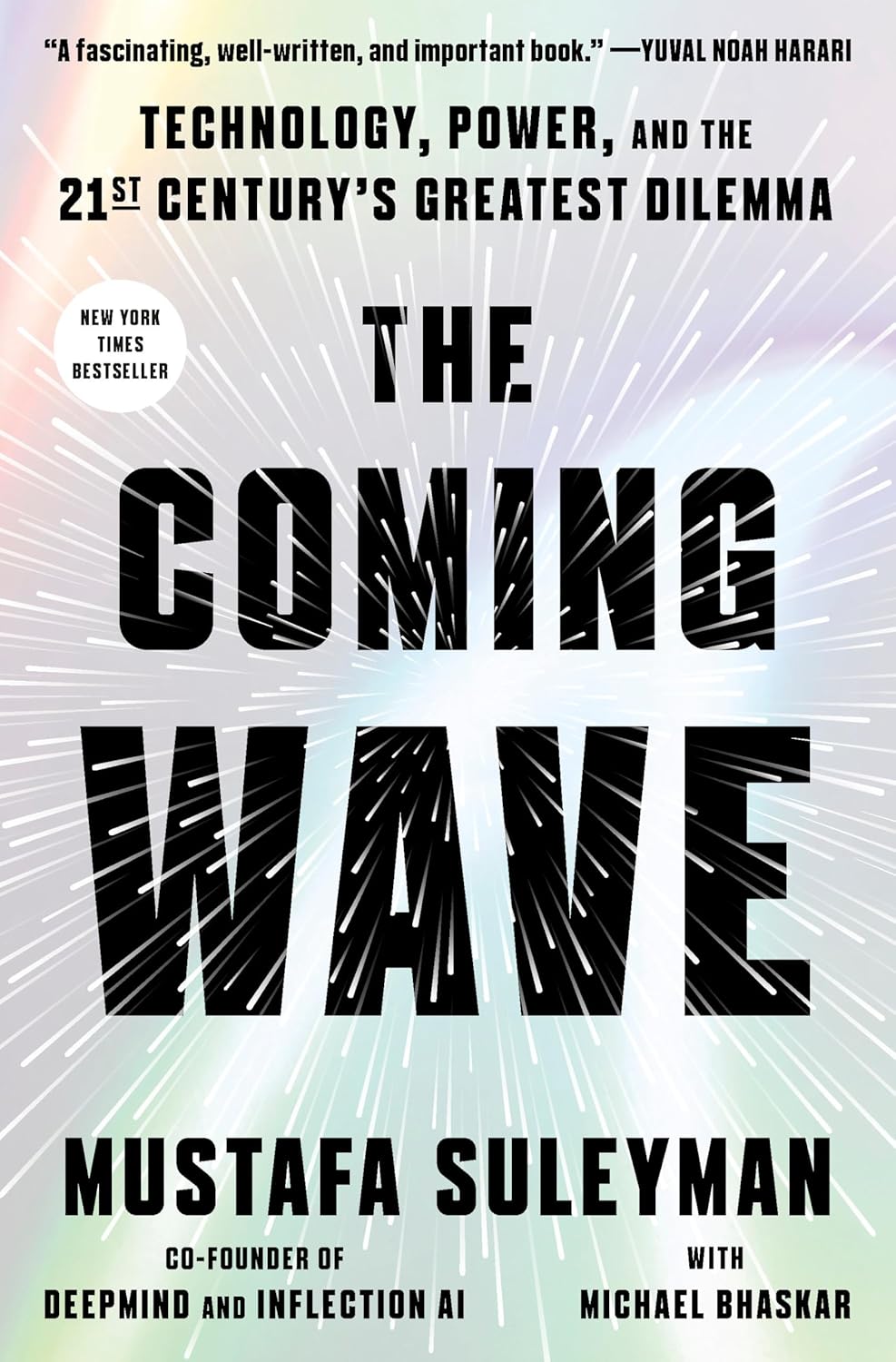
DeepMind co-founder on the dilemma of containing technologies that do not want to be contained.
As an Amazon Associate, Zendoric earns from qualifying purchases; the price does not change for you. · all our recommended books →
🔗 Related on Zendoric
- Meta and Qualcomm seal an alliance that moves mobile energy efficiency to the heart of the AI data center · 2026-06-25
- SoftBank bets its future on superintelligence: Son turns record profits into ammunition to dominate the AI era · 2026-06-25
- Edge inference matures: how choosing power mode and backend makes up to a 74% difference in tiny models · 2026-06-28