AI didn't invent fraud, it industrialized it: why the best defense is still slowing down

🕒 Published on Zendoric: June 24, 2026 · 09:00
✨ AI-generated · how it's made
A financial advisor puts the rise in AI-driven cybercrime during 2025 at more than 1,200% and describes how cloned voices and perfect phishing have torn down the classic warning signs. The good news: the most effective countermeasures are surprisingly analog.
📚 Go deeper
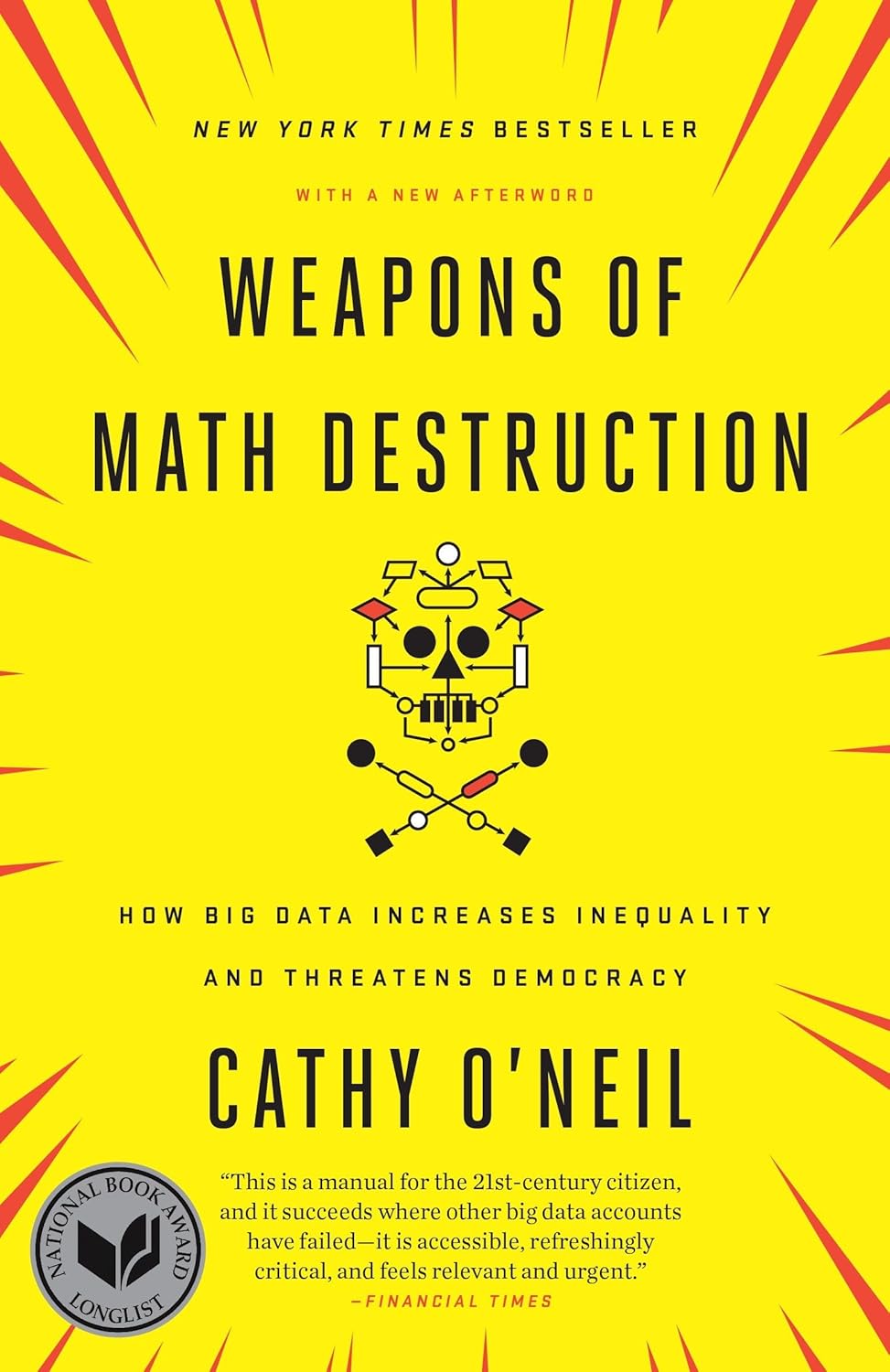
How opaque algorithms decide who gets credit, a job or parole — and why they tend to punish the same people.
As an Amazon Associate, Zendoric earns from qualifying purchases; the price does not change for you. · all our recommended books →
It is worth starting with the figure and with its source, because both matter. Jay McGowan, an advisor at The Welch Group in Huntsville (Alabama), maintains that cybercrimes related to artificial intelligence grew by more than 1,200% in 2025 compared with the previous year. He backs the warning with estimates he attributes to the FBI: some $21 billion in annual cybercrime losses in the U.S., with more than half of the offenses already incorporating some AI component, and a projection that would reach around $40 billion by 2027. These are figures cited by the expert, not absolute truths, but they point to a trend that is hard to ignore.
What matters is not just the volume, but the change in nature. Generative AI has not created new categories of fraud; it has removed the friction that once gave away the old ones. Phishing is the clearest example: according to the data McGowan handles, fraudulent emails written with AI record a click rate four times higher than those written by hand. For years, spelling mistakes and clumsy syntax were the best human filter against deception. With that noise gone, and with the ability to personalize each message using public data about the recipient, the malicious email goes from sloppy to convincing.
The most unsettling form is the most intimate. McGowan describes the call in which a voice identical to a spouse's recounts an accident and asks for an urgent transfer of $5,000. The voice is synthetic, cloned from real fragments, but indistinguishable under stress. The attack combines two psychological levers: trust in someone known and manufactured urgency. To this is added a third, quieter vector, that of fake financial advisors—apps and chatbots that promise free advice on investment or debt—whose true purpose would be to harvest personal data, often amplified by the virality of social media.
The encouraging part of the diagnosis is that the most effective defenses do not require advanced technology. McGowan proposes a 'family password': a word known only to members of the household that must appear in any request for money or sensitive data. The condition is strict: do not store it on any device or write it down in an accessible place, so that it lives only in memory. A deliberately analog solution precisely because the digital is what the attacker can compromise.
The rest of the advice points to the real weak spot the scammers exploit: haste. Hang up and call back a verified number, look up the company independently, cross-check with official customer-service channels and, above all, do not decide under time pressure. Social engineering has always sought to short-circuit reflection by triggering the brain's quick response. Against fraud that is increasingly sophisticated in form, the countermeasure remains the same as ever and cheaper than ever: introduce a deliberate pause between the impulse and the transfer. The attacker's technology has changed; the defender's, in essence, does not need to.
📚 Go deeper
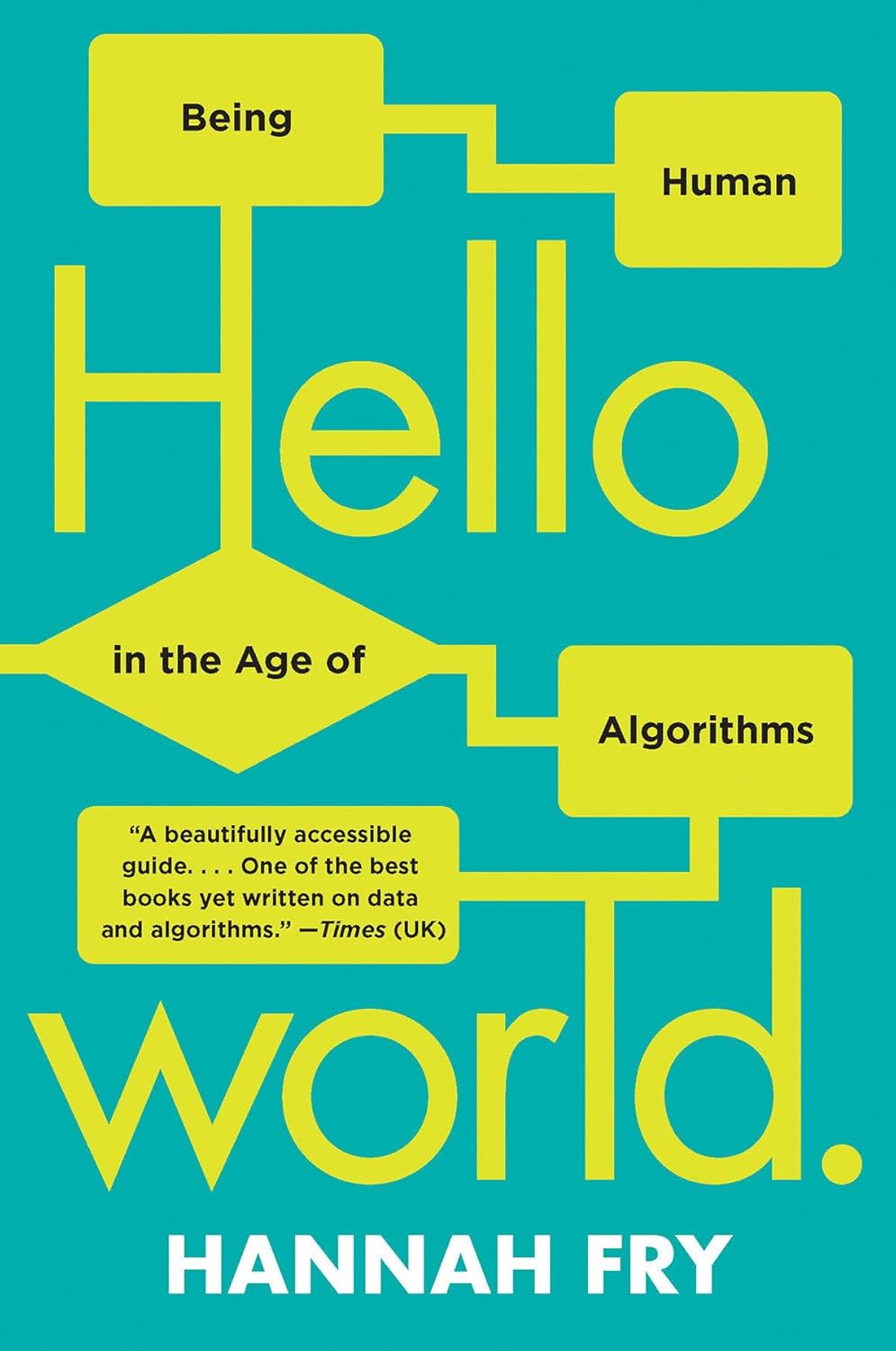
Algorithms in justice, medicine, cars and art, explained with British humor and mathematical honesty.
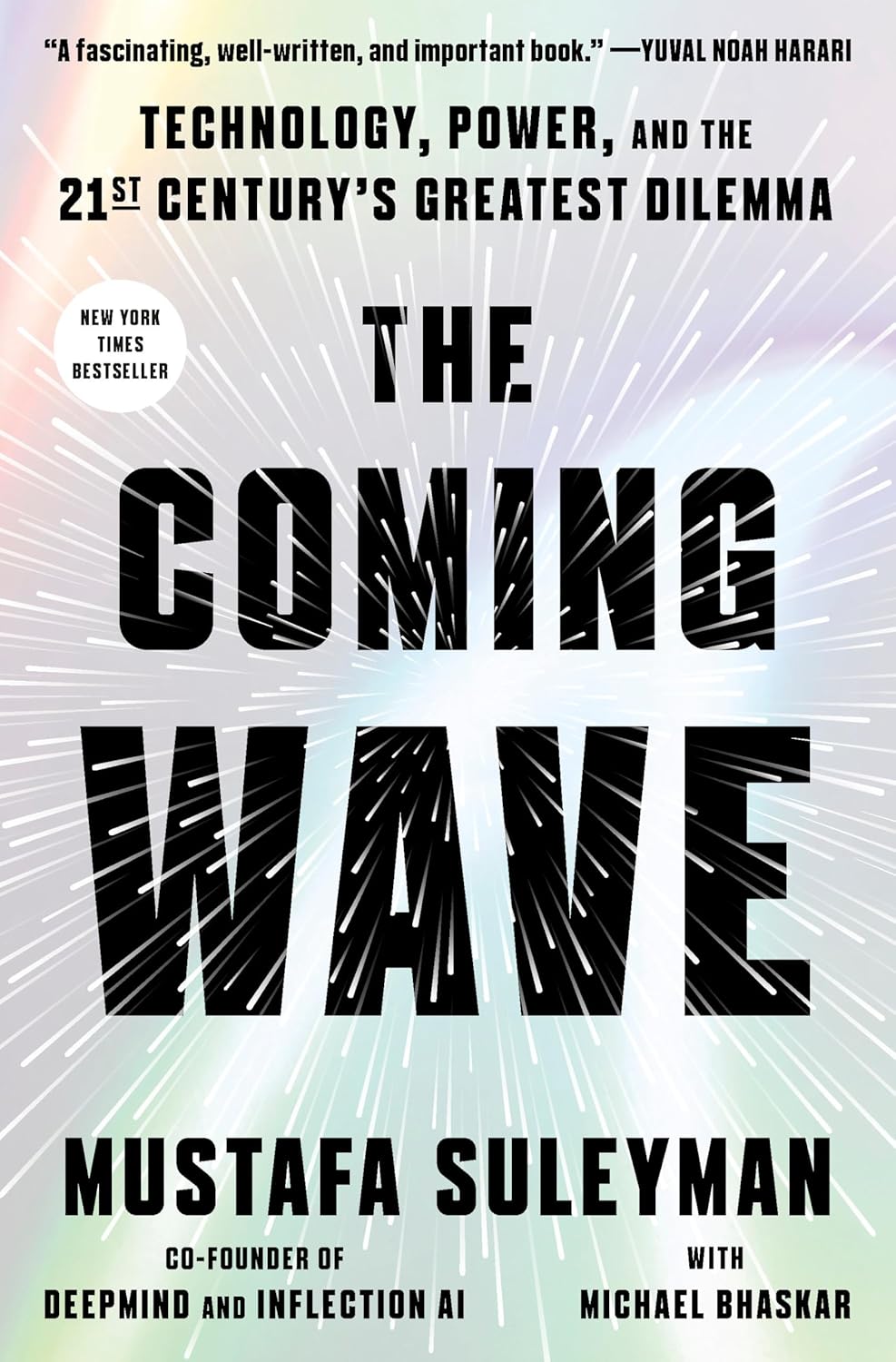
DeepMind co-founder on the dilemma of containing technologies that do not want to be contained.
As an Amazon Associate, Zendoric earns from qualifying purchases; the price does not change for you. · all our recommended books →
🔗 Related on Zendoric
- Cloning your voice no longer requires pauses or errors: why 'there are no more signs' is the real story · 2026-07-05
- AI Voice Clones Fuel $893M in Scams: The Fraud Wave Arrives Before the Cure · 2026-07-20
- AI Voice Cloning Fuels Nearly $900M in US Scam Losses, FBI Data Shows — and Georgia Isn't Spared · 2026-07-21