AGI (AGBK) earns 276M reais in Q3: a Brazilian bank bets on being "AI-driven," but the hard numbers come from lending
🕒 Published on Zendoric: November 12, 2026 · 00:05
✨ AI-generated · how it's made
AGI, a Brazilian bank listed on the NYSE, reports net income of 276M reais and presents its shift to "AI-driven" banking. Our take: despite the slogan, what it has proven is secured lending and subscriptions, not AI.
📚 Go deeper

DeepMind co-founder on the dilemma of containing technologies that do not want to be contained.
As an Amazon Associate, Zendoric earns from qualifying purchases; the price does not change for you. · all our recommended books →
By Benzinga · November 11, 2026.
AGI (NYSE: AGBK), a Brazilian financial institution, reported its third-quarter 2026 results. According to the company, net income was 276 million reais (up 31% year over year and 38% from the previous quarter, although a 40% quarter-on-quarter figure was also cited on the call). Pre-tax income rose 63% quarter on quarter, and annualized return on equity (ROE) reached 22.4%, compared with 16.9% in the second quarter.
Lending was the engine. Originations reached 10.2 billion reais, up 77% from a year earlier. Private payroll-deductible loans grew 130% year over year to 2.3 billion. The total portfolio stands at 38.8 billion, 88% of it secured. Total revenue was 3.2 billion reais (up 15% year over year), according to the company on the call; MarketScreener puts it at 3.22 billion.
The company provided further figures: 8.3 million active clients and a 10% share of payroll lending to INSS pensioners (INSS being Brazil's public social security system). Fees came to 244 million (up 80% quarter on quarter), driven by insurance brokerage and by AGI+, its subscription program, which management says has topped 700,000 subscribers four months after the pilot. It also announced a buyback of up to 3 million Class A shares over 12 months.
There are signs of strain that should not be left out. Loans more than 90 days past due rose to 3.5% (up 20 basis points), although the company compares this with an average of 6.2% for consumer lending in Brazil. Cost of risk reached 6.1%, and provision coverage fell from 183% to 157%. Management attributes part of this to the pace of originations, since provisions on new loans are booked up front.
On AI, the message is more aspirational than measured. CEO Marciano Testa said the company wants to be "fully AI-driven" in the coming months and introduced Rafael Cicada, formerly one of McKinsey's AI leaders, to integrate it across business units. The concrete promise is more accurate credit models to anticipate defaults and adjust them in real time. According to the available transcript, the company offered no figure on the call isolating AI's effect on its results. The improvement in the efficiency ratio to 44.2% is explained by rising revenue with flat expenses, not attributed to AI.
Our take: AGI is a good example of how "AI" has become a positioning label for investors, even in businesses driven by something else. That doesn't mean there is no real value. A better scoring model for lending to pensioners and private payroll borrowers is exactly the kind of use where AI pays off. But for now it is a hypothesis, and the proof will lie in delinquency rates among new cohorts and in cost of risk, not in the slogan.
Generally speaking, AI in banking first benefits those with proprietary data and scale: fewer administrative tasks, more data, risk and compliance roles. In the short term, that puts pressure on back-office jobs. In the long term, more accurate and cheaper credit could reach people who are excluded today, if it is governed transparently. A useful yardstick: each quarter, disclose which improvement is due to the model and which to the cycle.
One final clarification: the name "AGI" here belongs to a bank and has no connection to artificial general intelligence, although the coincidence creates noise in searches.
📚 Go deeper

The best starting book if you're not technical: a Wharton professor explains how to work WITH AI — when to delegate, when to supervise, when to keep i
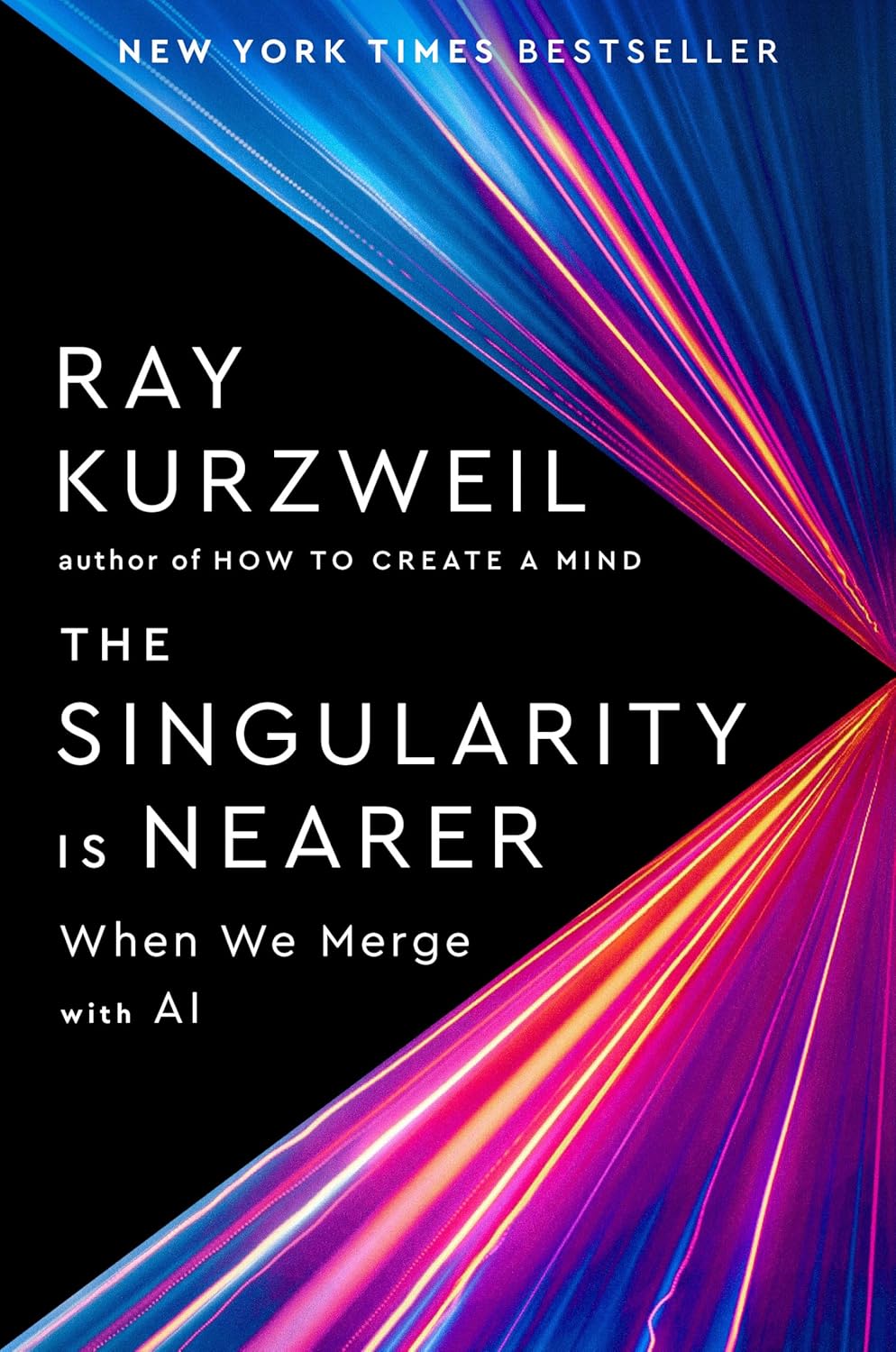
Twenty years after "The Singularity Is Near", Kurzweil revisits his predictions and keeps the date: human-AI merger around 2045.
As an Amazon Associate, Zendoric earns from qualifying purchases; the price does not change for you. · all our recommended books →
🔗 Related on Zendoric
- Anthropic takes AI distillation to the Senate: when copying agentic capabilities becomes a matter of state · 2026-06-26
- Of 'open weights' and unbeatable prices: how Chinese AI is advancing across the Global South while the West debates · 2026-06-26
- OpenAI's Billions in Losses Are the Price of Building the Future, Not a Warning Sign · 2026-06-30