The Huang case is not a personal scandal: it's the risk of the China chip lobby being led by someone exposed to pressure

🕒 Published on Zendoric: November 10, 2026 · 02:47
✨ AI-generated · how it's made
Jensen Huang admits to an affair with a Chinese executive who, according to US intelligence, Beijing may have recruited. Beyond the scandal, the case exposes how AI chip exports are governed: with advisers who have their own interests.
📚 Go deeper

Semiconductors as the oil of the 21st century: history, espionage, and why an island of 23 million people underpins the entire AI economy.
As an Amazon Associate, Zendoric earns from qualifying purchases; the price does not change for you. · all our recommended books →
By El Nuevo Herald (AFP) · November 9, 2026.
Jensen Huang, CEO of Nvidia, acknowledged on Sunday in a message to staff that he had been unfaithful to his wife. "There is no excuse for what I did," he wrote. The admission followed a report by The New York Times according to which U.S. intelligence officials concluded that the woman, Alice Huang (also known as Huang Le, no relation to him), was working for Beijing. Bloomberg is also covering the case as a Chinese espionage investigation that has engulfed the company.
It is worth separating what is confirmed from what is attributed. Confirmed are the relationship, admitted by Huang himself, and the opening of an independent investigation by Nvidia's board. Everything else is attributed: according to the Times, a memo among senior officials cited intelligence identifying her as an agent of China's Ministry of State Security, recruited to gather information on Huang and lobby for the sale of the most advanced chips. China denies it, calling it "groundless defamation and slander." Alice Huang's whereabouts are unknown.
The business context is what gives the case its weight. Alice Huang is linked to Megaspeed, a Singapore-based data center company spun off from a Chinese company in 2023, which rents out computing capacity based on Nvidia chips. According to the article, U.S. officials suspect Megaspeed helped smuggle restricted chips into China, and the Justice Department is investigating the company. The Wall Street Journal reported that the two were photographed together in Taipei in 2024 and 2025. Nvidia maintains that their interactions were "neither unusual nor unexpected" given the business relationship and that the board has no reason to believe national security or its secrets have been compromised.
The figures show what is at stake: Nvidia controls, according to the article, around 90% of the market for chips used to train and run AI models, and Washington has restricted sales of the most advanced ones to China since 2022. Huang, besides being an executive, is one of Trump's most influential informal advisers on AI. He lobbied to sell the most powerful chips to China; Rubio and others blocked it, and Trump authorized a less advanced processor in exchange for 25% of the profits going to the U.S. According to the Times, Trump was briefed on the intelligence roughly a year ago and did not act. On Sunday, the president said he had no regrets: "He's an honorable guy. I think he probably has an explanation."
What comes next: Republican House committee leaders are asking Huang for a closed-door briefing on November 18. A committee of independent directors, with outside advisers, will lead the internal review, and Huang will remain at the helm in the meantime. Analyst Dan Ives expects multiple congressional investigations and believes Huang will probably keep his job in the short term, though that will depend on the findings.
Our take: the salacious angle is beside the point; what matters is institutional design. Chip export policy is probably the most effective governance lever the West has over frontier AI, and decisions on what is sold to China have relied heavily on the judgment of the company that stands to gain most from selling more. That is a structural conflict of interest even if every suspicion of espionage turned out to be unfounded. And if they were not unfounded, the problem is bigger: a personal vulnerability in the adviser shaping policy would have been a channel of pressure on a strategic asset.
Caution is warranted. The allegations come from intelligence sources cited by the press, not from a judicial process, and should not be taken as proven. But the lesson does not depend on the outcome: when a product becomes a geopolitical asset, the company that makes it should not be the main arbiter of who it is sold to. What is needed are decision-making procedures that are transparent, auditable and that separate technical advice from commercial interest.
In general, export controls accelerate Chinese self-sufficiency without fully halting it, and smuggling through intermediaries is their weak point. If the Megaspeed investigation confirms that channel, it will strengthen the case of those calling for hardware traceability. In the long term, AI that can accelerate medicine and generate abundance must be built on credible governance of its infrastructure. A case like this does not derail that trajectory, but it is a reminder that the transition depends on institutions that withstand pressure, not just on more powerful chips.
📚 Go deeper

The story of NVIDIA and Jensen Huang: how a video-game card company ended up making the most coveted resource on the planet.
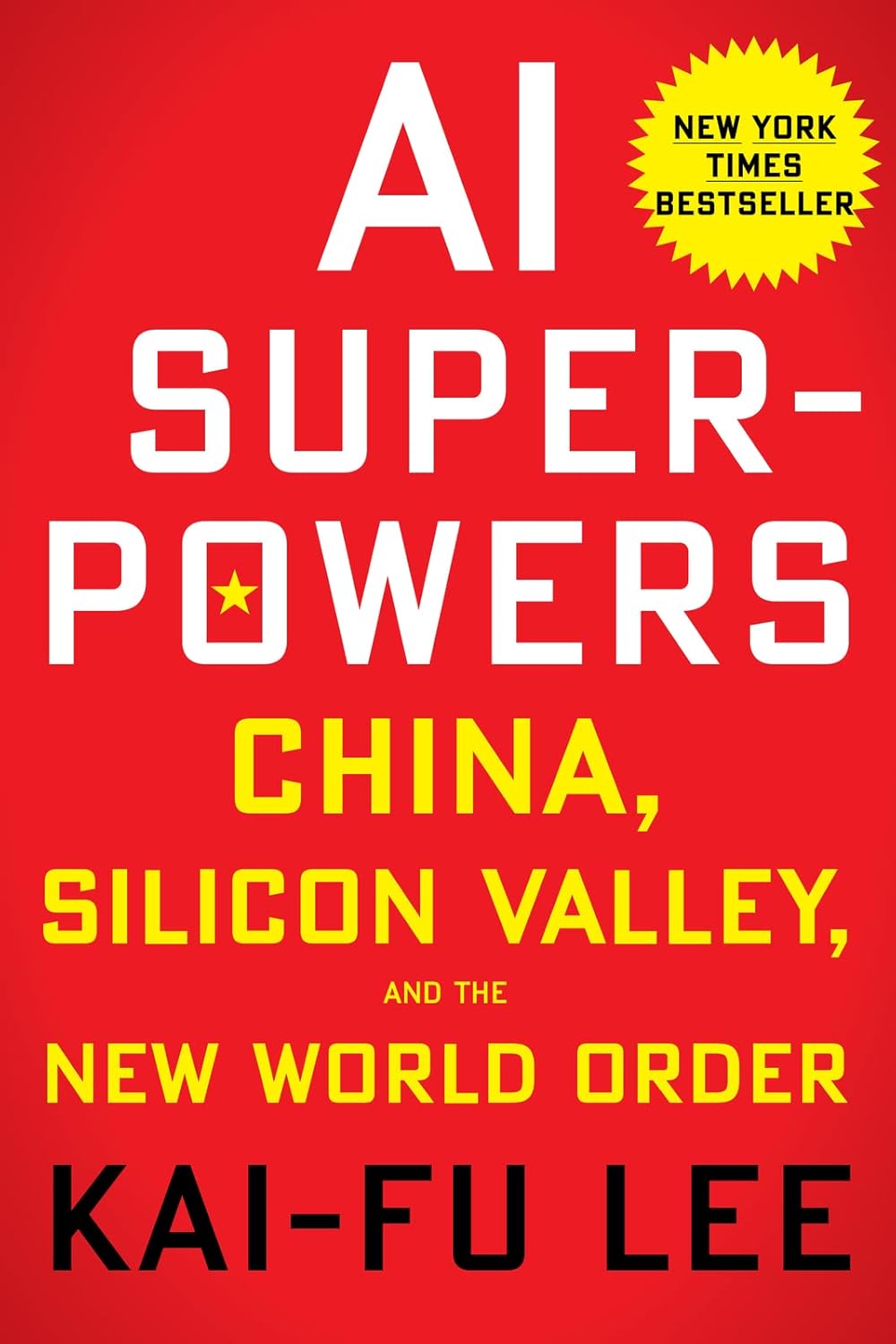
China vs.
As an Amazon Associate, Zendoric earns from qualifying purchases; the price does not change for you. · all our recommended books →
🔗 Related on Zendoric
- Jensen Huang's affair with an alleged Chinese spy puts Nvidia's China ambitions under scrutiny · 2026-11-11
- Jensen Huang's second alleged affair turns Nvidia's crisis from scandal into a governance and key-person-risk test for AI · 2026-11-12
- The US is winning the AI race, but the Jensen Huang scandal at Nvidia could put its lead at risk · 2026-11-12
Sources & references
- El Nuevo Herald — The Huang case is not a personal scandal: it's the risk of the China chip lobby being led by someone exposed to pressure
- TheWrap — The Gruffudd case: an AI scam that asked for no money, and why celebrities' identities are now a mass risk
- us.list-manage.com — Nvidia falls 4.27% as its board investigates Jensen Huang's relationship with an alleged Chinese spy