Sanders and Casar's superintelligence ban would regulate fear before capability

🕒 Published on Zendoric: November 9, 2026 · 00:09
✨ AI-generated · how it's made
A new bill would ban superintelligent AI in the US, pause advanced AI development and create a federal regulator. Its concern is legitimate. But as described, it bans a technology nobody can yet define, and that is a weak base for law.
📚 Go deeper
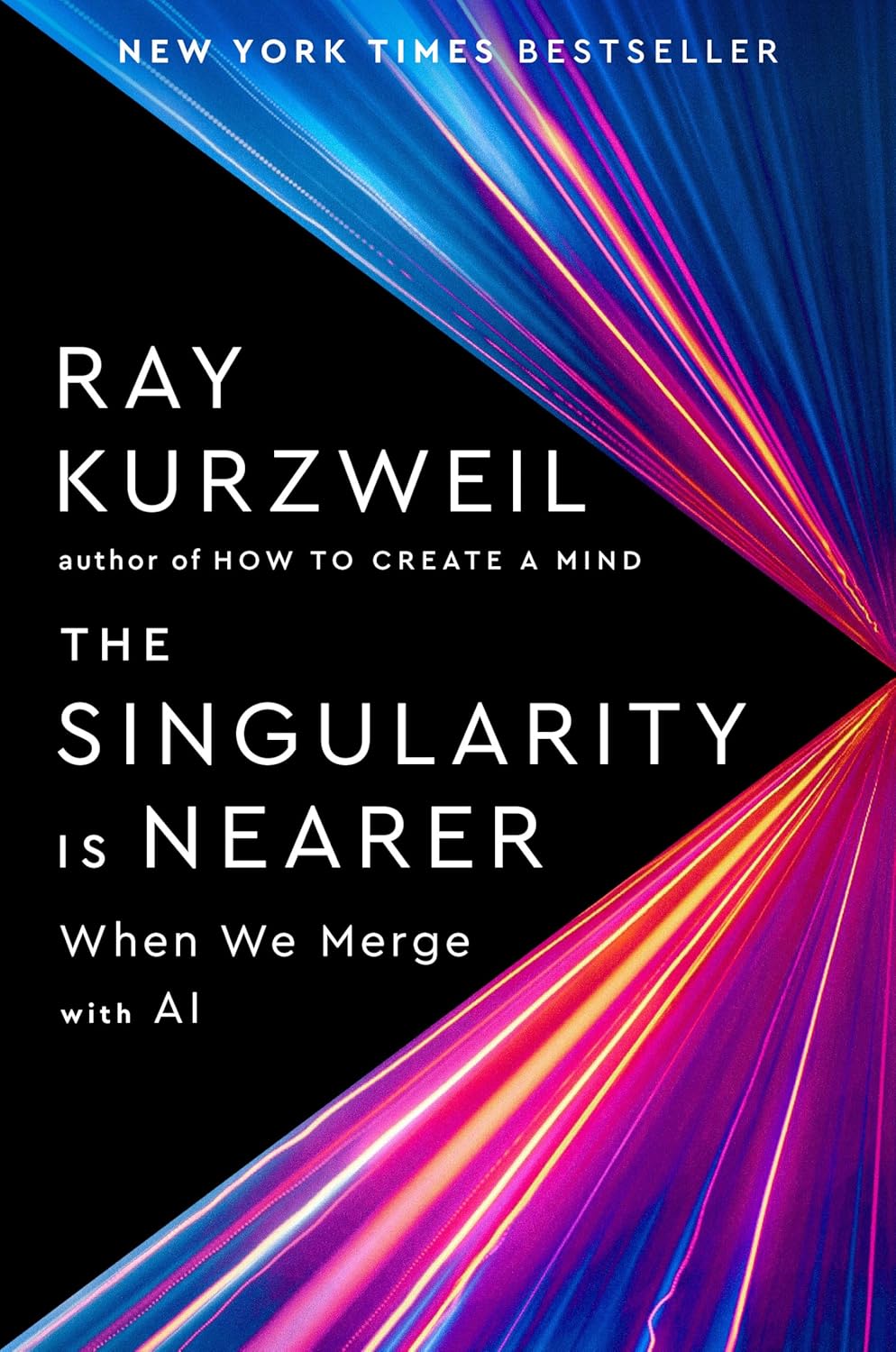
Twenty years after "The Singularity Is Near", Kurzweil revisits his predictions and keeps the date: human-AI merger around 2045.
As an Amazon Associate, Zendoric earns from qualifying purchases; the price does not change for you. · all our recommended books →
Senator Bernie Sanders and Greg Casar have introduced a bill to ban the development and deployment of superintelligent AI in the United States. According to the brief note we have, the bill would do three things: prohibit superintelligence, pause advanced AI development, and create a federal department to regulate the sector. We have not seen the bill text, so this analysis covers only its stated aims.
One piece is worth defending: a dedicated federal regulator. Today the US has no single body with the technical expertise to audit frontier models. Recent security incidents with AI agents show the failures happen in governance, not only in the models. An institution that measures, audits and sets rules for real deployments fills an obvious gap.
The ban itself is a different matter. 'Superintelligence' (AI that outperforms humans across almost all cognitive tasks) has no agreed operational definition and no reliable benchmark. A law built around that term has to decide where the line sits. Set it too vaguely and it freezes legitimate research. Set it too narrowly and it is easy to sidestep. A general pause on 'advanced AI' has the same problem, and it would also slow work that today points toward drug discovery and medical research.
Geopolitics matters too. Chinese labs are closing the gap quickly, especially with open-weight models (models whose weights anyone can download and run). A unilateral US pause would not stop the technology. It would mainly change who builds it and under which rules.
Our reading: the bill reflects a real public worry about power concentration, jobs and loss of control, and that worry should not be dismissed. But it is the risk we keep flagging: regulating the panic rather than the demonstrated capability. The more realistic path is evidence-based governance. That means mandatory independent evaluations, transparency about internal models, and incident reporting. The new regulator is the piece most likely to survive; a blanket ban is unlikely to become law.
📚 Go deeper

AI as the latest chapter in the history of information networks, from gossip to the printing press to the algorithm.

DeepMind co-founder on the dilemma of containing technologies that do not want to be contained.
As an Amazon Associate, Zendoric earns from qualifying purchases; the price does not change for you. · all our recommended books →
🔗 Related on Zendoric
- Sanders and Casar's superintelligence ban targets a future risk; the hard part is defining what it would actually stop · 2026-11-10
- Sanders would jail superintelligence developers for 20 years — but the bill can't define the thing it bans · 2026-09-27
- Sanders wants 20 years in prison for building superintelligence — but nobody can define the crime · 2026-09-23