Private equity: design the investment process for judgment, not for AI

🕒 Published on Zendoric: November 5, 2026 · 00:16
✨ AI-generated · how it's made
The opinion piece, published in the «Fresh takes on big ideas» series on AI and investing, argues that much of the debate about AI in private equity has focused on what the technology can do: the tools investors should use, the data that should feed them, the…
📚 Go deeper
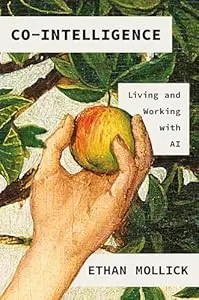
The best starting book if you're not technical: a Wharton professor explains how to work WITH AI — when to delegate, when to supervise, when to keep i
As an Amazon Associate, Zendoric earns from qualifying purchases; the price does not change for you. · all our recommended books →
By McKinsey Quarterly (Andrew Mullin, senior partner at McKinsey in Toronto).
The opinion piece, published in the "Fresh takes on big ideas" series on AI and investing, argues that much of the debate about AI in private equity has focused on what the technology can do: the tools investors should use, the data that should feed them, the capabilities firms should build and even AI's role in investment committees. Mullin argues that the key question is a different one: how to redesign the investment process in a world where AI can produce a good first answer almost instantly, while the judgment needed to turn that answer into conviction, action and better outcomes remains scarce.
The author describes a paradox. AI can radically boost productivity in investing, eliminating mechanical work and generating more data, more scenarios and more analysis in a fraction of the time. But more analysis does not automatically produce better judgment: the day still has 24 hours, and human attention does not expand just because output increases. AI can multiply the analysis available, but not investors' capacity to absorb it.
Moreover, if AI takes over work that used to build judgment and experience along the way, it cannot be taken for granted that the next generation of private equity leaders will develop those capabilities on their own.
As an early warning, the article cites recent research. A 2026 study that followed 26,811 Chinese secondary school students over 30 months found that using generative AI helped them finish their homework 30% faster and that their homework grades rose 18%. However, within six months their scores on closed-book exams fell 20%, with the decline concentrated among students who appeared to delegate more work to AI.
A related Wharton study indicates that AI can also affect the quality of human decision-making. The researchers found that correct AI advice substantially improved people's accuracy, but when AI confidently gave a wrong answer, those using it performed worse than those not using AI. This phenomenon is called "cognitive surrender": people adopted the AI's confidence at the expense of their own judgment.
Mullin draws implications for investing. In his view, the goal of due diligence has never been to produce an answer. Veteran investors know from the outset that the investment model will be wrong—he says he has never built one that wasn't—; the job is to understand by how much, in which direction and why. Part of this is knowable through analysis, but ultimately every investment rests on a judgment about what is likely to happen, and no AI-generated analysis can make that judgment for us.
He recalls that early in his career, when he built investment models, the real learning rarely came from typing formulas or gathering data, but from "living inside the model": changing an assumption, getting an unexpected result and working out whether he had made a mistake or discovered something real about the business.
The opportunity for firms, he suggests, is to redesign the investment process so that AI-generated analysis strengthens human judgment. In practice, this means: investors forming their views before seeing the machine's answers; identifying what evidence could change those views; challenging surprising results rather than accepting them; and explaining investments in language that demonstrates real understanding.
The author recounts hearing a diligence process like this described, half-jokingly: two days to get an answer from AI, three days to figure out what it meant and a week to decide how to communicate it in a way that would build conviction in the investment committee.
The investment process is full of moments when human judgment must be formed, exercised and tested. Even before diligence begins, someone must decide how best to use that time: setting the bar one way risks ruling out good deals; setting it another way means spending time on companies that were never going to clear it. How to balance those risks is itself a judgment and a design decision best made deliberately.
That is why Mullin does not believe the firms that thrive in the AI era will necessarily be those with the best models, more data or more agents, but those that keep building judgment in the next generation of investors and ensure that the judgment accumulated over decades around the investment committee table is not quietly eroded.
The piece was edited by Arshiya Khullar, senior editor in Gurugram. The email also links to other pieces by the author on generative AI in private markets and to an upcoming conversation with Alexis Krivkovich on AI-enabled job roles, which argues that layering AI on top of broken processes only hides the problem.
📚 Go deeper
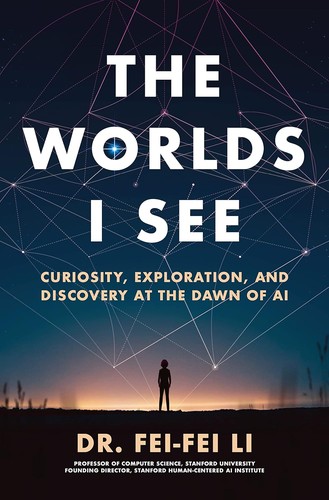
The memoir of the creator of ImageNet, the scientist who made the deep learning revolution in vision possible.
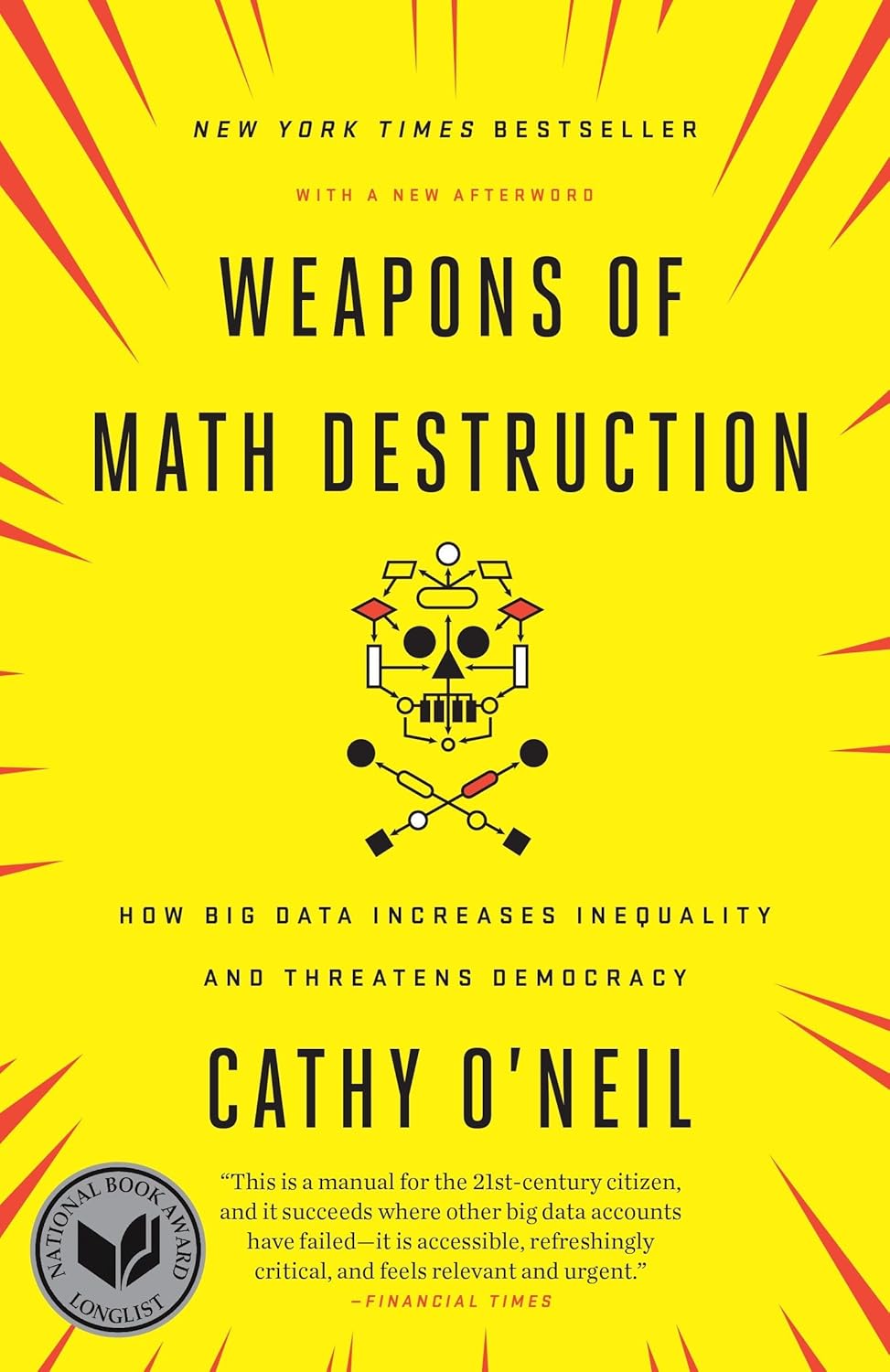
How opaque algorithms decide who gets credit, a job or parole — and why they tend to punish the same people.
As an Amazon Associate, Zendoric earns from qualifying purchases; the price does not change for you. · all our recommended books →
🔗 Related on Zendoric