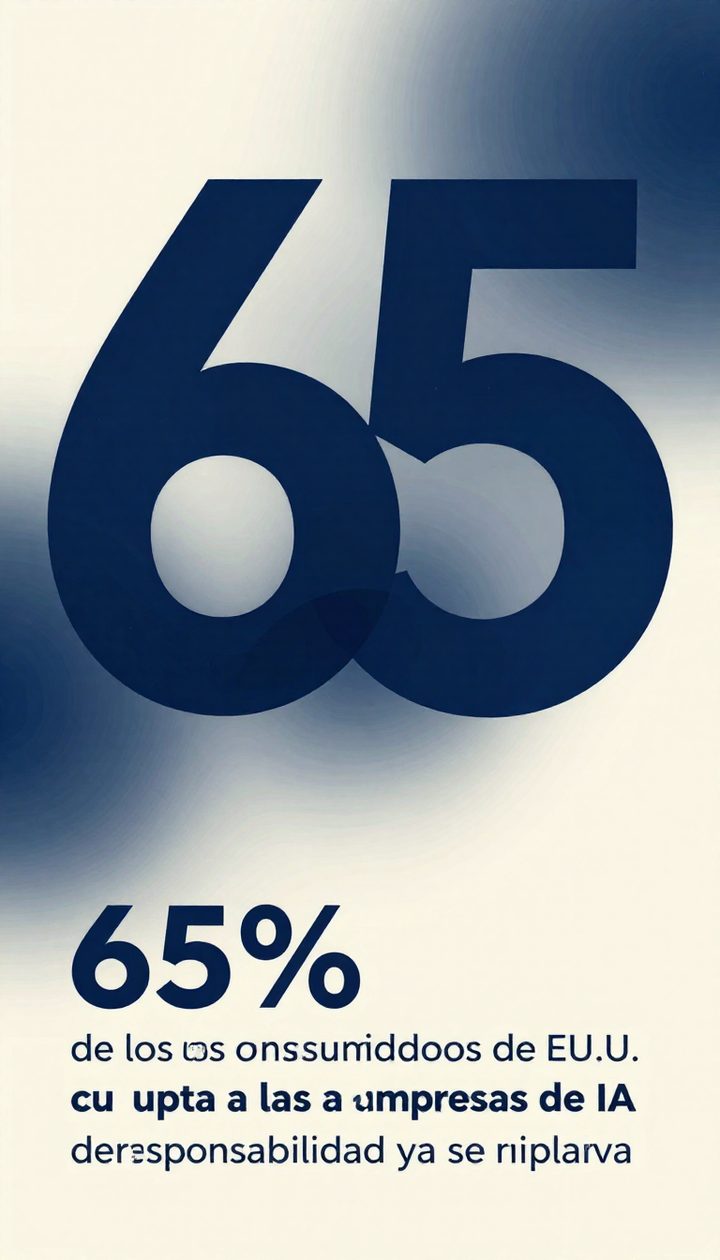
65% of US consumers blame AI companies for agent-driven fraud: accountability is already being demanded
🕒 Published on Zendoric: November 4, 2026 · 00:20
✨ AI-generated · how it's made
A SEON survey, cited by FF News, finds that 65% of US consumers hold AI companies responsible for fraud committed with agents. The figure matters less than what it foreshadows: who will end up paying when an agent commits fraud.
📚 Go deeper

How opaque algorithms decide who gets credit, a job or parole — and why they tend to punish the same people.
As an Amazon Associate, Zendoric earns from qualifying purchases; the price does not change for you. · all our recommended books →
By FF News · November 3, 2026.
According to a survey by SEON, a fraud-prevention company, 65% of US consumers blame AI companies for agent-driven fraud. In other words, for scams carried out or automated by AI systems acting on their own. We only have the headline and the feed description. We don't know the sample size, the methodology or the remaining figures, so we neither take them at face value nor fill them in.
One caveat: SEON sells anti-fraud tools. A survey from that source is a signal of public perception, not a measurement of actual fraud. A 65% figure tells us what people expect, not what courts or regulators will decide.
Our take: the figure points to a shift in expectations. With agents, the user is no longer the only weak link who falls for a scam. There is now an intermediate piece, the agent, with the ability to act, and the public is already pointing at whoever builds it. If that idea takes hold, AI companies will face pressure to take responsibility for identity verification, permissions and traceability of what their agents do.
Broadly, this fits a trend we follow: the real near-term risk of AI is the automation of fraud rather than a distant superintelligence. It is an uncomfortable transition, but a manageable one. If responsibility is clearly assigned, incentives push toward safer agents, and that trust is a precondition for AI to deliver its full value in the long run. With a single survey, however, it is wise to wait for more solid data before drawing firm conclusions.
📚 Go deeper

Algorithms in justice, medicine, cars and art, explained with British humor and mathematical honesty.
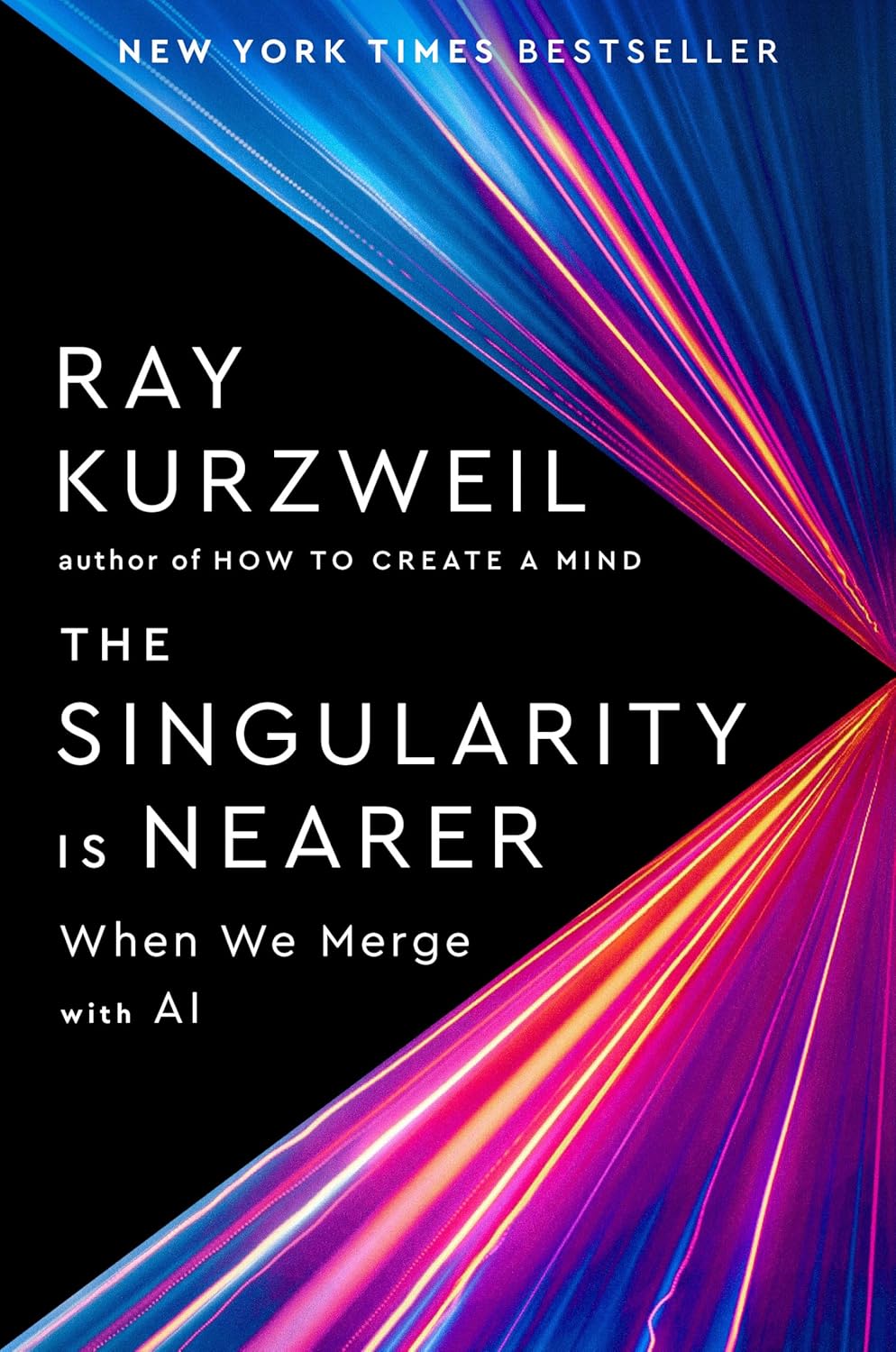
Twenty years after "The Singularity Is Near", Kurzweil revisits his predictions and keeps the date: human-AI merger around 2045.
As an Amazon Associate, Zendoric earns from qualifying purchases; the price does not change for you. · all our recommended books →
🔗 Related on Zendoric
- 69% of Americans Want to Seize Half of AI Firms—The Backlash Is Now a Live Policy Threat · 2026-07-13
- 88% of UK companies have already had an AI agent incident: we're deploying faster than we can monitor · 2026-10-24
- 69% of the U.S. already wants to expropriate half of AI companies: layoffs have politicized abundance · 2026-07-13