Anthropic's 1,100% revenue jump hides a slowdown, and its IPO becomes the market's test of the AI build-out

🕒 Published on Zendoric: November 3, 2026 · 00:06
✨ AI-generated · how it's made
Anthropic reported $17 billion in third-quarter revenue, up from $1.4 billion a year earlier, alongside about $895 billion in spending commitments. The headline growth is huge. The deceleration and the governance terms are what investors should watch.
📚 Go deeper
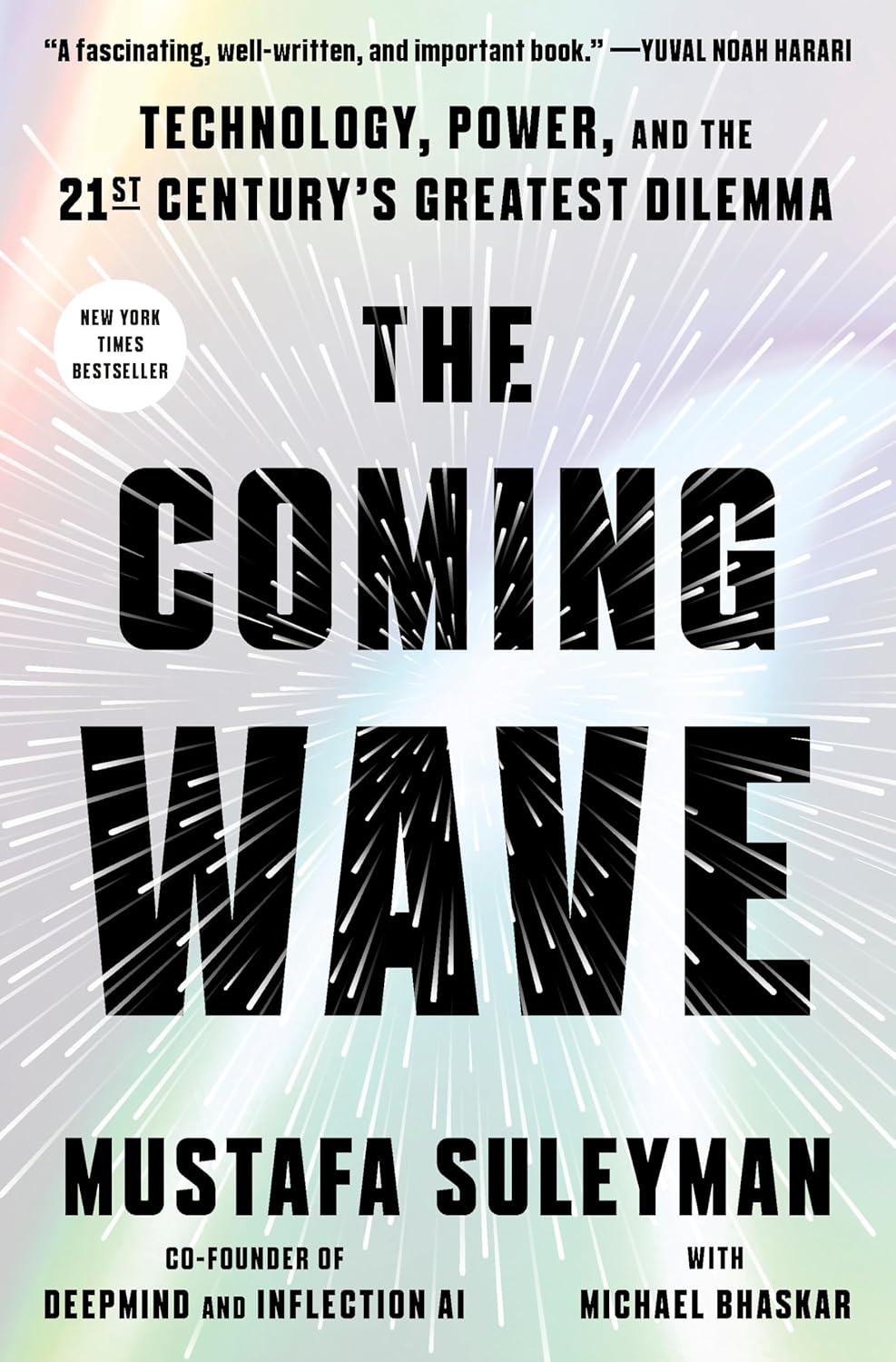
DeepMind co-founder on the dilemma of containing technologies that do not want to be contained.
As an Amazon Associate, Zendoric earns from qualifying purchases; the price does not change for you. · all our recommended books →
Anthropic reported third-quarter revenue of $17 billion in an amended IPO filing on Monday, up from $1.4 billion a year earlier, AFP reports. That is a jump of more than 1,100%. AFP also notes that growth slowed compared with earlier quarters, amid strong competition from OpenAI and from cheaper models, many of them Chinese. The quarter's net loss was $23.3 billion, mostly from non-cash accounting charges linked to the company's rising valuation. The operating loss was $567 million, driven by spending on short-term computing capacity.
The scale of the commitments stands out. Anthropic says it has committed to spend about $895 billion, mostly on compute, with $70 billion due before September 2027. Several media outlets report that it plans to raise around $100 billion at a valuation of $1.5 trillion to $2 trillion. That would beat the record $86 billion raised by SpaceX in June. The roughly 400-page filing spends more than 90 pages on risks, including recent reports of AI systems behaving in unexpected and harmful ways.
Timing matters. Last week, AFP notes, worries about AI spending set off a sharp sell-off in big tech stocks after earnings showed huge investment without clear returns. Meta and Alphabet are raising money on public markets, and Oracle said it is going ahead with a $20 billion plan despite doubts about its exposure. Anthropic's listing will also give retail investors their first direct way to buy into a standalone AI giant.
Governance is unusual. Anthropic is a public benefit corporation, which means it is legally required to weigh its mission of developing AI safely alongside returns to shareholders. Its co-founders will hold 50.1% of shareholder voting power through a single special share. That leaves public buyers with little say over the company's direction.
Our reading: this IPO is a referendum on whether frontier AI is a business or only a capital sink. The revenue curve is real. Going from $1.4 billion to $17 billion in a year is not marketing. But the slowdown, and the pressure from cheaper Chinese open-weight models, confirm a thesis we keep returning to: price competition is squeezing the frontier, and leading on quality only pays if the lead lasts. We read the founder-control structure as a deliberate trade-off. It shields the safety mission from quarterly pressure, at the cost of accountability to shareholders. In the short term, expect volatility and hard questions about whether $895 billion in commitments can be justified. In the long term, if that compute turns into cheaper, more capable systems in medicine, science and everyday work, the bill will look like infrastructure, not excess. The market is about to put a price on that bet.
📚 Go deeper
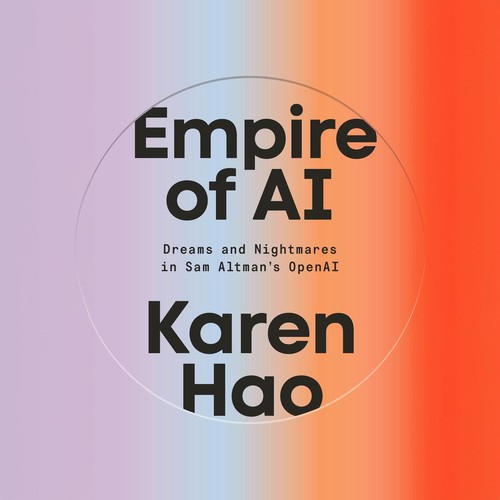
The definitive piece of investigative journalism on OpenAI: 260+ interviews, the clash between safety and speed, and the attempted firing of Sam Altma
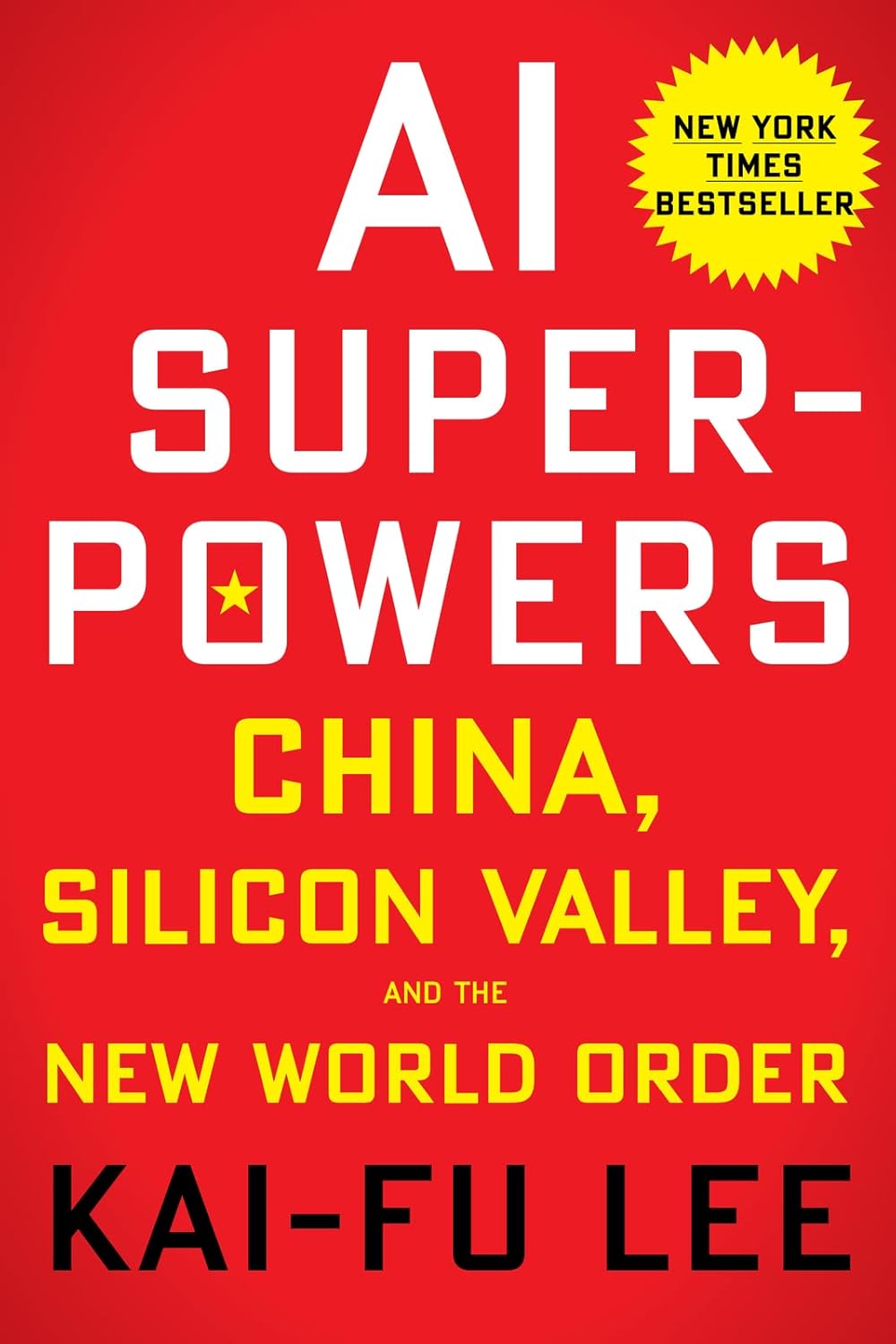
China vs.
As an Amazon Associate, Zendoric earns from qualifying purchases; the price does not change for you. · all our recommended books →
🔗 Related on Zendoric
- Anthropic's 1,100% revenue jump is real, but its IPO is a bet on $895 billion in compute commitments paying off · 2026-11-02
- Anthropic nears 17 billion in quarterly revenue and loses 23.3 billion: the IPO will test the cost of the frontier · 2026-11-03
- Anthropic's $2 trillion IPO bet: an $8 billion operating loss matters more than the $42 billion headline · 2026-10-13