Liability in clinical AI: doctors no longer bear the risk alone, and that's a good sign

🕒 Published on Zendoric: November 3, 2026 · 00:06
✨ AI-generated · how it's made
Healthcare Dive reports that AI vendors and health systems are joining physicians in liability for clinical AI. We only have the headline, but the trend matters: sharing the blame is a precondition for deploying medical AI with confidence.
📚 Go deeper

The best starting book if you're not technical: a Wharton professor explains how to work WITH AI — when to delegate, when to supervise, when to keep i
As an Amazon Associate, Zendoric earns from qualifying purchases; the price does not change for you. · all our recommended books →
By Healthcare Dive · November 2, 2026.
The Healthcare Dive headline states that AI vendors and health systems are joining physicians in bearing liability for clinical AI. We have not been able to access the full text, so we cannot specify which legal framework, case or report it refers to, or which figures or jurisdictions it covers. We would rather not fill in what we do not know.
We can, however, offer our take on what this approach implies. Until now, in practice, the risk of an AI-assisted error has tended to fall on whoever signs off on the decision: the clinician. That creates a perverse incentive. If physicians bear all the blame but have no control over how the model was trained, validated or updated, they have reason not to use it or to ignore its alerts.
Our view is that sharing liability among those who develop the tool, those who deploy it and those who make the decision is the sensible path. The vendor is accountable for the model's quality and stated limitations. The hospital is accountable for integration, training and oversight. The physician retains final judgment. For industry context, this logic resembles what already appears in other frameworks that keep a human as the decision-maker and divide up the obligations.
One risk is worth watching: that shared liability dissolves into finger-pointing, with each party blaming another. The key will lie in contracts and clear rules on what gets audited, what gets logged and who answers for each failure.
In the short term, this will bring friction: more red tape, more expensive insurance and slower rollouts. In the long term, well-distributed liability is what will allow diagnostic AI, promising today, to reach everyday practice safely. That is the path toward earlier, more preventive medicine, and ultimately toward eradicating diseases we currently detect too late.
📚 Go deeper
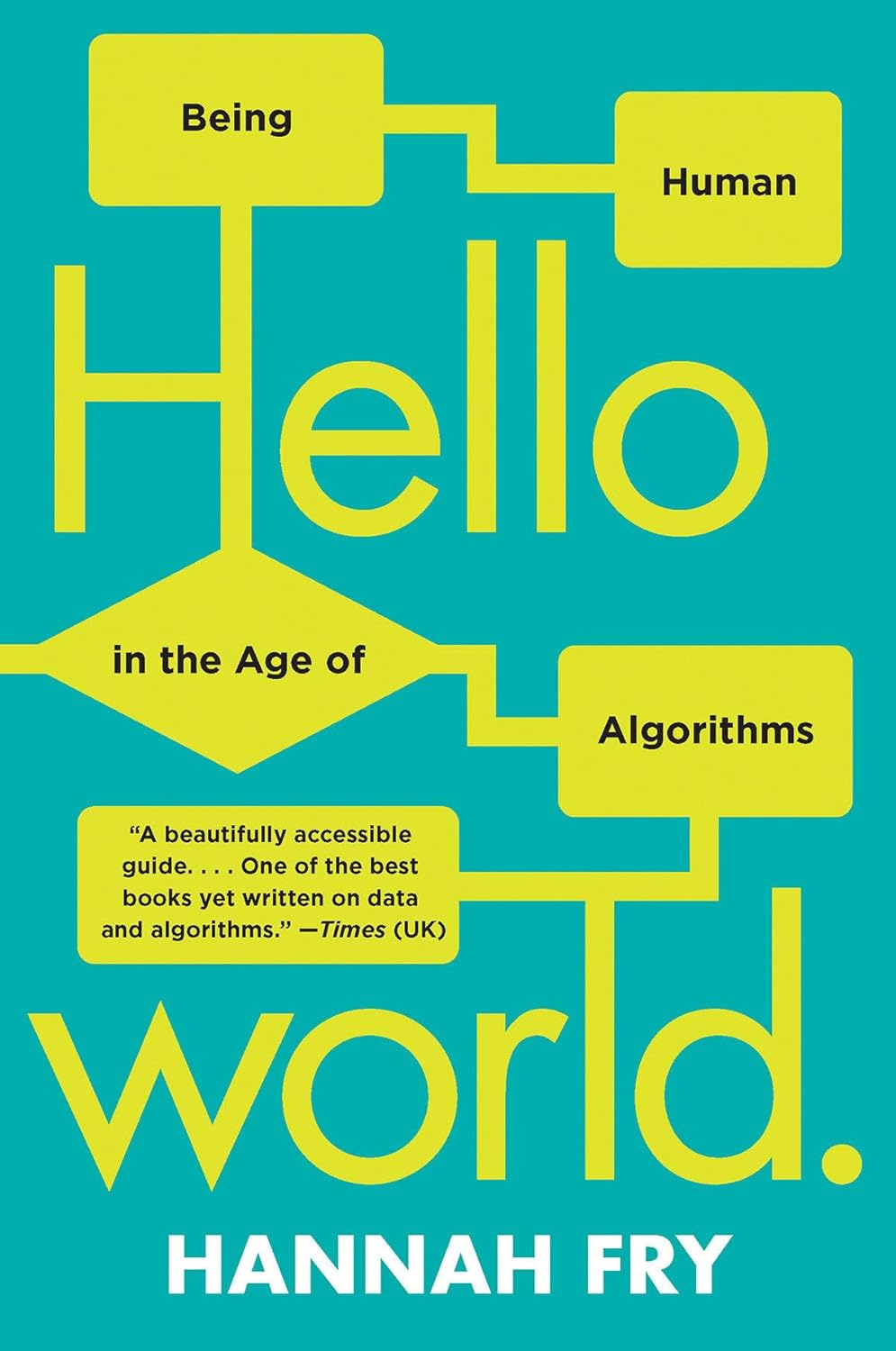
Algorithms in justice, medicine, cars and art, explained with British humor and mathematical honesty.

AI as the latest chapter in the history of information networks, from gossip to the printing press to the algorithm.
As an Amazon Associate, Zendoric earns from qualifying purchases; the price does not change for you. · all our recommended books →
🔗 Related on Zendoric
- Lapsi Health embeds its clinical AI into medical records via Redox: the plumbing matters more than the algorithm · 2026-07-28
- US hospitals ask for a single AI rule, not a patchwork of 50 state laws · 2026-09-17
- UCLA Health bets on AI for cancer detection: another sign that precision medicine is no longer just a promise · 2026-06-26