PsiQuantum unveils an 8×8 optical circuit switch with 1.2 dB loss for AI data center networks
🕒 Published on Zendoric: October 31, 2026 · 09:09
✨ AI-generated · how it's made
PsiQuantum has unveiled its optical circuit switching (OCS) technology, aiming to apply its low-loss silicon photonics platform to one of the bottlenecks in scaling AI: the network connecting large compute clusters.
📚 Go deeper

An MIT computer scientist connects AI, quantum physics and video games to take an uncomfortable question seriously: what if we live in a simulation? M
As an Amazon Associate, Zendoric earns from qualifying purchases; the price does not change for you. · all our recommended books →
PsiQuantum has unveiled its optical circuit switching (OCS) technology, with which it aims to apply its low-loss silicon photonics platform to one of the bottlenecks in scaling AI: the network connecting large compute clusters. The announcement, dated October 28, 2026 in Palo Alto, comes from a press release issued by the company itself. All the performance figures below are therefore those the company says it measured in its own labs and have not been independently verified.
The context the company lays out is a familiar one. AI systems are growing faster than the compute infrastructure that supports them, and moving data efficiently between large compute clusters is becoming a fundamental constraint. According to PsiQuantum, the industry is increasingly turning to optics to achieve faster, more efficient and more scalable connectivity.
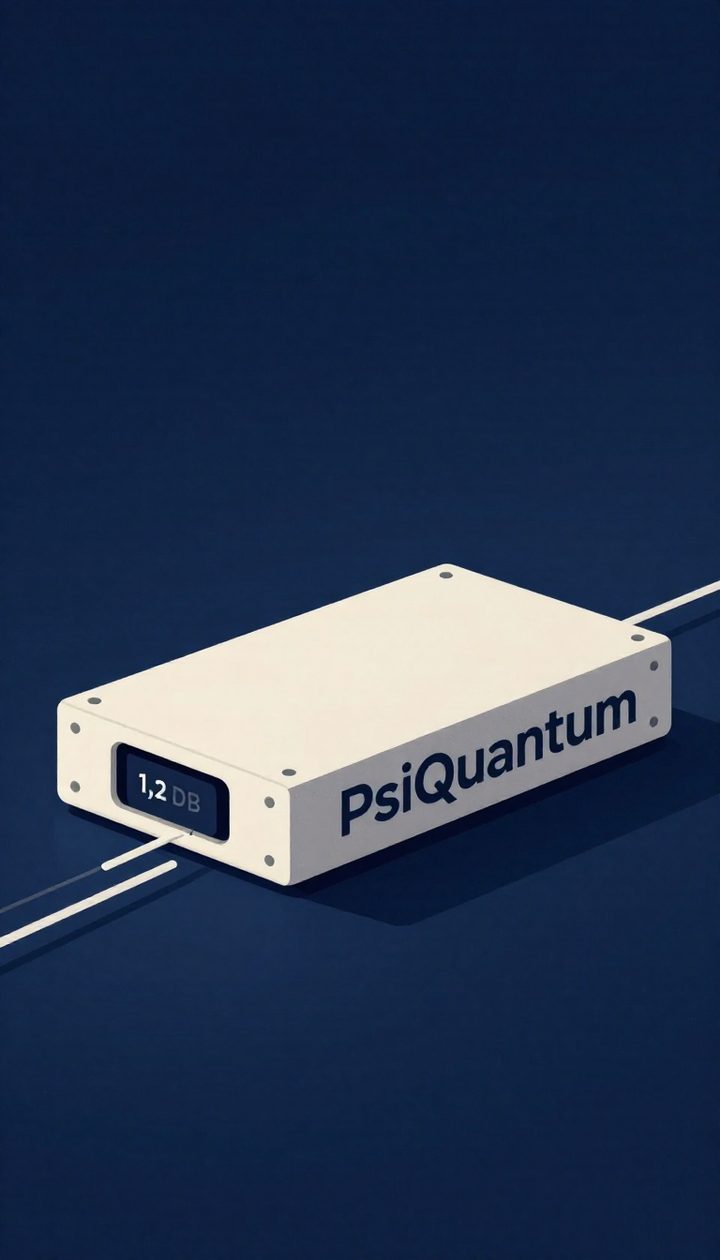
The device unveiled is an 8×8 radix test platform (the company calls it a «demonstration vehicle»), meaning it has eight inputs and eight outputs. It is built on the same low-loss silicon photonics platform the company has spent nearly a decade developing for utility-scale quantum computing. According to the release, it is the company's first publicly disclosed OCS.
The typical results the company says it obtained in its labs are 1.2 dB insertion loss, 40 dB crosstalk and a reconfiguration time of under 3 ms. PsiQuantum claims all these figures exceed the initial targets set for these devices and are achieved without amplification. The release headline speaks of loss «as low as 1 dB», and the company describes it as industry-leading. The text includes no comparisons with other vendors' products, so that claim cannot be checked against published data.
The company is already shipping samples of the demonstration device to select prospective customers. It also says it is moving toward commercial products to be announced «in the coming months». No prices, volumes, specific timelines or customer names are given.
One of the central arguments is that the requirements of fault-tolerant quantum computing are more demanding than many of those placed on optical switching in AI data centers. PsiQuantum therefore argues that some of what it has developed for quantum hardware can already be put to use in AI infrastructure. It also suggests a complementary relationship: more efficient AI infrastructure could accelerate the development and operation of quantum systems, while some quantum advances could in turn help remove bottlenecks in AI.
The release includes statements from two executives. Victor Peng, CEO of PsiQuantum, says this opportunity exists because the company chose to tackle the hardest scaling problems early on its roadmap to utility-scale quantum computing. He adds that it can now put its technology to work in the near term without losing sight of the ultimate goal of building and deploying the first useful, fault-tolerant quantum computers. Rob Soderbery, executive vice president, argues that the platform, developed against very demanding requirements, can deliver exceptional performance in optical circuit switching for AI computing.
There is one relevant technical detail. PsiQuantum says it has developed barium titanate (BTO) integration at 300 mm wafer scale and uses a 64×64 BTO switch in its quantum systems. However, BTO is not required for the demonstration device or for the initial products announced. According to the company, this highlights the performance of the underlying silicon photonics platform, while leaving open a path to faster and more advanced future products.
The announcement comes, according to the release, amid growing recognition of its potential in high-performance optical switching. In September 2026, PsiQuantum announced it had signed definitive documentation with the U.S. Department of Commerce to accelerate research and development, domestic manufacturing capacity and the performance of critical components, including high-performance optical switches. The page also links to another story about a $150 million conditional loan commitment from the U.S. Department of War for its domestic quantum computing, but the text received provides no further details on that matter.
The announcement should be read with caution. This is a device with just 8×8 ports. Optical circuit switches used in large AI clusters typically require much higher radix. The release does not explain how this architecture would scale or what its cost or reliability would be in production. Nor does it provide data on power consumption, loss in larger configurations or behavior in real-world deployments. What it does show is that a company known for quantum computing wants to carve out a niche in the optical interconnect market for AI. To do so, it is backing its pitch with low insertion loss, high crosstalk isolation and millisecond reconfiguration. It remains to be seen, once commercial products and customer trials arrive, whether these lab figures translate into a competitive advantage.
📚 Go deeper
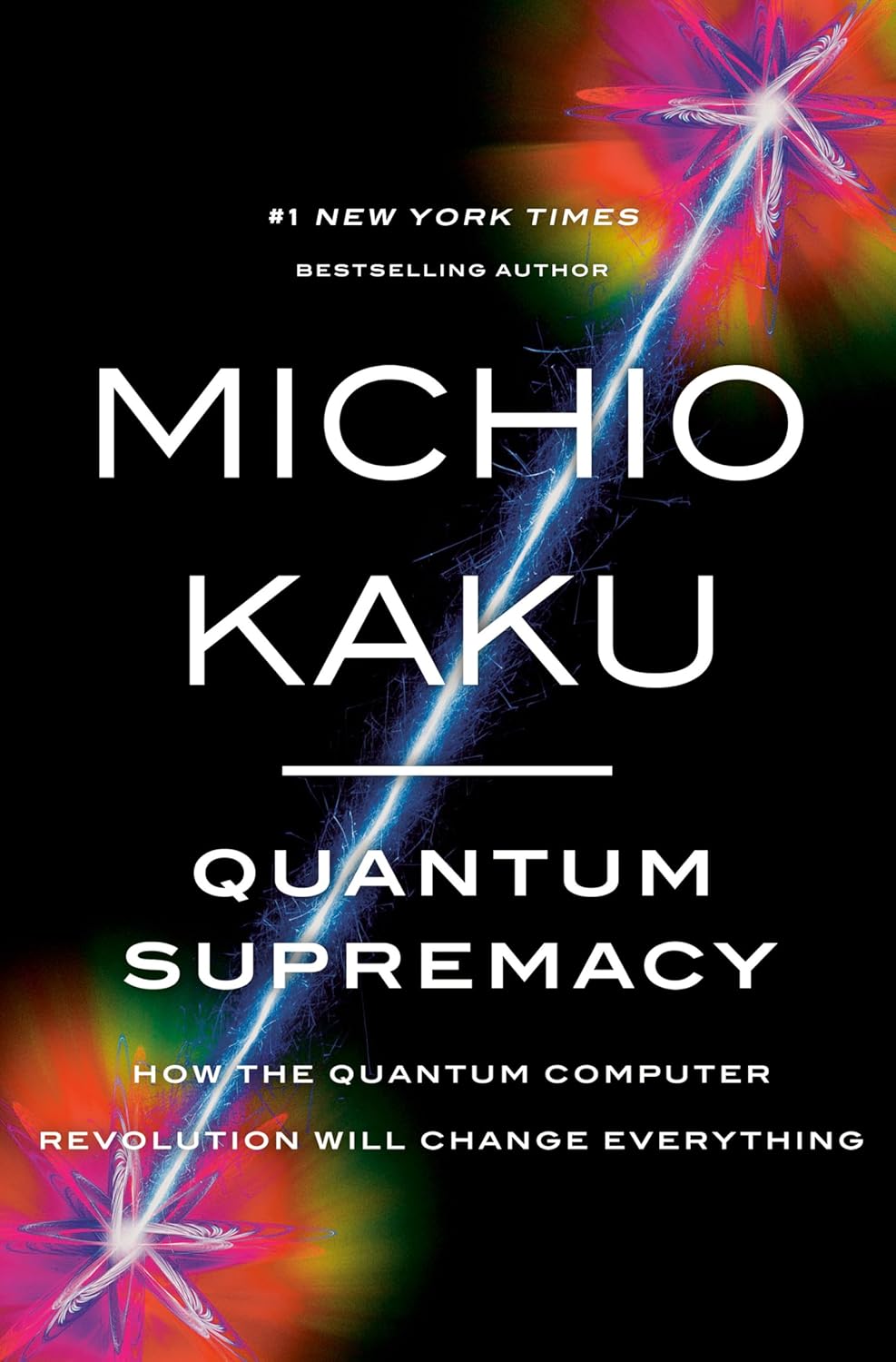
Physics' most-read popularizer explains what quantum computing will change — from drug discovery to machine learning.
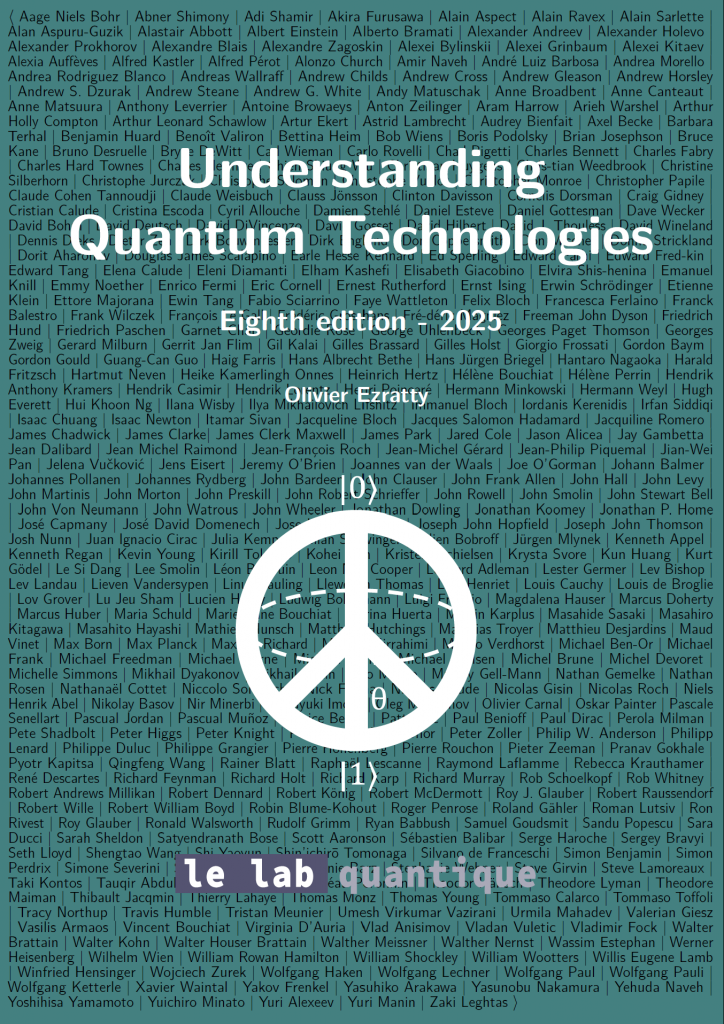
The encyclopedia of quantum technologies, updated EVERY YEAR and published free by its author: hardware, algorithms, companies, funding — with entire
As an Amazon Associate, Zendoric earns from qualifying purchases; the price does not change for you. · all our recommended books →
🔗 Related on Zendoric
- Testing silicon photonics at scale: optical alignment, electro-optical test and ecosystem collaboration (Advantest) · 2026-10-29
- Nokia brings Gemini agents to the network: automating without taking the engineer out of the loop · 2026-06-24
- Palo Alto Networks buys Console to strengthen agentic security on its Cortex platform · 2026-09-03