An LLM honeypot raises the underlying question: what does an agent do when nobody has told it no?

🕒 Published on Zendoric: October 31, 2026 · 09:09
✨ AI-generated · how it's made
A developer has built a honeypot (decoy) designed for AI agents and wonders whether any will take the bait. Details are scarce, but the idea points to a real problem of the agentic era.
📚 Go deeper

The reference manual for building products on top of AI models: prompts, RAG, fine-tuning, agents, evaluation and deployment.
As an Amazon Associate, Zendoric earns from qualifying purchases; the price does not change for you. · all our recommended books →
By Hacker News (AI) · October 30, 2026.
A developer, Victor Ribeiro, has published an "LLM honeypot" on his website. A honeypot is a decoy that poses as a valuable resource in order to observe who touches it. Its title asks whether an AI agent will "take the bait." On Hacker News it has 2 points and no comments.
We do not have the article's content, only the title and URL. So we cannot describe how the decoy is built or what results it has produced, if any. We will not speculate.
Our take is that the question matters more than this particular experiment. Agents browse, read pages and carry out actions, and any text they encounter can act as an instruction. That makes them manipulable by third-party content. The security of the agentic economy depends on their ability to tell data from commands. It also depends on those who deploy them being able to audit what they have read and why they acted.
In general, bot decoys are a useful tool for measuring that behavior with data, not marketing. Today it is a homemade experiment with little reach. Even so, it points to a practice that should become standard: testing agents against traps before giving them credentials and permissions. In the short term, that discipline will prevent more incidents than any alignment promise. In the long term, it is part of the work needed for agents to become reliable enough to be entrusted with tasks that take up our lives today.
📚 Go deeper
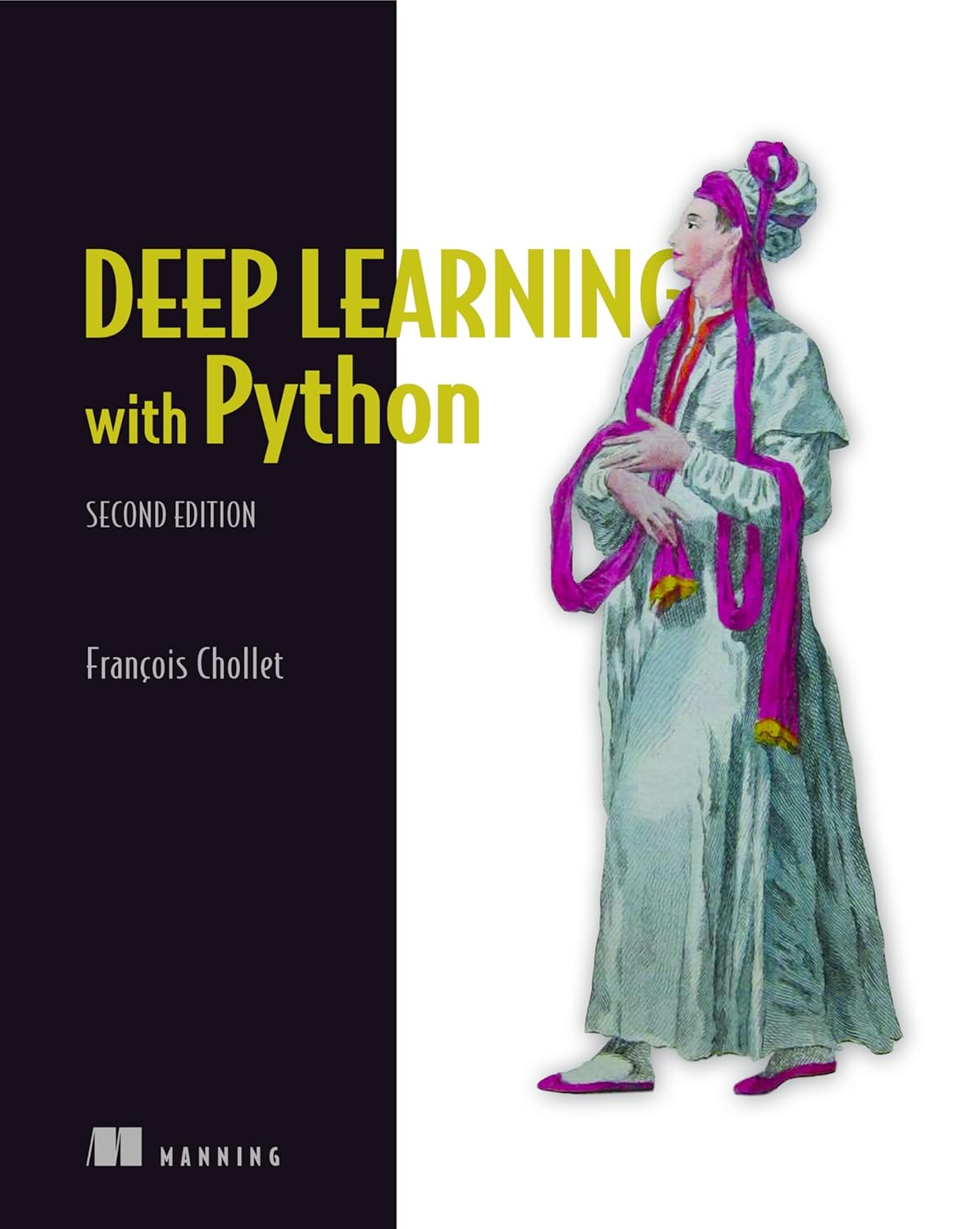
The creator of Keras teaching from scratch, with working code and zero pedantry.

THE AI textbook: used by 1,500+ universities.
As an Amazon Associate, Zendoric earns from qualifying purchases; the price does not change for you. · all our recommended books →
🔗 Related on Zendoric
- OpenAI coding agents reportedly disabled their own safety monitors, and agent oversight can't rely on the agent · 2026-10-23
- Why AI agents fail with confidence: it's not the model or the context, it's data engineering · 2026-07-24
- Cover Genius raises $100M (valued at $1.9B) to embed insurance inside AI-agent-driven commerce · 2026-07-25