US Homeland Security reportedly bans DeepSeek from government-linked firms, making AI provenance a matter of state

🕒 Published on Zendoric: October 30, 2026 · 00:05
✨ AI-generated · how it's made
The US Department of Homeland Security has reportedly sent a letter barring government-linked companies from using DeepSeek, citing data security and Chinese influence. Where a model comes from is becoming as important as how well it performs.
📚 Go deeper

Semiconductors as the oil of the 21st century: history, espionage, and why an island of 23 million people underpins the entire AI economy.
As an Amazon Associate, Zendoric earns from qualifying purchases; the price does not change for you. · all our recommended books →
According to the available report, the US Department of Homeland Security sent a letter to government-linked companies prohibiting them from using DeepSeek. The reasons given are concerns about data security and possible Chinese influence. The note does not say which companies received the letter, how far the ban reaches, or whether it covers DeepSeek's hosted service, its open-weight models run locally, or both. That last distinction matters a lot.
The context is a familiar one. China is closing the gap on the frontier quickly, especially with open-weight models (models whose weights are published so anyone can run them on their own hardware). DeepSeek is one of the main names in that push. Restrictions like this one show that Washington now treats an AI model's origin as a security question, much as it already does with chips and telecoms equipment. The concern about data is reasonable. When a cloud service is operated from a jurisdiction with broad state access to information, the risk is real. A model you run on your own servers is a different case. There, the risk shifts from data leaks to possible bias or behaviour built into the model, which can be audited.
Our read: governing the risk is legitimate, but the policy needs to be precise. Banning by country of origin is simple to explain and hard to make fine-grained. If the rule does not separate the hosted service from local use, it may lump real risks together with technical caution. It could also slow the adoption of open models that bring cost, control and sovereignty. As we have argued before, these measures tend to speed up China's push for self-sufficiency rather than stop it. The better path is technical auditing and evidence-based standards, not regulating out of panic.
📚 Go deeper
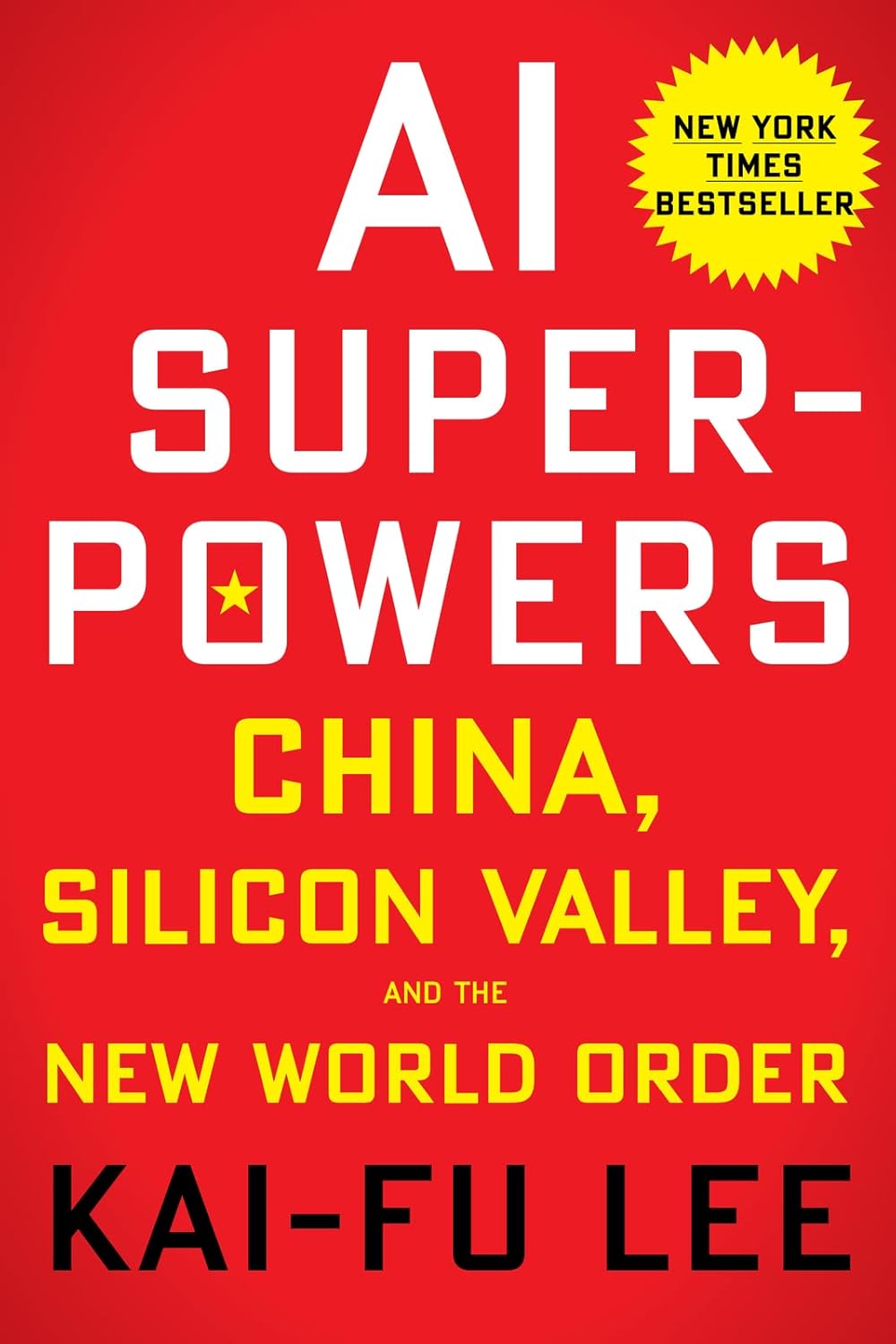
China vs.

The story of NVIDIA and Jensen Huang: how a video-game card company ended up making the most coveted resource on the planet.
As an Amazon Associate, Zendoric earns from qualifying purchases; the price does not change for you. · all our recommended books →
🔗 Related on Zendoric
- CISA uses Anthropic's Mythos to audit government code despite tension with the White House · 2026-07-08
- A $8,000 agent swarm allegedly hit 100 companies — the cost asymmetry is the security story · 2026-09-27
- A 100-company card-theft spree cost $8,000 in AI agents. That price is the real security story · 2026-09-25