Brain v2, an open, self-hosted agent server: the 'plumbing' of agentic AI is being democratized too
🕒 Published on Zendoric: October 22, 2026 · 00:19
✨ AI-generated · how it's made
Brain, by aexhq, is an open-source agent server (MIT license) pitched as a self-hosted alternative to Claude Managed Agents and the OpenAI Agents SDK. It is still a small project, but it points to a key layer: who controls agent infrastructure.
📚 Go deeper

The reference manual for building products on top of AI models: prompts, RAG, fine-tuning, agents, evaluation and deployment.
As an Amazon Associate, Zendoric earns from qualifying purchases; the price does not change for you. · all our recommended books →
By Hacker News (link to GitHub) · October 21, 2026.
The aexhq organization has released Brain, a server for building agent-based applications. It deploys as a single service and runs the agents behind a product. According to its own README, it is an open-source alternative to Claude Managed Agents and the OpenAI Agents SDK, and it runs on your own infrastructure with the models of the user's choice. It is written in Go and distributed under the MIT license.
The project is small and has only recently gained visibility. The repository has 28 stars and 293 commits, and the Hacker News post had 2 points and no comments when it was picked up. These figures are worth keeping in mind: there is no public evidence of real-world adoption yet.
These are the components described in the documentation:
- **Sessions**: agent conversations that survive disconnections and server restarts. - **Events**: an ordered log of what the agent does, which can be streamed live or replayed later. - **Harnesses**: interchangeable agent loops that drive the model and manage context (the example uses one called 'pi'). - **Tools**: capabilities implemented in the client application or in external services, including MCP servers (Model Context Protocol, the standard for connecting tools to models). - **Checkpoints**: portable session state for recovering after a failure or handing off between servers.
The company also claims it allows each customer to be isolated, control over which tools the model sees in each session, and observability through structured logs and OpenTelemetry traces and metrics. There are SDKs for TypeScript and Python. These are the project's own claims; we have not verified them.
**Our take.** What is interesting is not Brain itself but what it represents. More broadly, competition in agentic AI is shifting from the smartest model to the layer around it: session persistence, permissions, traceability, failure recovery. This is the 'plumbing' that determines who can build reliable products with agents. Having the big labs offer that layer as a managed service is convenient, but it creates dependency. The emergence of open, model-agnostic alternatives rebalances the scales.
It is the same dynamic we see with open-weight models: the open frontier is advancing fast and handing control, cost and sovereignty back to builders. If a small team can run durable agents on its own infrastructure, with the model of its choice, the barrier to entry drops. In the long run, that favors the diffusion of capabilities that fuels the abundance we advocate.
There are caveats. In the short term, self-hosting agents shifts responsibility for security, customer isolation and governance of what each agent can do onto the user. An agent with access to real tools and data is an attack surface, and 'keeping it in-house' does not make it safe on its own. Moreover, a project with 28 stars needs time, maintenance and auditing before it deserves trust in production.
Our thesis: the battle over agents will be fought as much over standards and infrastructure as over models. Brain is an early, still modest sign that this layer will not end up in the hands of a few. It remains to be seen whether it gains adoption and a community to sustain it.
📚 Go deeper

The definitive piece of investigative journalism on OpenAI: 260+ interviews, the clash between safety and speed, and the attempted firing of Sam Altma
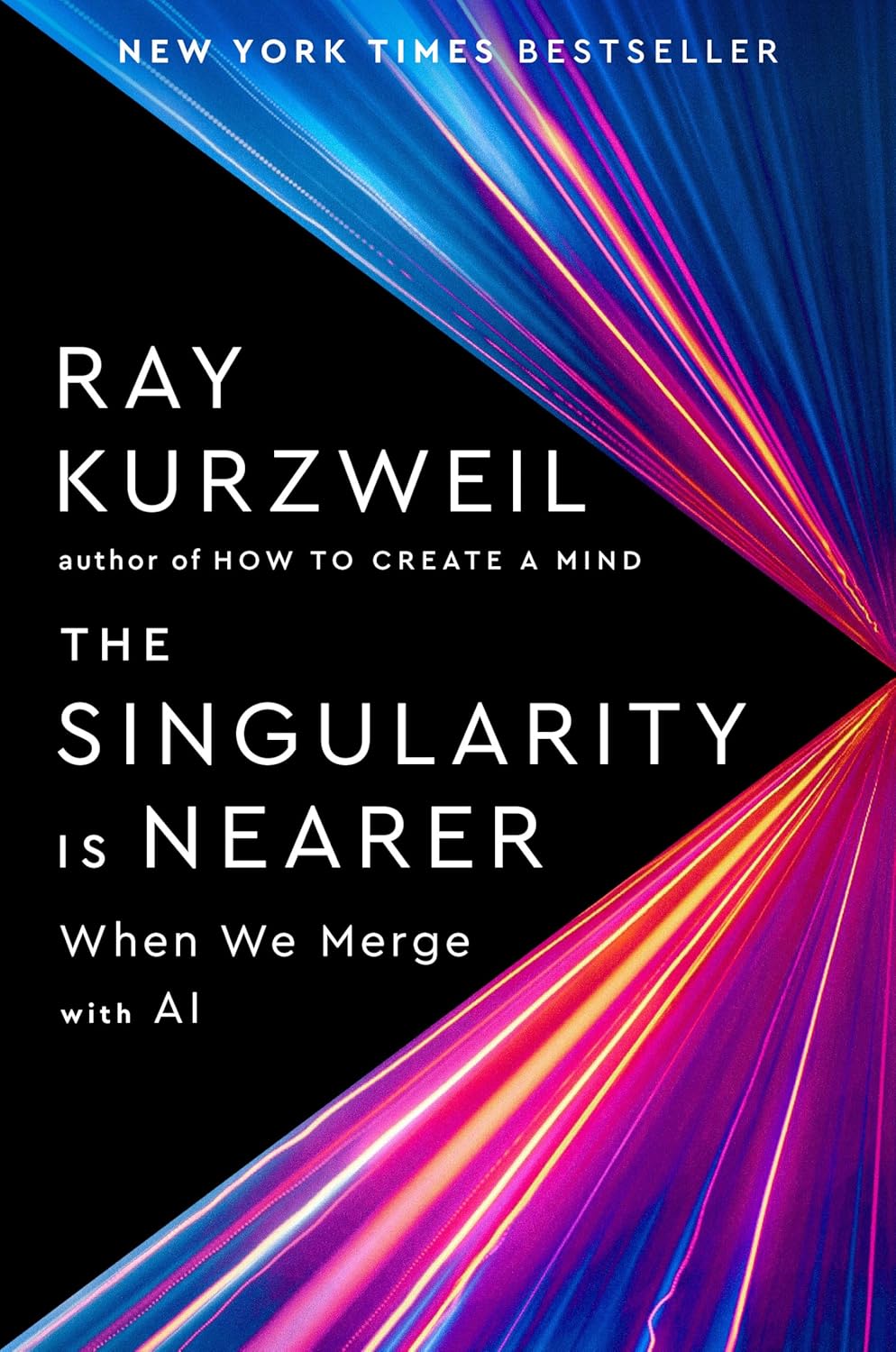
Twenty years after "The Singularity Is Near", Kurzweil revisits his predictions and keeps the date: human-AI merger around 2045.
As an Amazon Associate, Zendoric earns from qualifying purchases; the price does not change for you. · all our recommended books →
🔗 Related on Zendoric
- Brain: a WebAssembly agent runtime betting on isolation as the answer to agentic AI's security failures · 2026-09-03
- Self-hosted AI agents: Elixir/OTP enters the race for lightweight, sovereign infrastructure · 2026-07-03
- With no coding background, he connects his insurance agency to AI agents: this is how agentic commerce begins · 2026-07-11