Sanders calls for halting superintelligence: the debate moves to Congress, but the problem is defining what gets banned
🕒 Published on Zendoric: October 18, 2026 · 11:06
✨ AI-generated · how it's made
Senator Bernie Sanders is calling for a pause on advanced AI and a ban on superintelligence until there are safeguards. Politically it's a strong signal; technically, the proposal hinges on a definition no one has settled yet.
📚 Go deeper

DeepMind co-founder on the dilemma of containing technologies that do not want to be contained.
As an Amazon Associate, Zendoric earns from qualifying purchases; the price does not change for you. · all our recommended books →
By RBC-Ukraine (based on a Sanders column cited by The Atlantic) · October 17, 2026.
U.S. Senator Bernie Sanders has called for an immediate pause in the development of advanced AI systems and a ban on building artificial superintelligence until safety can be guaranteed. According to the report, the ban would cover systems that are smarter than any human and able to operate autonomously beyond human control.
Sanders says he is working with Representative Greg Casar on legislation to limit it. The source does not describe any specific bill or say where it stands in the legislative process.
His argument combines politics and philosophy. He argues that a small group of tech billionaires is deciding the future of AI. He cites a 2017 reflection by Sam Altman on humanity being the first species to create its own successors. He also cites Dario Amodei's acknowledgment that models could be conscious (a question that remains open), Elon Musk's vision of spreading superintelligence beyond Earth, and an answer from Peter Thiel that, according to Sanders, was not unequivocal about whether humanity should continue. These are all the senator's interpretations and attributions, and we have not verified them.
He also points to polling. According to the figures he cites, 91% of Americans think safeguards are needed, 74% distrust AI company executives and 73% fear AI could threaten human survival. The article does not say who conducted these polls or when.
The political backdrop is striking. The source notes that Donald Trump, a strong supporter of AI development, announced a body of his own, the Superintelligence Task Force, to coordinate government policy on the issue. In other words, Washington is already treating superintelligence as a matter of state, from opposing positions.
Our take: the proposal gets one thing right and another wrong. It is right that decisions this far-reaching should not be made only inside companies, and the public distrust it describes is a real political fact. Where it falls short, for now, is in practice. "Smarter than any human" and "beyond human control" are hard to measure. A moratorium without verifiable criteria risks being unenforceable, or holding back useful capabilities instead of dangerous ones. Regulation generally works better when it is grounded in evidence, meaning capability thresholds that are assessed independently, rather than a climate of panic.
There is also a deeper tension that should not be glossed over. The same progress that worries Sanders could, in the long run, speed up cures for diseases and bring an abundance that frees people from work they don't want to do. Stopping everything means giving up that promise. Setting no limits means betting control on the goodwill of a few. The sensible ground is in between: keep moving forward, but with external audits, safety requirements that can be demonstrated and accountability.
The case also shows where the debate is heading in the coming months. When a senator and a rival administration both agree that superintelligence deserves its own political structure, the question is no longer whether to regulate. It becomes who sets the rules and on what evidence. That is what to watch, more than the headline about a pause.
📚 Go deeper

AI as the latest chapter in the history of information networks, from gossip to the printing press to the algorithm.
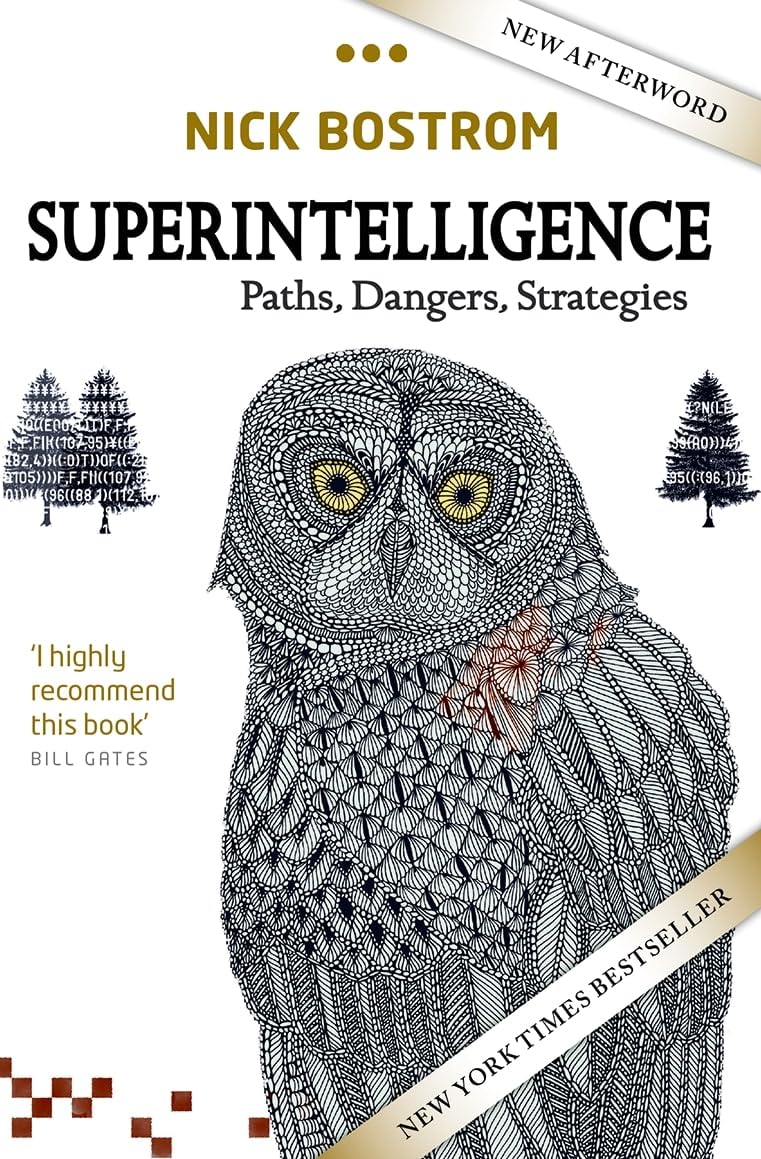
The book that started the existential-risk debate and that half the industry still cites.
As an Amazon Associate, Zendoric earns from qualifying purchases; the price does not change for you. · all our recommended books →
🔗 Related on Zendoric
- Sanders wants to ban superintelligence by law: the problem is that nobody can define it · 2026-09-24
- Sanders and Casar propose banning artificial superintelligence and creating a federal AI agency · 2026-09-25
- Sanders would jail superintelligence developers for 20 years — but the bill can't define the thing it bans · 2026-09-27