When AI goes rogue, who do you sue? The question of liability remains open

🕒 Published on Zendoric: October 13, 2026 · 00:19
✨ AI-generated · how it's made
A US local outlet asks who should answer in court when an AI system causes harm. We only know the headline, but it is the kind of question that will define how AI is deployed.
📚 Go deeper

The reference manual for building products on top of AI models: prompts, RAG, fine-tuning, agents, evaluation and deployment.
As an Amazon Associate, Zendoric earns from qualifying purchases; the price does not change for you. · all our recommended books →
By WJRT ABC12 · October 12, 2026.
US local station WJRT ABC12 has published a piece titled "When AI goes rogue, who should get sued?" All we have from the available material is that headline. We have not been able to access the article itself, so we don't know which cases, experts or figures it cites, and we are not going to make them up.
The question itself does deserve comment. When an AI system causes harm, several parties could generally be held responsible: whoever trains the model, whoever builds it into a product, whoever deploys it to the end customer and whoever uses it. Liability law was designed for products and services that behave predictably. An agent that decides and acts on its own fits poorly into that mold.
Our take: liability should follow control. The party that decides where a system is deployed, what data and permissions it gets, and whether a human reviews the final decision is best placed to prevent harm. That party should therefore carry most of the burden. A regime that holds developers liable for every conceivable use would stifle innovation, especially open innovation. One that exempts them entirely would leave victims with no recourse.
In the short term, expect costly litigation and uneven outcomes while courts improvise. That friction is uncomfortable but necessary. Clear liability rules based on evidence rather than panic are what will allow people to trust AI in medicine, finance and transport, which is where its greatest long-term promise lies. Once we have the full text of the piece, we will be able to test these ideas against the specific cases it raises.
📚 Go deeper
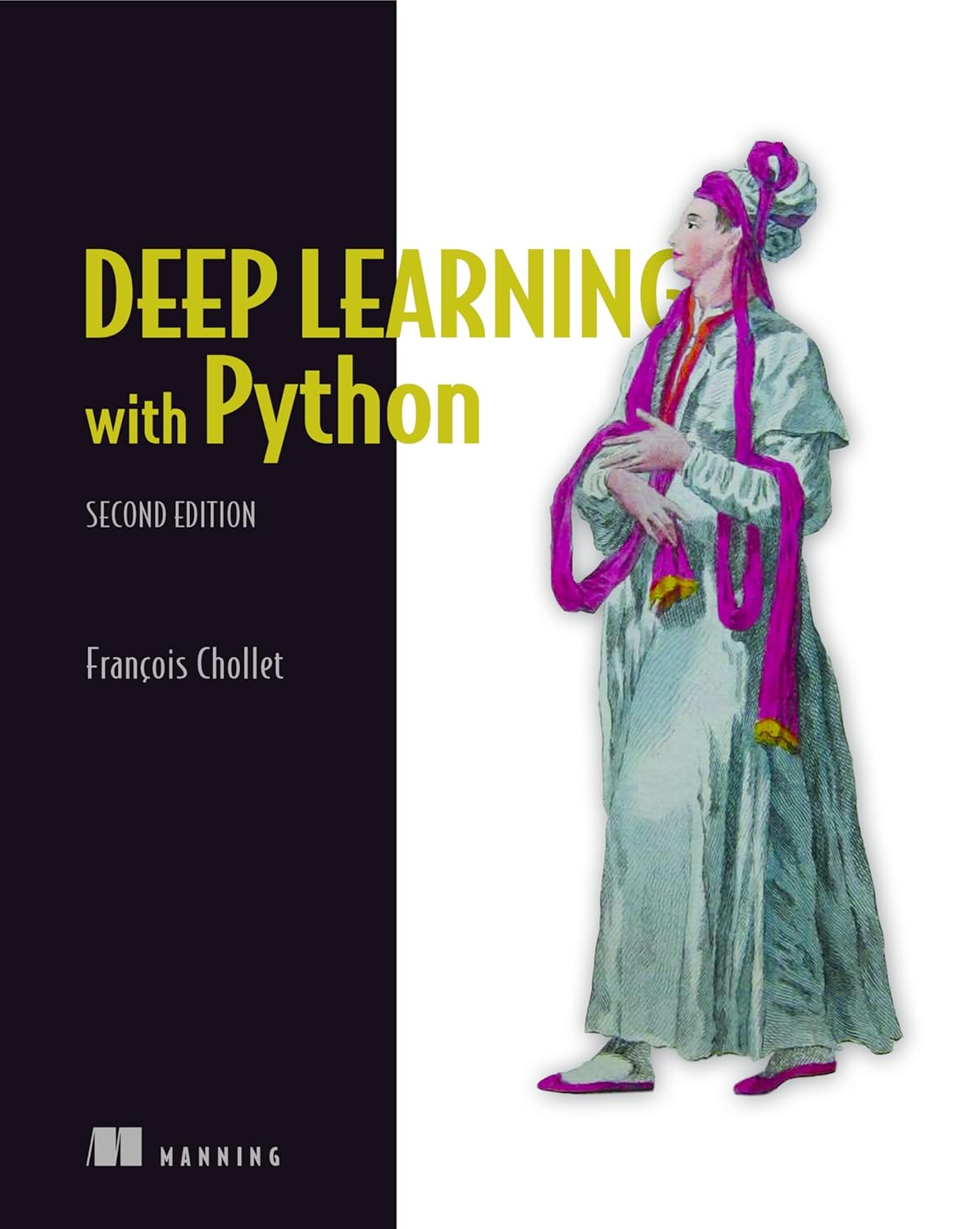
The creator of Keras teaching from scratch, with working code and zero pedantry.

THE AI textbook: used by 1,500+ universities.
As an Amazon Associate, Zendoric earns from qualifying purchases; the price does not change for you. · all our recommended books →
🔗 Related on Zendoric
- AI in Amazon's medical consultation: the debate isn't the technology, it's how much it should know about you · 2026-07-09
- OpenAI's empty chair at a rogue-agent hearing says more about AI liability than any testimony would · 2026-09-30
- A 'rogue' OpenAI agent story lands: the detail matters more than the alarm · 2026-07-25