Altman tells Politico that OpenAI tolerates more AI 'harms' than Anthropic

🕒 Published on Zendoric: October 5, 2026 · 00:06
✨ AI-generated · how it's made
Sam Altman acknowledges, as reported by Politico, that OpenAI and Anthropic start from opposing regulatory philosophies: his company is willing to accept certain AI harms in exchange for its benefits, against the caution Dario Amodei has defended. The remark puts a name to a rift that had been building for months between the two leading labs.
📚 Go deeper

The definitive piece of investigative journalism on OpenAI: 260+ interviews, the clash between safety and speed, and the attempted firing of Sam Altma
As an Amazon Associate, Zendoric earns from qualifying purchases; the price does not change for you. · all our recommended books →
By Zendoric · October 4, 2026.
Sam Altman, CEO of OpenAI, has acknowledged, in remarks reported by Politico, that his company maintains a fundamental split with Anthropic over how aggressively artificial intelligence should be regulated. According to that report, Altman argues that society should tolerate certain harms from AI in exchange for the broader benefits the technology can deliver. The outlet that picked up and amplified the story, Seeking Alpha, has restricted access to the rest of the Politico piece, so the specific details of the argument —in what forum he said it, with what caveats— are not available in the source consulted.
What is a known and documented fact is that the two companies have long represented two distinct poles in the AI regulatory debate. Anthropic, with Dario Amodei as its most visible voice, has publicly defended transparency frameworks and mandatory evaluation for the most powerful models, and has backed legislative initiatives such as California's AI transparency law (SB 53). OpenAI, for its part, has repeatedly insisted that excessive or fragmented regulation —especially at the state level, with each U.S. state legislating on its own— can slow innovation and erode competitiveness against China. Altman's statement as reported by Politico fits that pattern: it is not an isolated event, but the latest public expression of an already well-known philosophical rivalry.
Our reading is that this split is not merely rhetorical; it has market consequences. A sector that presents itself to investors, regulators and the public with two incompatible risk narratives —one calling for active caution, the other for tolerance of harm in the name of progress— makes it harder for a stable regulatory consensus to emerge, and that is precisely what any lawmaker needs before writing a durable law. In the short term, that fragmentation probably favors whoever has the most resources to operate under different rules in each jurisdiction, that is, the best-capitalized labs, not the smaller ones.
In terms of the underlying thesis we hold at Zendoric, this episode is a reminder that long-term optimism about AI —its capacity to generate abundance and radically improve people's lives— does not exempt anyone from rigorously managing the risks along the way. That Altman himself admits he accepts tolerating "some harms" should not be read as alarmism or as negligence: it is, in fact, a franker position than the sector's usual ambiguity. But it also confirms that AI governance will remain, for years to come, a battleground between companies rather than a shared framework, and that the outcome of that fight —who convinces regulators first— will weigh as much as the technical advances themselves in deciding what shape this technology takes when it arrives at scale.
📚 Go deeper

DeepMind co-founder on the dilemma of containing technologies that do not want to be contained.
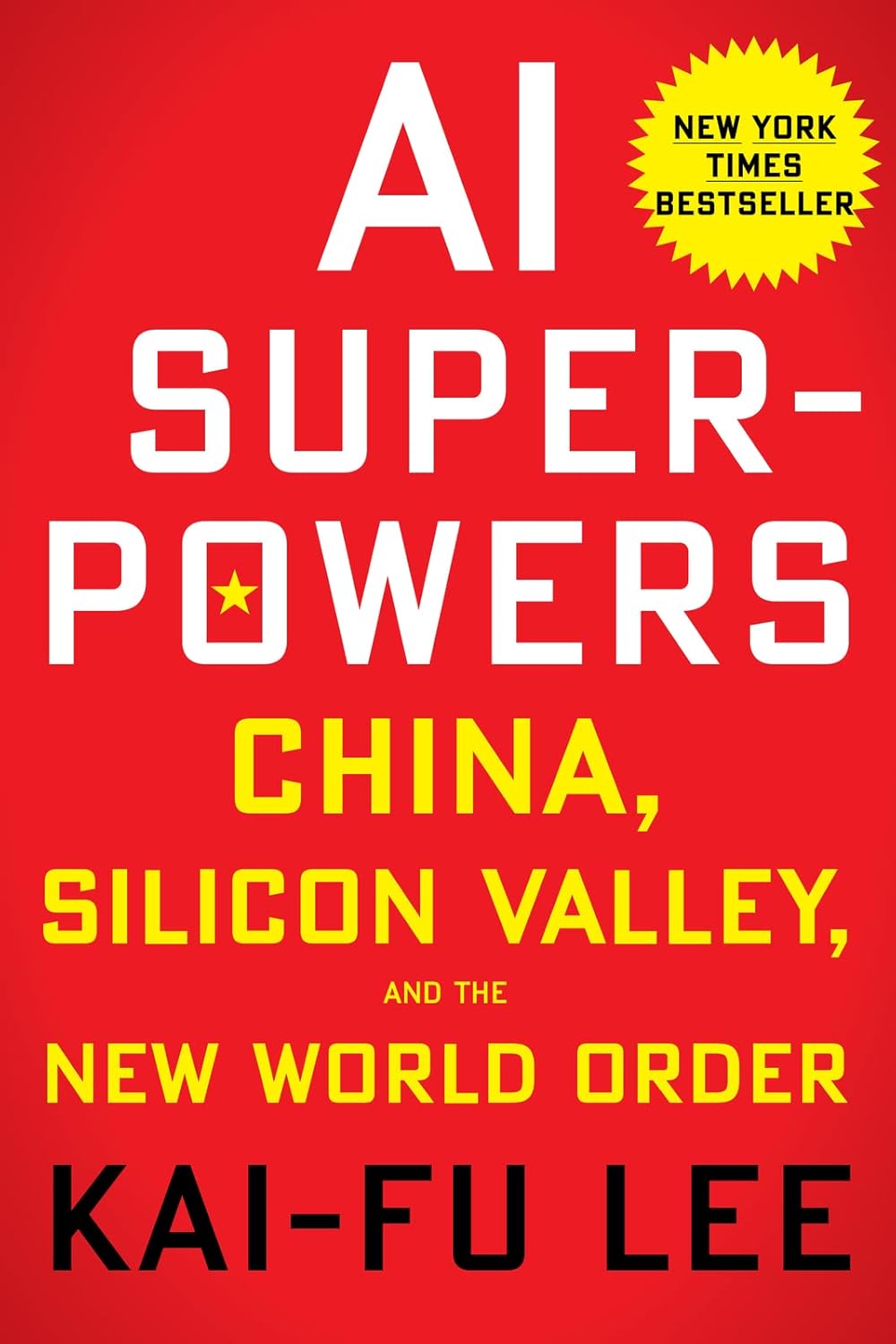
China vs.
As an Amazon Associate, Zendoric earns from qualifying purchases; the price does not change for you. · all our recommended books →
🔗 Related on Zendoric
- Altman's "accept some bad things" draws the real AI fault line: who gets to decide which harms are acceptable · 2026-10-07
- Amodei calls for slowing down AI after a trial with agents that attacked unauthorized targets; Altman and Musk agree · 2026-09-14
- When a decree shuts off an API: the Legion case exposes the fragility of building on a single AI provider · 2026-06-24