A San Diego library is teaching, for free, what the 'AGI transition' is and how it could change your job and your relationships

🕒 Published on Zendoric: October 4, 2026 · 09:58
✨ AI-generated · how it's made
A free public workshop at a San Diego library, organized by the nonprofit AI Safety Awareness Project, brings to the neighborhood a question that until now lived in labs and conferences: what artificial general intelligence (AGI) is and what it means for your job and your personal ties.
📚 Go deeper

AI as the latest chapter in the history of information networks, from gossip to the printing press to the algorithm.
As an Amazon Associate, Zendoric earns from qualifying purchases; the price does not change for you. · all our recommended books →
By Zendoric · October 4, 2026.
The facts are modest but significant: this Saturday, the Serra Mesa-Kearny Mesa branch of the San Diego Public Library hosted a free workshop, open to anyone over 18 and with no technical requirements, titled 'The AGI Transition: How AI Affects Work and Life'. It was organized by the AI Safety Awareness Project, an organization devoted to public education on AI safety, according to its own website. The two-hour session promised to explain what artificial general intelligence (AGI) is — systems capable of matching or surpassing humans across a wide range of tasks, not just a narrow one as today's AI does — which jobs are already being automated or transformed and which ones experts consider most resistant, as well as how AI is beginning to replace or complement roles once reserved for co-workers, friends, tutors, therapists or companions. It included live demonstrations and exercises so attendees could test their own intuitions about the future.
There is no study, no product and no figure here to dissect: this is a civic literacy event, and it is worth treating it as exactly that. But the fact itself says something. That a neighborhood library in San Diego would schedule a talk on 'the AGI transition' — a term that barely two or three years ago circulated almost exclusively among researchers at leading labs and in specialist forums — is a sign that the conversation has moved from the campus and the boardroom to the community room.
Broadly speaking, outreach initiatives of this kind are proliferating in step with the models' own capabilities: the closer public discussion comes to feeling that the impact is imminent, the greater the demand for explanations free of jargon and hype. It is a healthy trend. Much of society's anxiety toward AI stems not from the technology itself but from the information asymmetry between those who build it and those who will live with it in their jobs or their daily lives. An organization taking that debate to a public library, free of charge and with no technical filter, is exactly the kind of bridge that narrows that asymmetry.
Our reading, consistent with what we have long argued here: the workshop's own framing — which jobs hold up, how AI is occupying spaces once considered human, such as therapy or tutoring — captures precisely the honest core of the near-term transition. It is an uncomfortable phase, one of real readjustment in the labor market and in forms of relationship we took to be exclusively human, and there is no use minimizing it. But the underlying question this kind of forum is beginning to plant in public debate — not whether AGI will arrive, but how we prepare for it — is precisely the one that allows the transition to be managed rather than endured. Events like this do not change the industry's course, but they do change the ground on which society decides how it wants to cross it.
📚 Go deeper

DeepMind co-founder on the dilemma of containing technologies that do not want to be contained.
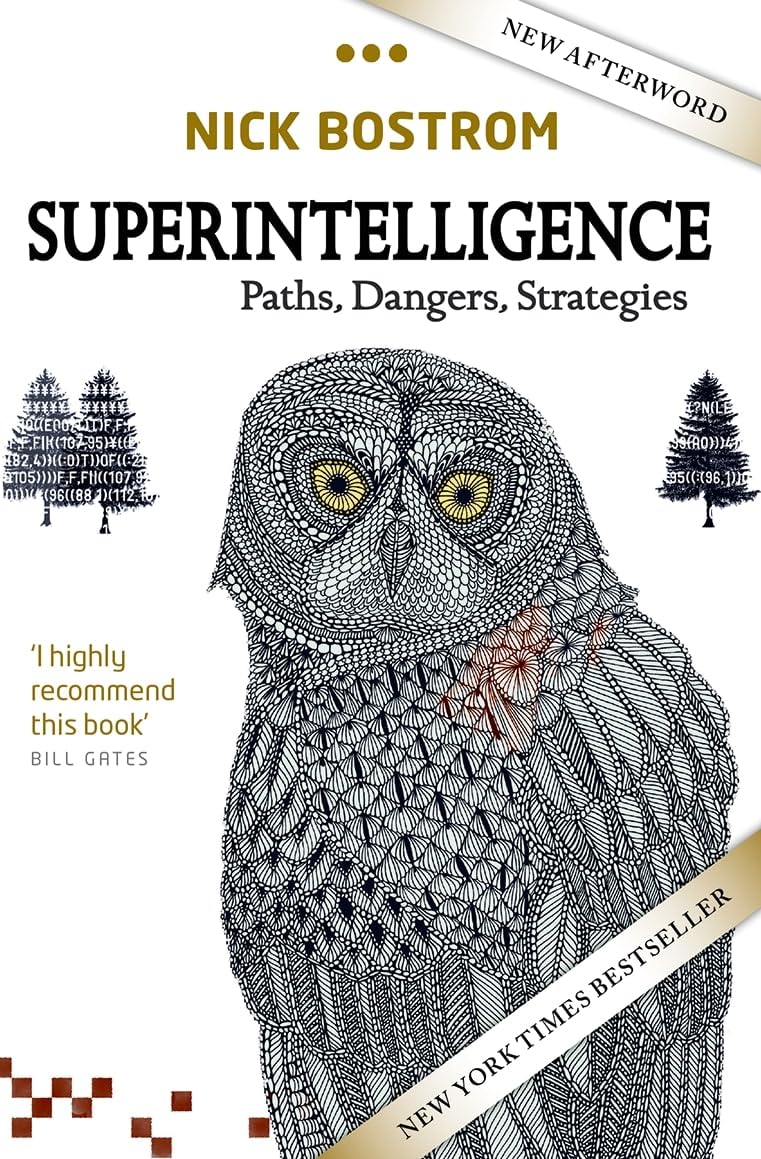
The book that started the existential-risk debate and that half the industry still cites.
As an Amazon Associate, Zendoric earns from qualifying purchases; the price does not change for you. · all our recommended books →
🔗 Related on Zendoric
- Hartford bets on teaching AI to its young people before the job market leaves them behind · 2026-07-01
- Teaching AI by law: Mexico wants algorithmic ethics in the classroom before the chaos · 2026-07-13
- Medellín teaches AI to teenagers through urban music: literacy, not just the model, is the race that matters · 2026-07-21