Musk Says a SpaceX AI Model Could Beat OpenAI and Anthropic in Six Months. That Clock Is the Story

🕒 Published on Zendoric: September 24, 2026 · 00:26
✨ AI-generated · how it's made
Elon Musk claims a SpaceX AI model may surpass Anthropic's and OpenAI's within six months, according to Forbes. No benchmark, no evaluation, no model card accompanies the claim. The useful part isn't the boast — it's that six months is short enough to be checked.
📚 Go deeper

The definitive piece of investigative journalism on OpenAI: 260+ interviews, the clash between safety and speed, and the attempted firing of Sam Altma
As an Amazon Associate, Zendoric earns from qualifying purchases; the price does not change for you. · all our recommended books →
Elon Musk has said that a SpaceX AI model may surpass the frontier systems from Anthropic and OpenAI within six months, according to Forbes. That is the entirety of the verified material: a stated expectation, attributed to Musk, with a deadline attached.
What the report as summarized does not include matters just as much. There is no named model, no benchmark result, no third-party evaluation, no description of training scale. Nothing here is a measurement. It is a projection about a future release, and it should be filed as one.
We've been consistent on this pattern, because it recurs. "Will match X" and "will surpass X" are framing devices, and they are cheap to produce. In our own quality index — one third SWE-bench-Pro, one third LMArena, one third Terminal-Bench — Anthropic's Fable 5 sits at 90 and OpenAI's GPT-5.6 Sol at 79, with Musk's Grok line carried at an estimated 77 precisely because its public signals lean on arena Elo scores that reward answers voters like rather than answers that are correct. A model can climb a leaderboard and still fail the hard, unguided agentic tasks that separate demos from deployable systems. Until someone posts numbers on evaluations that aren't saturated, a claim about beating the frontier is a claim about intent.
The interesting wrinkle is the six-month window. Most AI promises are engineered to be unfalsifiable — vague on the metric, vaguer on the date. This one carries a clock. By roughly March 2027 there will either be a SpaceX-badged model posting competitive results on tasks that discriminate, or there won't. That is a rare gift in this industry, and it's the reason to note the statement at all rather than ignore it.
Our reading: treat this as a scheduling announcement, not a capability announcement, and mark the calendar. The deeper point is that the frontier is now crowded enough that a serious new entrant is plausible — Chinese open-weight labs have already compressed the gap on their own, and competition at the top is what drags capability down into cheap, widely available tools. That diffusion is the mechanism by which AI eventually gets to work on diseases, on diagnosis, on the drudgery that eats human hours. But it gets there through measured, audited, reproducible progress, not through pre-announcements. The optimism belongs to the trend line. The scepticism belongs to anyone asking to be credited for a result they haven't shown yet.
📚 Go deeper

DeepMind co-founder on the dilemma of containing technologies that do not want to be contained.
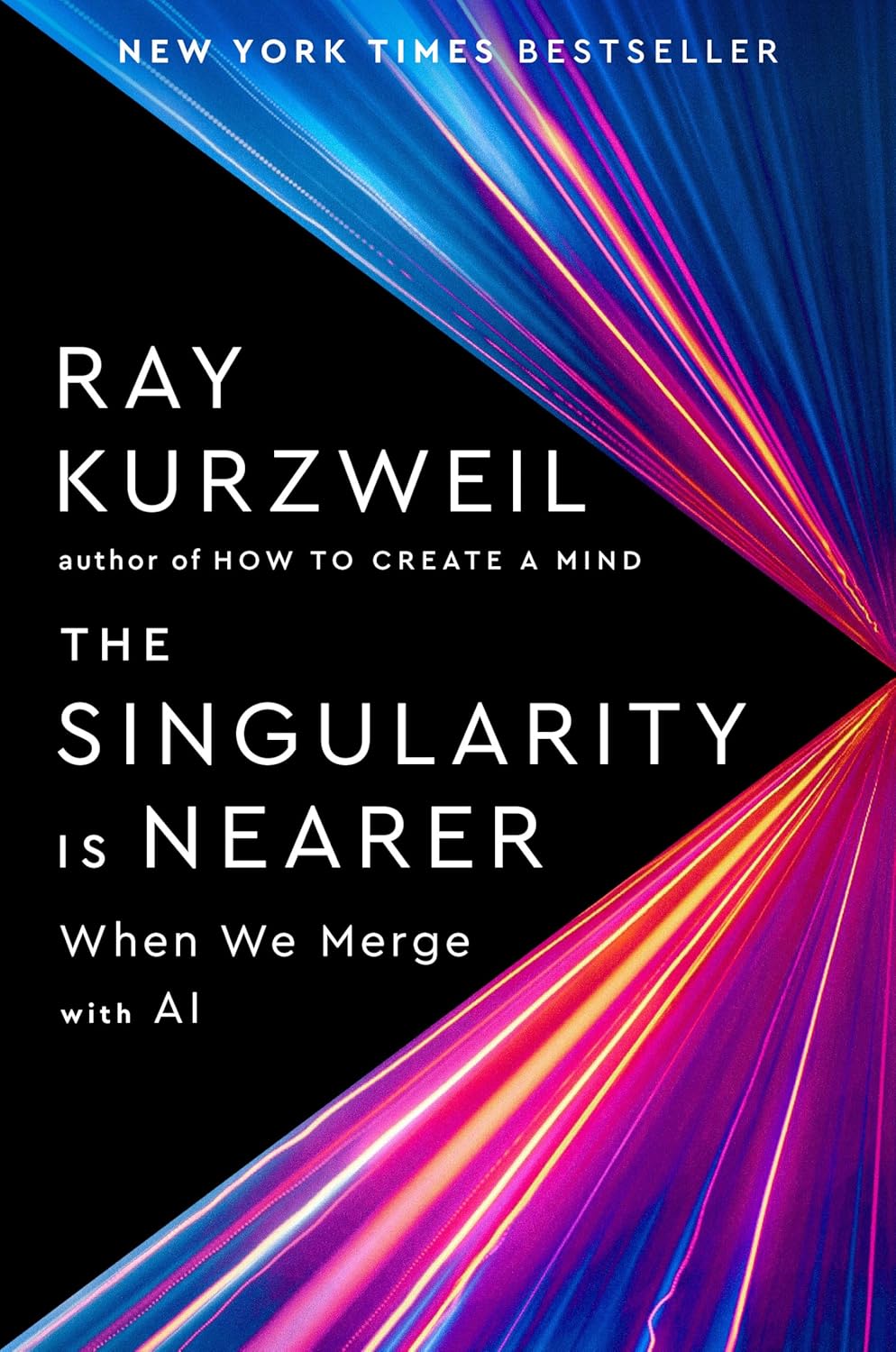
Twenty years after "The Singularity Is Near", Kurzweil revisits his predictions and keeps the date: human-AI merger around 2045.
As an Amazon Associate, Zendoric earns from qualifying purchases; the price does not change for you. · all our recommended books →
🔗 Related on Zendoric
- GPT-6 launches claiming a 10% edge over Fable 5.1 — the number that matters is which benchmark · 2026-09-09
- An Unverified Tweet Is Moving AI Market Odds—Treat Anthropic's 'Next Week' Model as Rumour · 2026-07-13
- An OpenAI model finds a zero-day and compromises Hugging Face infrastructure in a test with fewer safeguards · 2026-07-23