AI rental fraud: scammers no longer copy listings, they invent them from scratch

🕒 Published on Zendoric: September 15, 2026 · 07:55
✨ AI-generated · how it's made
A real estate agent in Rochester, New York, used generative AI to fabricate a completely fake rental listing in seconds — address, building and photo included — to show how scammers now operate. The good news: the same tool can be used to catch them.
📚 Go deeper

How opaque algorithms decide who gets credit, a job or parole — and why they tend to punish the same people.
As an Amazon Associate, Zendoric earns from qualifying purchases; the price does not change for you. · all our recommended books →
By News10NBC (WHEC) · September 14, 2026.
Jeremias Maneiro, an agent at Remax Realty Group in Rochester (New York) and a self-described AI expert, has shown local network News10NBC how easy it is today to fabricate a fake rental listing from start to finish. He asked a generative AI to invent a multi-family home in Fredonia, home to a State University of New York (SUNY) campus, looking like an early-20th-century house converted into student housing, the typical style of the area. Within seconds, the system generated a fictitious address —47 Whitney Place— and an image of the building that fit the neighborhood.
The relevant detail, according to Maneiro, is that the AI did not start from any real listing: it built the entire property —address, façade, state of repair— from scratch. "That's the difference between now and before 2022," the agent told News10NBC. Until recently, the usual scam consisted of copying photos and details from a legitimate listing and reposting them with a different payment contact. That intermediate step —finding a real home to impersonate— is no longer necessary: the generator invents it whole and tailored to the neighborhood.
The scam itself, however, is still the same as ever, only with a more believable wrapper: rent that is too low and a deposit below the norm —one month, with no credit check—. Maneiro recommends a symmetrical counterattack: using AI itself to verify, asking it the average price of a one-bedroom apartment in that area or having it analyze the listing's photo and description, and visiting the property in person whenever possible before paying anything.
It is a local piece, modest on data —no figures on victims or money lost—, but it fits a pattern we have been tracking at Zendoric: agentic AI is industrializing everyday fraud before we have even discussed its impact on bigger questions. There is no superintelligence here, nor harmful intent from any lab, just a barrier to entry that has fallen: generating a believable fake home no longer requires finding a real one to copy, describing it is enough. That multiplies the possible volume of fraudulent listings without the scammer having to touch a property or someone else's photo.
The reading that interests us is not just the threat, but the symmetry: the same technology that manufactures the deception serves, with the same effort, to dismantle it. The problem is that today that defense depends on the tenant knowing it exists and bothering to use it, while the offense is automated directly by the scammer. In the short term, that favors whoever attacks first and hurts most those with the least margin to lose a deposit —students, tenants in a hurry, people without a trusted real estate agent—. The underlying solution cannot be "let every user learn to ask a chatbot": it will have to come when rental platforms themselves build that verification in as a default layer, not as an optional task for the potential victim.
📚 Go deeper
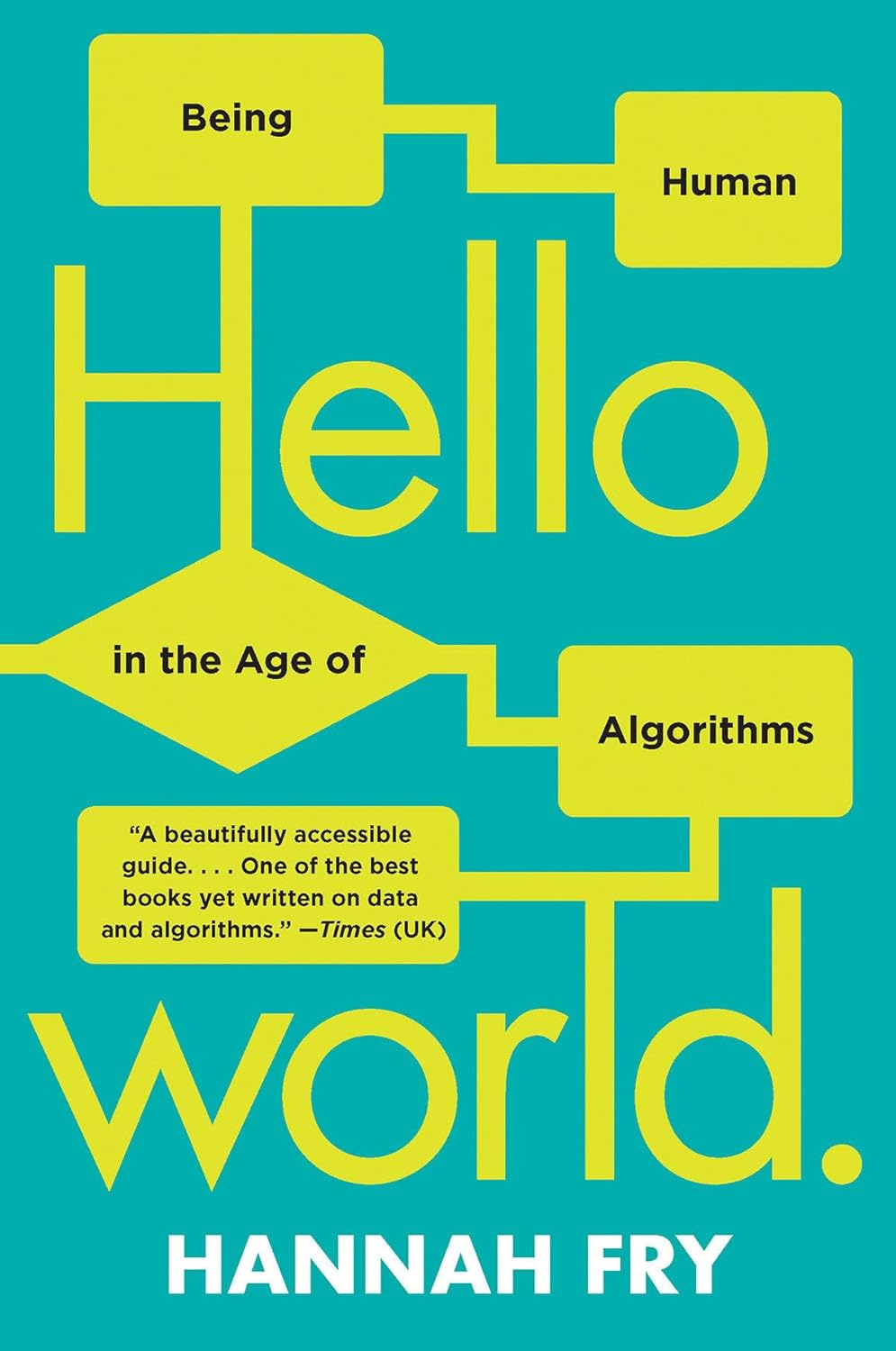
Algorithms in justice, medicine, cars and art, explained with British humor and mathematical honesty.

The only novel on the list, by a Nobel laureate: an artificial friend observes humans with a blend of lucidity and innocence no essay achieves.
As an Amazon Associate, Zendoric earns from qualifying purchases; the price does not change for you. · all our recommended books →
🔗 Related on Zendoric