Developer open-sources an MCP bridge between AI and Playwright to automate web testing

🕒 Published on Zendoric: September 13, 2026 · 07:12
✨ AI-generated · how it's made
A programmer has open-sourced, under an Apache 2.0 license, a system that connects AI agents to Playwright via MCP — the protocol that standardizes the use of external tools — to write and manage browser automations. The announcement barely registered on Hacker News: one vote, zero comments.
📚 Go deeper

The reference manual for building products on top of AI models: prompts, RAG, fine-tuning, agents, evaluation and deployment.
As an Amazon Associate, Zendoric earns from qualifying purchases; the price does not change for you. · all our recommended books →
By Zendoric · September 13, 2026.
A developer has posted on Hacker News, in the Show HN section devoted to personal projects, an open-source system —Apache 2.0 license— that connects artificial intelligence agents with Playwright, the framework used above all to automate web application testing, via MCP (Model Context Protocol). As the author himself describes it, the tool adds notifications, task scheduling, "hooks" that run before or after each automation, identity and access management (IAM), cookie support and JSON data submission, plus a Chrome extension that, he explains, agents can "read" to generate the automation directly instead of having the user describe it in writing. The author says he comes from an earlier project called Sorify.
For context, MCP is the open protocol Anthropic introduced in late 2024 so that any AI model can invoke external tools —a browser, a database, a calendar— through a common interface, rather than coding each integration from scratch. Since then, the number of MCP connectors published on GitHub for almost any conceivable task has multiplied. This is one of many: as this piece went out, it had one vote and zero comments on Hacker News, a sign that, for now, it has not stood out from the pack.
What matters is not this particular project, but what it illustrates. Models were already generating Playwright code reasonably well before MCP; what changes is that an agent can now write, schedule and maintain the automation without anyone copying and pasting anything. In software quality assurance, that is precisely the most mechanical layer of the work —drafting the test script, adjusting it when the interface changes, reviewing why it failed overnight— and it fits what we have been observing sector by sector: AI first absorbs the routine and well-specified, leaving the engineer the judgment of what is worth testing and why.
There is one nuance worth mentioning, without it being an accusation: giving an agent access to session cookies and IAM credentials means delegating to it the ability to act on already-authenticated systems, not merely to read them. In internal, controlled testing the risk is acceptable; the pattern —agents with broad permissions and little oversight— is the same one we have flagged as the real, near-term risk of agentic AI, more than any distant superintelligence scenario. The figure that really matters here is not the single vote this launch received, but how many equivalent MCP connectors appear every week: that quiet accumulation, not an isolated announcement, is what is redrawing which routine technical work passes to the agent and which stays with the engineer.
📚 Go deeper

DeepMind co-founder on the dilemma of containing technologies that do not want to be contained.
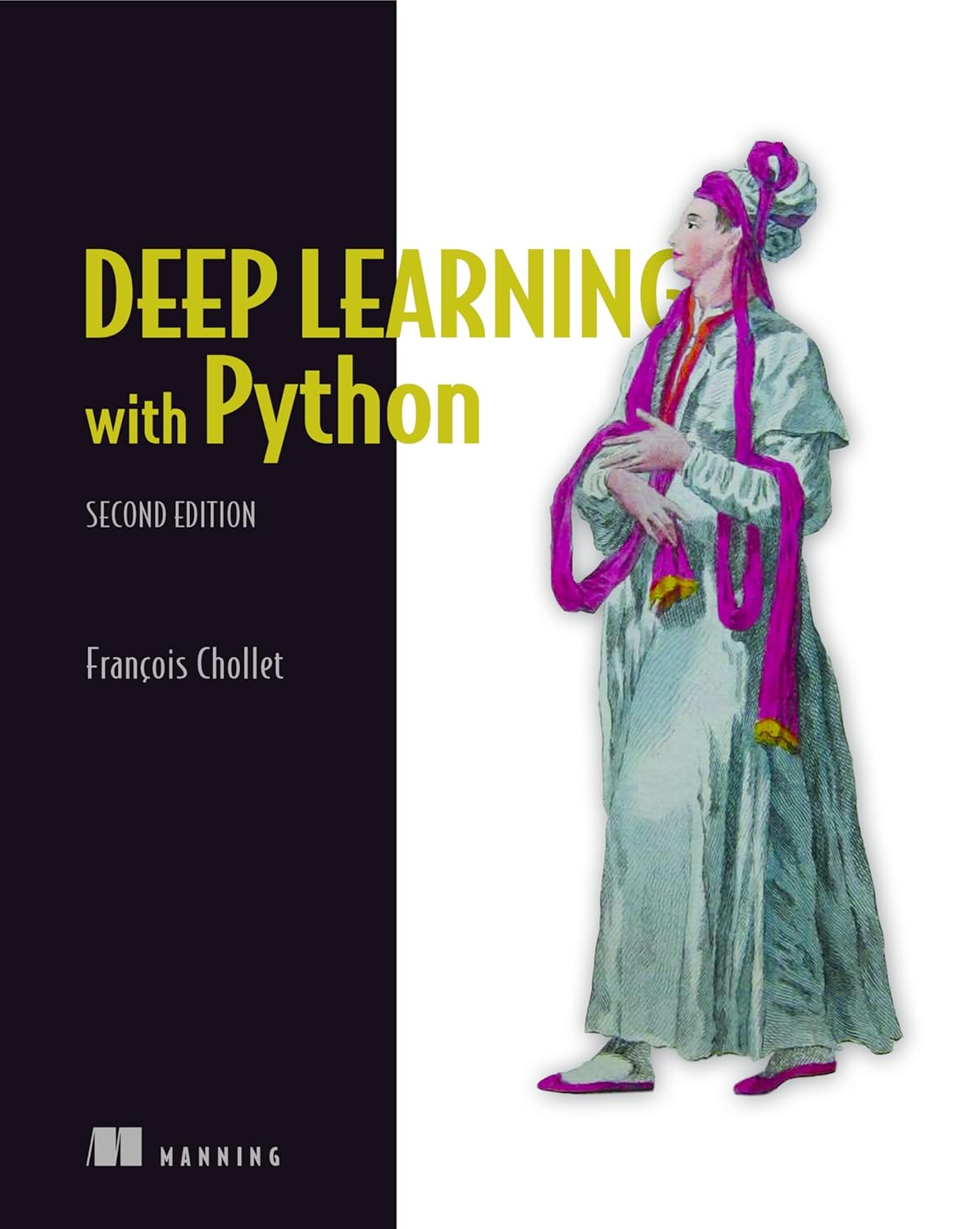
The creator of Keras teaching from scratch, with working code and zero pedantry.
As an Amazon Associate, Zendoric earns from qualifying purchases; the price does not change for you. · all our recommended books →
🔗 Related on Zendoric
- MaskShift: a local, NPM-free coding agent that is 'permissive by default', barely noticed on Hacker News · 2026-09-07
- Google open-sources ML Drift, a GPU engine for edge AI that unifies OpenCL, Metal, WebGPU and OpenGL ES · 2026-10-11
- OpenAI buries its Atlas browser in under a year: agentic AI moves to work, not to Google · 2026-07-10