When AI literacy reaches a town of 3,400 people via Erasmus+
🕒 Published on Zendoric: September 4, 2026 · 09:12
✨ AI-generated · how it's made
Eight young people from Biar (Alicante) spent the summer in Poland training in digital rights, artificial intelligence and sustainability under two Erasmus+ programs. It is a small story, but it captures something that rarely makes headlines: how AI is reaching European non-formal education, far from the frontier labs.
📚 Go deeper
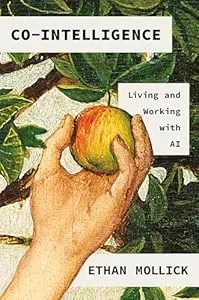
The best starting book if you're not technical: a Wharton professor explains how to work WITH AI — when to delegate, when to supervise, when to keep i
As an Amazon Associate, Zendoric earns from qualifying purchases; the price does not change for you. · all our recommended books →
By Zendoric · September 4, 2026.
Eight young people from Biar, a municipality in inland Alicante, took part in July and August in two Erasmus+ projects held in Międzybrodzie Bialskie (Poland). Six of them took part from July 28 to August 4 in the youth exchange "DECODED: Digital Advocacy for Youth Rights", organized by Cluster of Social Innovations together with young people from three other European Union countries. The other two attended, from July 14 to 20, the training course "REBOOT: AI & Eco-Tools Reshaping Youth Work", run by the New Europe Foundation with participants from six countries.
According to the program's own account, DECODED focused on how digital tools can defend young people's rights and broaden democratic participation: social media campaigns, online petitions, podcasts, data visualization and a Youth Council simulation, as well as the collective drafting of a European Youth Manifesto. REBOOT, by contrast, did address artificial intelligence head-on: the two young people from Biar worked in hands-on labs on using AI to plan activities, evaluate projects and create content, along with tools to calculate carbon footprints and apply gamification to environmental education.
It is worth being precise about what this story is and what it is not. There is no model launch here, no investment figure, no technical capability data: it is a youth mobility program funded with European money, replicated every summer in dozens of municipalities across the continent, and the source does not specify which AI tools were used or how the learning was measured. It would be a mistake to treat it as a milestone. But it would be just as wrong to ignore it, because it is exactly the kind of minor fact that rarely appears in AI coverage and that, added to hundreds of similar cases, sketches something real: AI literacy no longer depends solely on OpenAI, Anthropic or Google. It is also taking shape, on a small scale, in European youth cooperation programs that bring these tools to social workers, educators and teenagers in small towns.
That is precisely the layer of the transformation that gets the least coverage and matters most in the long run. At Zendoric we usually talk about the frontier —the models competing for technical leadership— and the geopolitics being played out around them. But the abundance we defend as AI's horizon only materializes if the ability to use it with judgment spreads beyond big companies and tech capitals. An Erasmus+ program that teaches a youth worker from a town in Alicante to use AI to plan activities or measure a project's environmental impact is, in miniature, the kind of diffusion of practical knowledge that decides whether the next decade of AI narrows inequalities or deepens them.
As sector context, this type of initiative coexists with a tension that should not be downplayed: training delivered through mobility programs tends to be one-off and introductory, not deep or sustained over time. Eight young people from a small municipality getting their hands on these tools for a week in Poland is no substitute for an education or labor policy that integrates AI structurally. It is a first contact, useful but limited, and the anecdote should not be confused with the trend. Even so, multiplied by the hundreds of Erasmus+ exchanges held every summer across Europe, this kind of early contact with applied AI —rather than with the abstract debate about it— is a small but real piece of the ground on which the broad adoption is built that makes it possible, in the long run, for these tools to work for everyone and not just for those who already had access to them.
📚 Go deeper
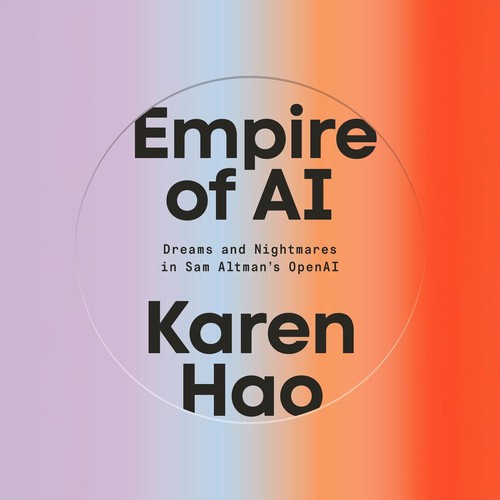
The definitive piece of investigative journalism on OpenAI: 260+ interviews, the clash between safety and speed, and the attempted firing of Sam Altma
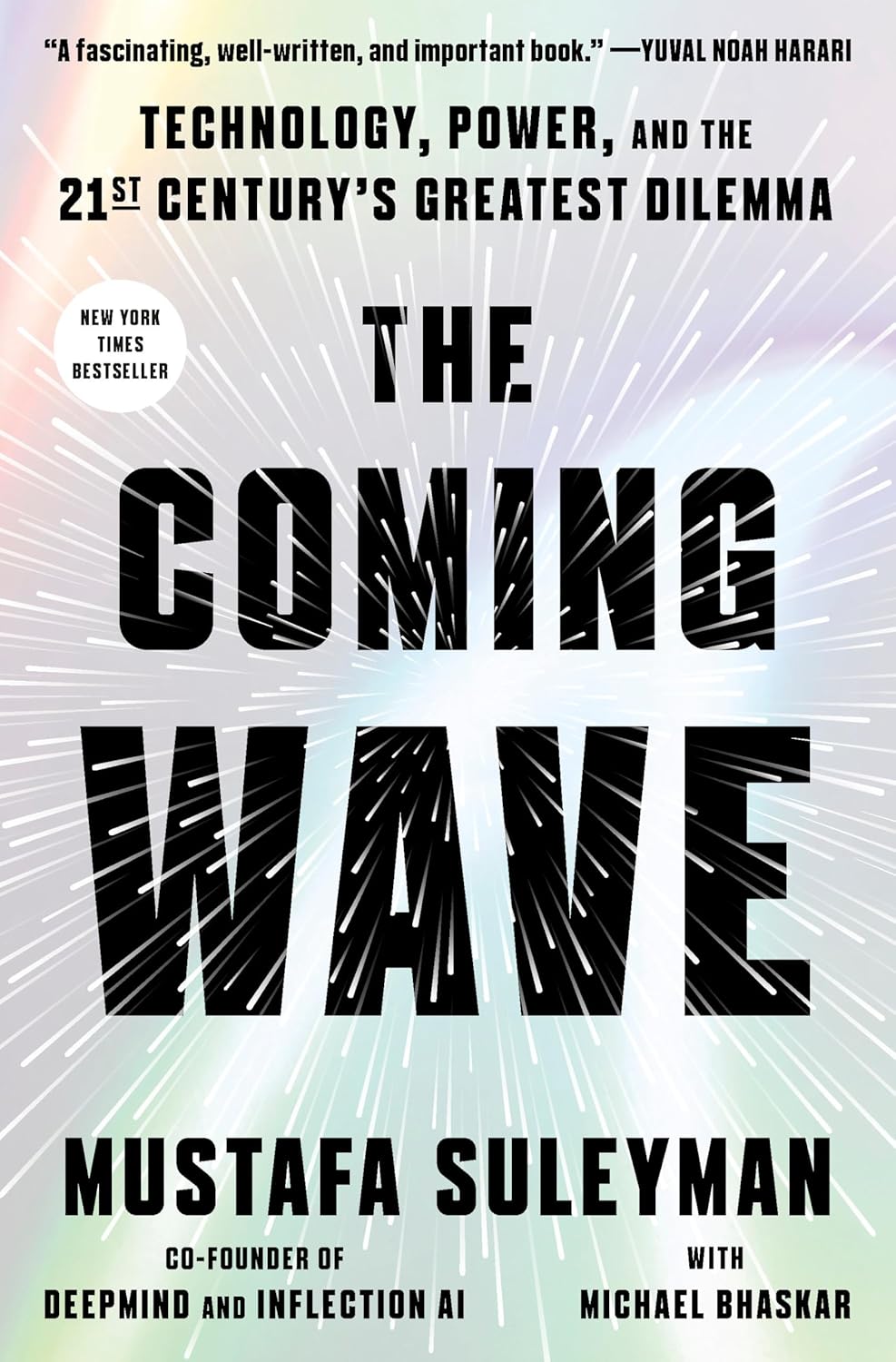
DeepMind co-founder on the dilemma of containing technologies that do not want to be contained.
As an Amazon Associate, Zendoric earns from qualifying purchases; the price does not change for you. · all our recommended books →
🔗 Related on Zendoric
- Hartford bets on teaching AI to its young people before the job market leaves them behind · 2026-07-01
- Bristol students showcase AI and aerospace projects: the next generation is already touching the future · 2026-06-30
- A university trophy and the underlying question: where will the talent to govern AI come from? · 2026-07-03