US presses G20 to let AI train on creators' works under 'fair use'

🕒 Published on Zendoric: September 4, 2026 · 09:12
✨ AI-generated · how it's made
On September 2, the United States urged G20 countries to develop rules allowing artificial intelligence companies to train their systems on copyrighted material, at a time when big US tech firms face a growing wave of lawsuits over this…
📚 Go deeper
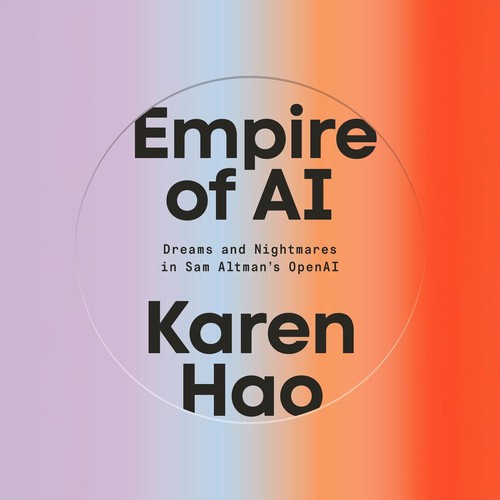
The definitive piece of investigative journalism on OpenAI: 260+ interviews, the clash between safety and speed, and the attempted firing of Sam Altma
As an Amazon Associate, Zendoric earns from qualifying purchases; the price does not change for you. · all our recommended books →
On September 2, the United States urged G20 countries to develop rules allowing artificial intelligence companies to train their systems on copyrighted material, at a time when major U.S. tech firms face a growing wave of lawsuits over the practice. The call came during a G20 ministerial meeting focused on technology, held in Chapel Hill, North Carolina.
U.S. Commerce Secretary Howard Lutnick asked G20 officials to adopt the principle of 'fair use', which permits the unauthorized use of copyrighted works under certain circumstances, while seeking a way to 'protect artists'. Lutnick argued for frameworks that shield creators and inventors without raising barriers that hold back the 'next generation of innovators', though he offered no concrete details on how to strike that balance or on who would determine what constitutes fair use, and how.
Behind the request lies the set of lawsuits that authors, publishers, media outlets and other creators have filed in the U.S. against companies such as Anthropic, OpenAI, Google and Meta, accusing them of using their work without permission to develop AI products. Those companies maintain that using such material to build their tools is legal. In parallel with the G20 meeting, the U.S. Department of Justice filed a brief the same Wednesday supporting OpenAI in its dispute with The New York Times and other newspapers over the use of their content to train the language models behind ChatGPT, arguing that AI training generally constitutes fair use of copyrighted material.
Nvidia CEO Jensen Huang spoke alongside Lutnick ahead of the latter's address and urged G20 officials to avoid drafting AI regulations centered on 'theoretical harms', calling instead for rules that tackle real problems tied to the technology. His message echoed that of the Trump Administration and of other U.S. tech executives who addressed the same meeting the previous day.
According to a joint statement released Wednesday afternoon, G20 nations will seek to avoid drafting new AI-specific regulations. Under that text, any future rules should be limited to addressing 'novel considerations' raised by AI that are not already covered by existing legislation. The underlying rationale is that government requirements could hurt the industry's profitability if they slow the release of new models or force companies to change how their products work for safety reasons.
Notably, China, which has already implemented a broad set of AI regulations, was among the signatories of that joint statement, even though its domestic regulatory approach contrasts with the minimal-intervention stance promoted by Washington and the big U.S. tech firms. In addition to Lutnick and Huang, Wednesday's session also featured Anthropic co-founder Tom Brown, Palantir CEO Alex Karp and OpenAI CEO Sam Altman.
The episode illustrates the strategy of the industry and the U.S. Administration to take to the international stage a debate that in the U.S. is being settled mainly in the courts: whether training AI models on copyrighted works can be covered by fair use. By seeking G20 backing for that framework while also discouraging new AI-specific regulations, Washington is trying to shield its leading companies in the sector from stricter legal requirements in other jurisdictions, even as creators' lawsuits against Anthropic, OpenAI, Google and Meta proceed at home.
📚 Go deeper
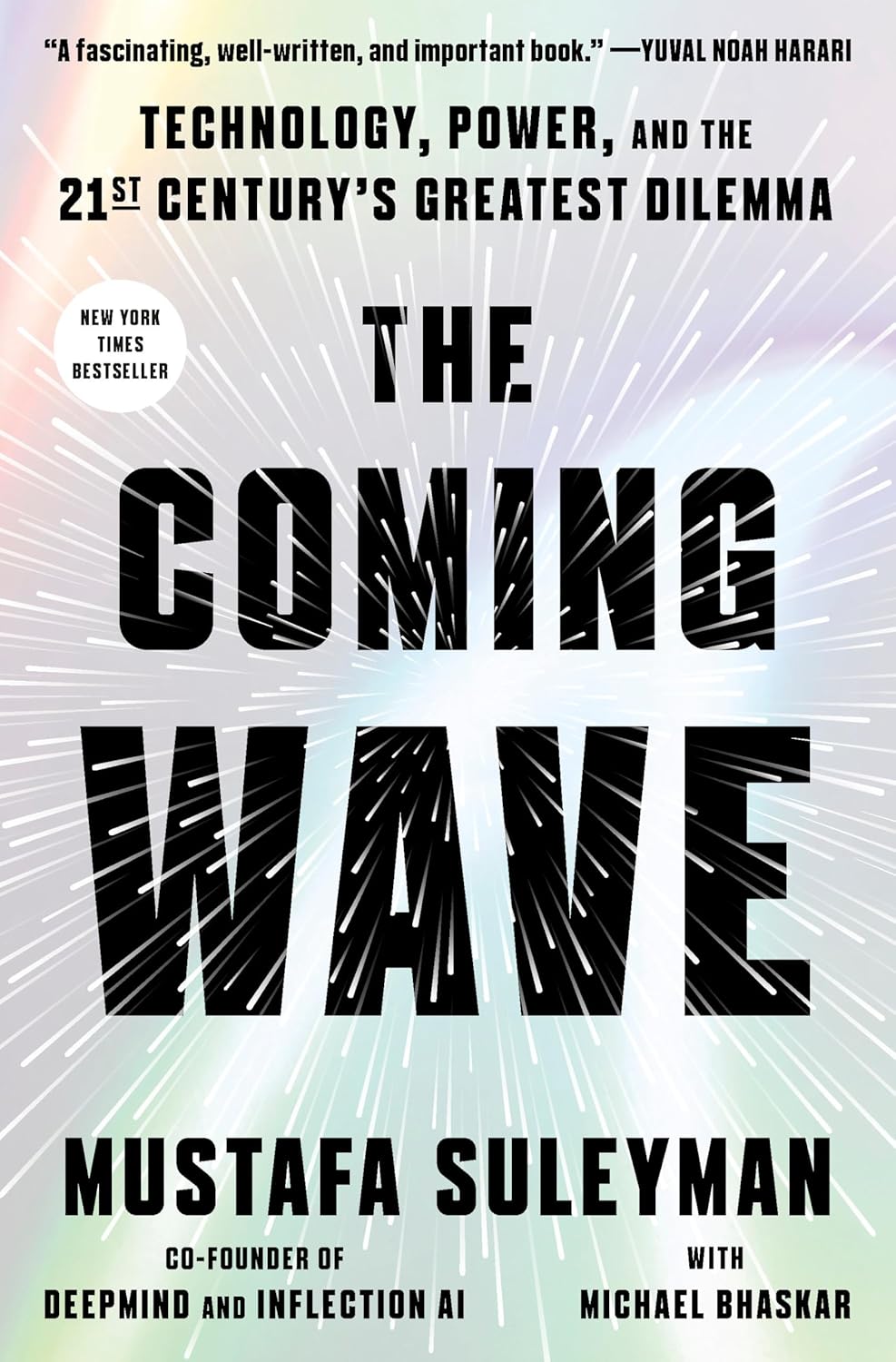
DeepMind co-founder on the dilemma of containing technologies that do not want to be contained.
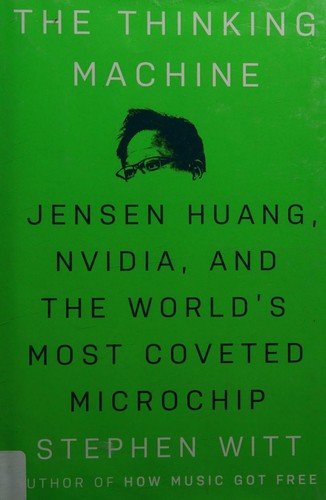
The story of NVIDIA and Jensen Huang: how a video-game card company ended up making the most coveted resource on the planet.
As an Amazon Associate, Zendoric earns from qualifying purchases; the price does not change for you. · all our recommended books →
🔗 Related on Zendoric