A homemade proxy for mixing models in t3's Codex and Claude tabs, a symptom of LLM commoditization

🕒 Published on Zendoric: September 3, 2026 · 10:20
✨ AI-generated · how it's made
A developer has released proxy-llms, an open-source tool that slots any model — GPT, GLM, Kimi K3 — into the Codex and Claude tabs of the t3 client, without touching its configuration. It's a small project, but it captures where the market is heading: the interface matters more than the model behind it.
📚 Go deeper
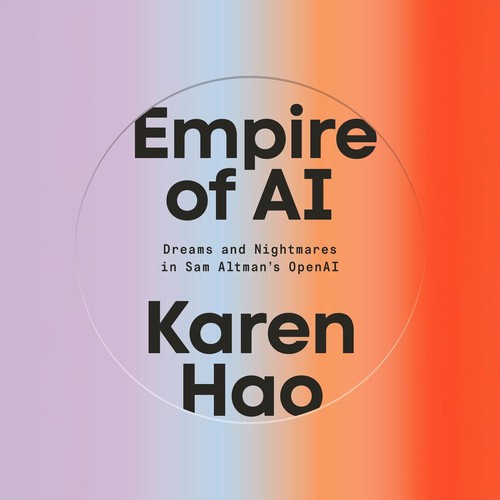
The definitive piece of investigative journalism on OpenAI: 260+ interviews, the clash between safety and speed, and the attempted firing of Sam Altma
As an Amazon Associate, Zendoric earns from qualifying purchases; the price does not change for you. · all our recommended books →
By Zendoric · September 3, 2026.
A developer who goes by 0xhsn has published proxy-llms on GitHub, a tool that allows any language model to be run inside the "Codex" and "Claude" tabs of the t3 client, regardless of who makes it. The centerpiece is a local gateway —CLIProxyAPI— that runs on the user's machine (127.0.0.1:8317) and can speak the API formats of OpenAI, the Responses API and Anthropic all at once, routing each request according to the identifier of the requested model.
In practice, as the repository itself describes, this makes it possible to put a GPT model in the tab t3 reserves for Claude, or to run GLM (from China's Zhipu) or Kimi K3 (Moonshot AI) in the tab designed for Codex, OpenAI's programming assistant. The installation script reuses existing Codex and Claude credentials as gateway credentials and does not modify t3's database, so disabling the proxy leaves the original configuration intact. The project is tiny —zero stars, zero forks, no comments in the Hacker News thread— and should be treated as what it is: a niche utility for developers, not a launch with traction.
Its interest lies not in its impact, but in what it signals. There are more and more tools of this kind —thin layers that decouple the AI-assisted programming interface from the provider of the model serving it—, and that only makes sense if the market already treats models as interchangeable parts. When it is worth a user's while to set up a homemade proxy to slot a Chinese open-source model into the tab of a paid Western product, they are voting with their feet: the model has stopped being the differentiator and price, latency or simply the freedom not to depend on a single provider has taken its place.
This fits with something we have been pointing out at Zendoric: competition is shifting from "who has the smartest model" to "who controls the plumbing" —orchestration, agent standards, the layer that connects model and user—. The major labs know it, which is why Anthropic, OpenAI and Google are investing so heavily in integrating their models into closed workflows and in making precisely this kind of interchangeability harder. That individual users are building their own bridges to get around that friction is a signal, modest but real, of where the market pulls when it is allowed to choose: toward the commoditization of the model and competition over everything around it.
Our take is that tools of this kind, even if they never scale on their own, normalize an expectation that does matter in the long run: that the choice of model belongs to the user and not to the maker of the interface. It is an expectation aligned with the abundance scenario we champion —more options, more competition, falling costs—, even if in the short term it clashes with platforms' interest in keeping their users inside a single ecosystem.
📚 Go deeper

The reference manual for building products on top of AI models: prompts, RAG, fine-tuning, agents, evaluation and deployment.
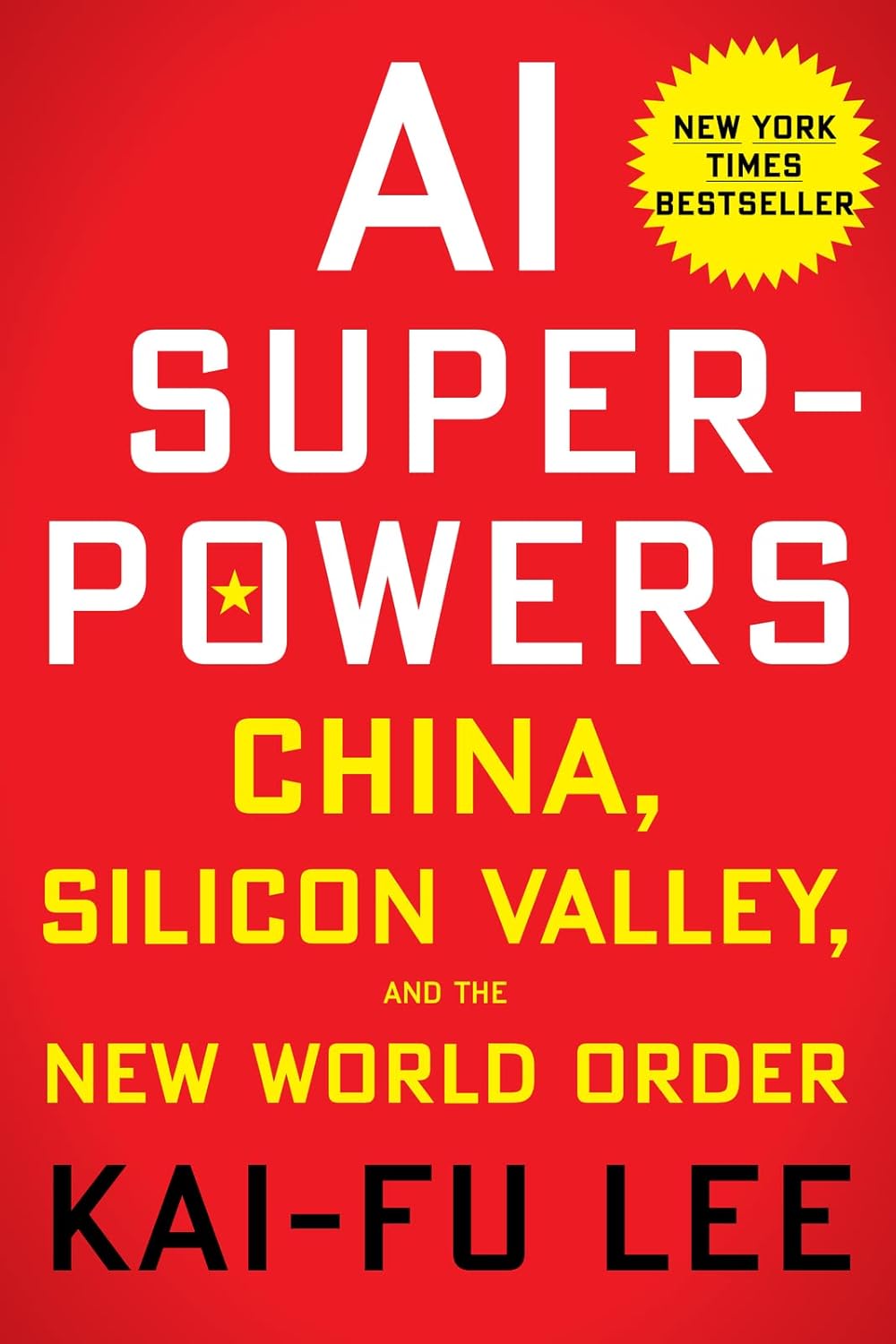
China vs.
As an Amazon Associate, Zendoric earns from qualifying purchases; the price does not change for you. · all our recommended books →
🔗 Related on Zendoric
- Anthropic discovers 'J-space': a hidden global workspace where Claude thinks without saying it · 2026-07-08
- GLM-5.2 matches Mythos in cybersecurity: China closes the gap on AI's most sensitive front · 2026-06-29
- Qubitz and the local-agent fever: when data sovereignty outweighs raw intelligence · 2026-07-03