Citrix acquires Numecent to modernize Windows application delivery at scale
🕒 Published on Zendoric: September 3, 2026 · 10:20
✨ AI-generated · how it's made
Citrix has completed the acquisition of Numecent, the company behind Cloudpaging, a patented technology that packages, delivers and manages Windows applications in a radically different way from how it is done today in most enterprise environments.
📚 Go deeper
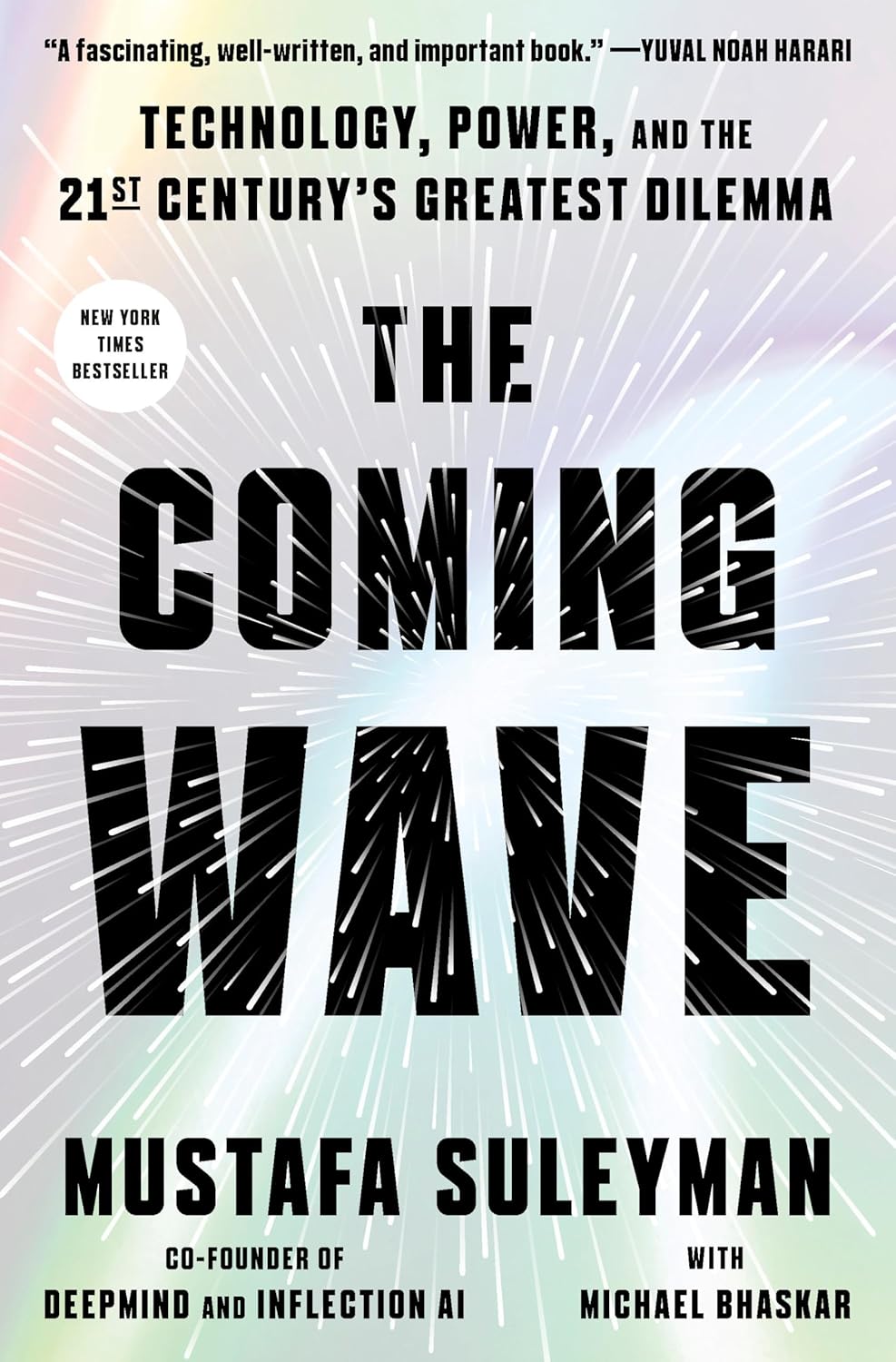
DeepMind co-founder on the dilemma of containing technologies that do not want to be contained.
As an Amazon Associate, Zendoric earns from qualifying purchases; the price does not change for you. · all our recommended books →
Citrix has completed its acquisition of Numecent, the company behind Cloudpaging, a patented technology that packages, distributes and manages Windows applications in a radically different way from how it is done today in most enterprise environments. The announcement, published on Citrix's corporate blog in early September 2026 and signed by Sridhar Mullapudi, the company's co-president, starts from a very specific diagnosis of IT's usual headaches: golden images that take weeks to update, application conflicts that only surface in production, and ransomware incidents whose recovery forces a complete rebuild of the environment from scratch.
Numecent's technical proposition revolves around two complementary pieces. Cloudpaging is the packaging and virtualization layer: it takes any Windows application and turns it into an isolated, self-contained container that is streamed to the endpoint on demand over standard HTTPS. That container does not touch the operating system's base image, does not create installation conflicts and does not require repackaging when the OS version or the deployment model changes. According to the article, the same container can run unmodified on a physical laptop or inside a virtual session: for the user, the application behaves as if it were natively installed; for the IT team, it remains controlled from the cloud, with the ability to deploy it to thousands of desktops within minutes and revoke it just as quickly, without rebuilding any image.
The second piece, Cloudpager, is the orchestration and management layer: it assigns applications to users and devices, pushes updates, allows a faulty version to be rolled back, reclaims licenses and measures usage across all managed Windows endpoints. In the formula used by the announcement itself, "Cloudpaging makes the application portable; Cloudpager makes it manageable."
Strategically, Citrix justifies the purchase by its direct fit with its customer base, which operates some of the most complex physical and virtual Windows environments on the market in sectors such as healthcare, financial services, public administration and manufacturing, where the cost of a failure is especially high: an application conflict in a hospital can slow clinical workflows, and a ransomware incident at a financial institution can trigger regulatory consequences. The article notes that Cloudpager already integrated with Citrix DaaS before the acquisition, making it possible to publish and manage Cloudpaging containers through Citrix workflows customers already know. With the purchase, Citrix says it can extend that unified approach not only to Citrix DaaS and physical devices, but also to third-party platforms such as Azure Virtual Desktop, Windows 365 and Amazon WorkSpaces, something the company describes as an ability to unify Windows application management that, in its own words, "no one else in the market" offers in this way.
For customers, the announcement lists four concrete benefits. First, simpler images: by decoupling applications from the base image, the number of images to maintain is reduced, updates are speeded up and risk is lowered. Second, faster recovery from incidents: after a ransomware attack or an infrastructure failure, it would be possible to stand up a clean environment and repopulate it with applications from the cloud, drastically shortening the time to return to operation compared with processes that today can take weeks or months. Third, less friction with legacy applications: by isolating each application from the operating system and from other applications, containerization would make it easier for legacy and modern software to coexist with fewer conflicts, something Citrix presents as a differentiator against other solutions on the market. And fourth, centralized management: everything would be published and administered through Cloudpager, with no need for an additional console or workflow for IT teams.
It is important to place this move within a broader pattern of Citrix acquisitions aimed at strengthening its platform: the blog post itself links to recent precedents such as the purchase of Unicon and the acquisitions of deviceTRUST and Strong Network, both focused on reinforcing zero trust security posture in hybrid work environments. The Numecent acquisition fits that same logic of adding specialized pieces — endpoint management, access security, and now application packaging and delivery — around Citrix's desktop and application virtualization core.
It is also worth noting the limits of the available information: the announcement does not disclose the financial terms of the deal, nor Numecent's customer, revenue or employee figures, nor a closing date beyond the generic "today" of the text itself. Nor does it detail an integration timetable: Citrix merely says it will share more information about the roadmap and integration plans through its usual customer communications, and that Numecent's current customers will continue to receive support during the transition. Citrix customers wanting more detail are referred to their account teams.
Taken together, this is a product acquisition rather than a speculative move: Citrix is not buying an early-stage startup, but an application packaging technology already partly integrated into its DaaS ecosystem, with which it aims to solve a very tangible operational problem — maintaining Windows images and the fragility of disaster recovery — and, along the way, to extend its relevance beyond its own virtualization environments to third-party platforms such as Azure Virtual Desktop, Windows 365 or Amazon WorkSpaces. For IT teams living today with heavy golden images, application conflicts and slow recoveries after an incident, the promise is clear; delivering on it, as usually happens with this kind of announcement, will depend on how the technical and commercial integration is executed over the coming quarters.
📚 Go deeper
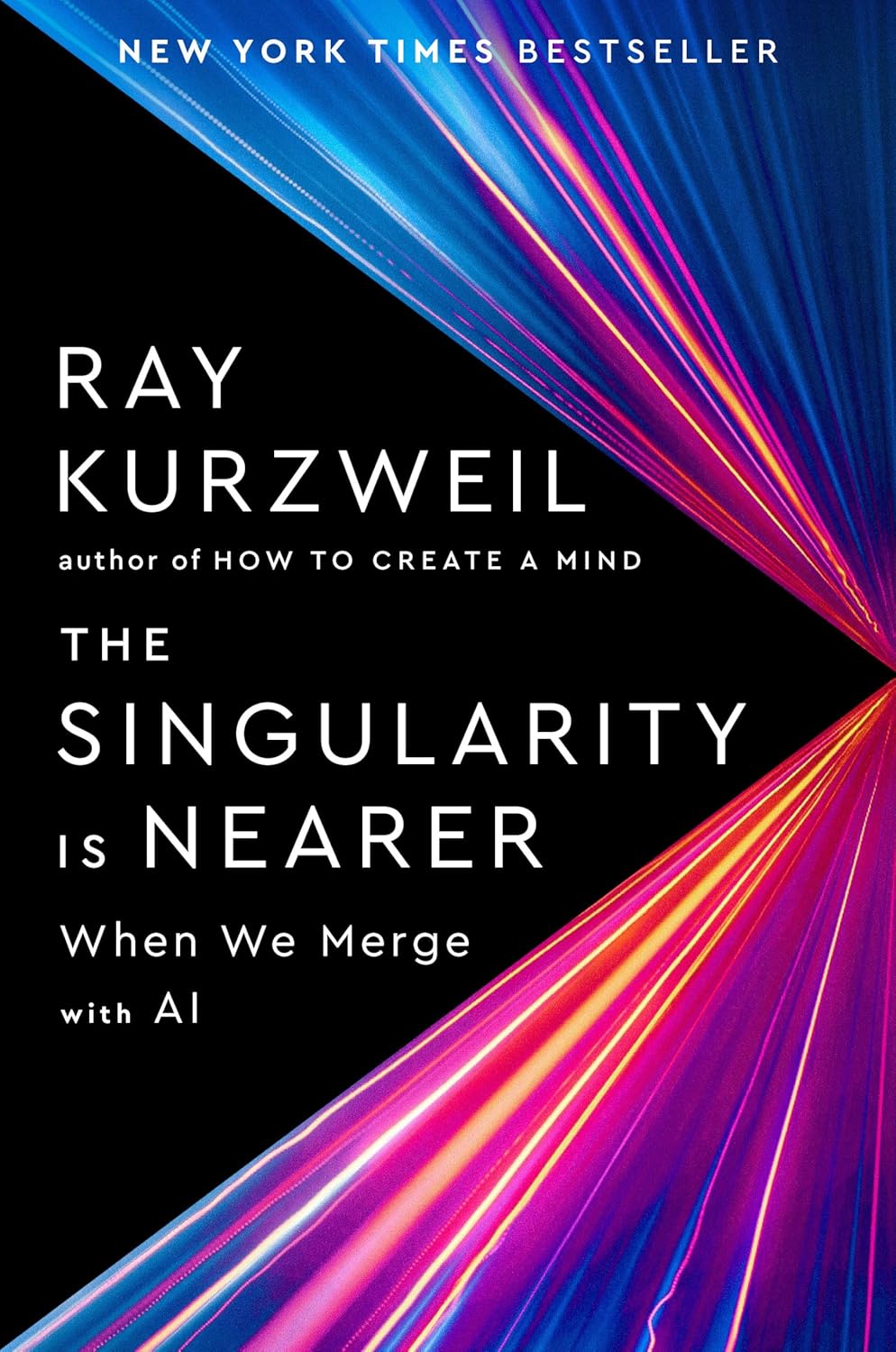
Twenty years after "The Singularity Is Near", Kurzweil revisits his predictions and keeps the date: human-AI merger around 2045.

AI as the latest chapter in the history of information networks, from gossip to the printing press to the algorithm.
As an Amazon Associate, Zendoric earns from qualifying purchases; the price does not change for you. · all our recommended books →
🔗 Related on Zendoric