New York bans generative AI through 8th grade: the largest school district in the U.S. bets on teaching it, not avoiding it

🕒 Published on Zendoric: September 3, 2026 · 10:20
✨ AI-generated · how it's made
New York, the largest school district in the U.S., is banning generative AI through 8th grade for one year and prohibiting companion chatbots at all ages. Mayor Mamdani isn't seeking to reject AI, but to teach it cautiously before handing it to the youngest students.
📚 Go deeper
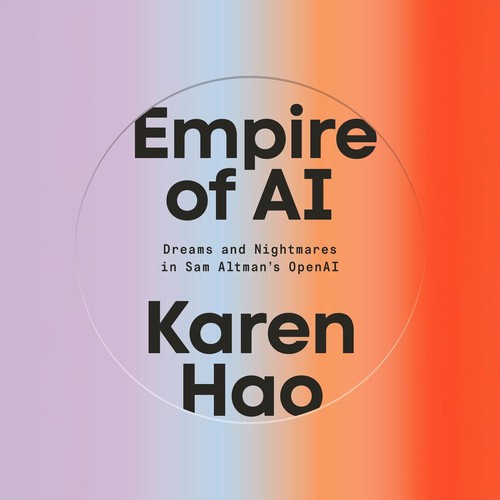
The definitive piece of investigative journalism on OpenAI: 260+ interviews, the clash between safety and speed, and the attempted firing of Sam Altma
As an Amazon Associate, Zendoric earns from qualifying purchases; the price does not change for you. · all our recommended books →
By WORLD News Group · September 3, 2026. New York City Mayor Zohran Mamdani on Wednesday unveiled a one-year moratorium on the use of generative AI by elementary and middle school students, through 8th grade, as part of what he himself described as the most comprehensive AI policy in the country. The measure also bans, for all ages —including high school—, the use of companion chatbots, conversational apps designed to simulate a personal or emotional relationship with the user.
The policy, according to the mayor's office press release cited by WORLD News Group, also sets recommended screen limits: up to 30 minutes a day for students in third through fifth grade and up to 45 minutes for middle schoolers (sixth through eighth grade). There is no ban in high school: schools will introduce AI through critical-thinking modules —two 45-minute sessions a year— focused on explaining what AI is and is not, along with its biases, risks and ethical dilemmas. A small group of students, around 5% of the city's high schoolers, up to 50,000 according to the mayor's office, will take part in five pilot programs tied to specific subjects or skills, always under direct teacher supervision. Mamdani was explicit about one important caveat: the pilots will not use consumer tools such as ChatGPT or Claude.
The design includes a planned exit: a coalition of students, teachers, families and elected officials will assess the impact of the moratorium and the pilots, and publish a report with recommendations for the future. New York runs the largest public school system in the country, so this decision works as a de facto testing ground for the rest of the country's districts, as reflected in how quickly outlets in other states have begun comparing their own policies with New York's.
Our reading is that this is not technophobia but pedagogical sequencing: New York is not saying "no" to AI in the classroom, it is saying "not yet, and not like this." Closing the door to consumer chatbots while opening a controlled crack —critical-thinking modules first, supervised subject-based pilots later, never free access to a conversational AI— amounts, in practice, to institutionalizing the model we already advocate for the education sector: the winner is the teacher who orchestrates AI as a tool, not the one who delegates the learning relationship to it, and even less the nine-year-old who does not yet have the judgment to tell a correct answer from a well-written hallucination.
In the short term, the measure does not solve the underlying problem: children from better-off families will still have generative AI at home, on their parents' phone or on the family computer, while public schools delay it by a year; the ban reduces exposure inside the classroom, but it does not close the gap in unequal access outside it. Nor is there any guarantee that a year-long moratorium will be enough, or that the final report will lead to a permanent, well-funded policy. These are the typical frictions of managing a technological transition with caution rather than with competitive urgency.
But the underlying instinct strikes us as right. AI's long-term promise —individualized learning, more teacher time for what is human, closing historic education gaps— is only fulfilled if we first protect what makes a student capable of using it well: thinking without a crutch, making mistakes without a shortcut, and relating to a human teacher rather than to a chatbot that never admits it does not know something. Teaching students to use AI with caution, instead of simply banning it or turning it loose without a safety net, is the kind of evidence-based governance —temporary, measurable, revisable— that is needed for the next generation to reach the abundance this technology promises without losing along the way the human part that makes it valuable.
📚 Go deeper

AI as the latest chapter in the history of information networks, from gossip to the printing press to the algorithm.
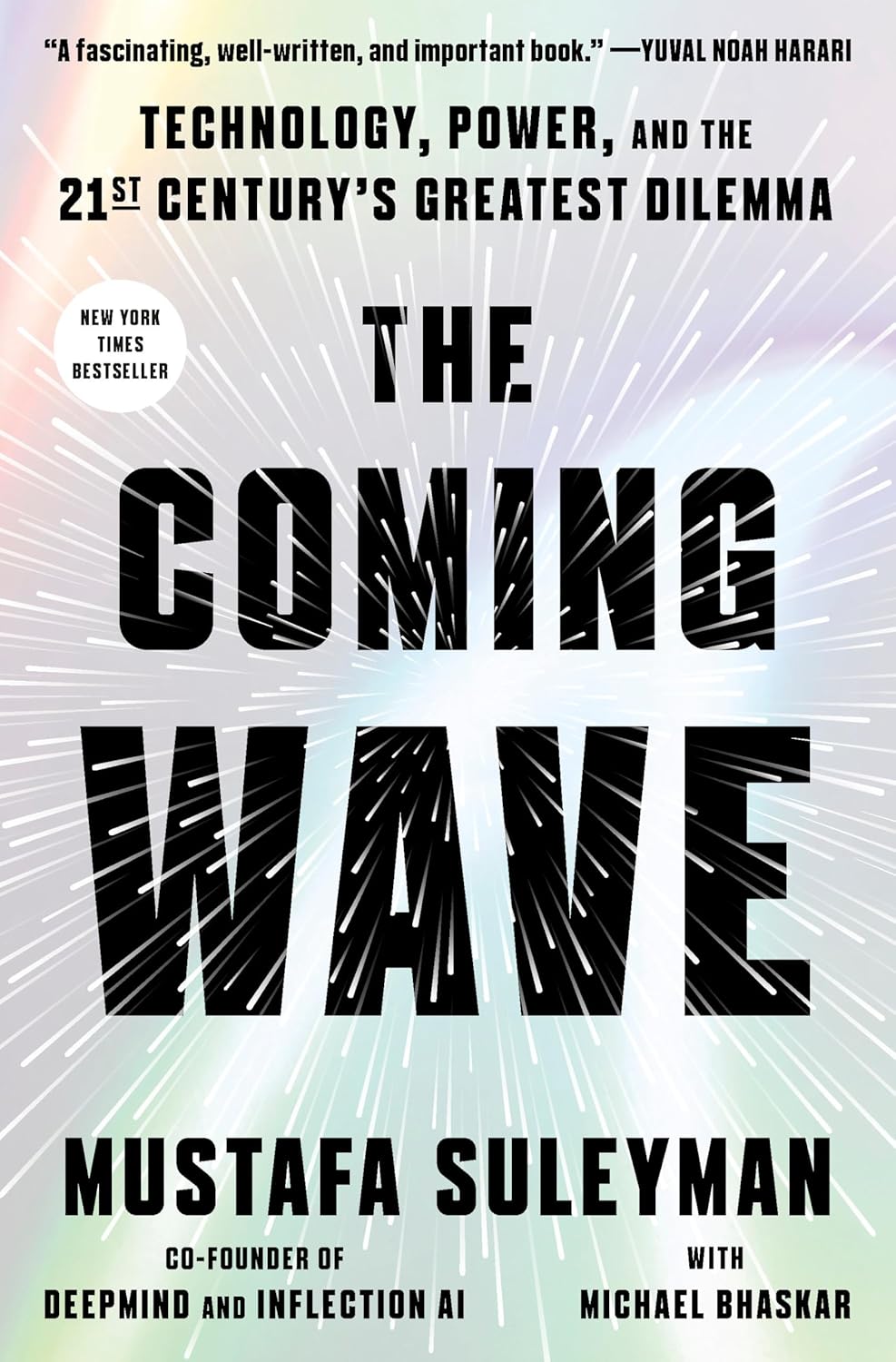
DeepMind co-founder on the dilemma of containing technologies that do not want to be contained.
As an Amazon Associate, Zendoric earns from qualifying purchases; the price does not change for you. · all our recommended books →
🔗 Related on Zendoric
- AI literacy from primary school: why teaching the habit matters more than banning the tool · 2026-07-09
- New York bans generative AI for 600,000 younger students — a pause with a clock, not a verdict · 2026-09-02
- Teaching AI in high school before it's too late: the modest bet of a California school · 2026-07-16